
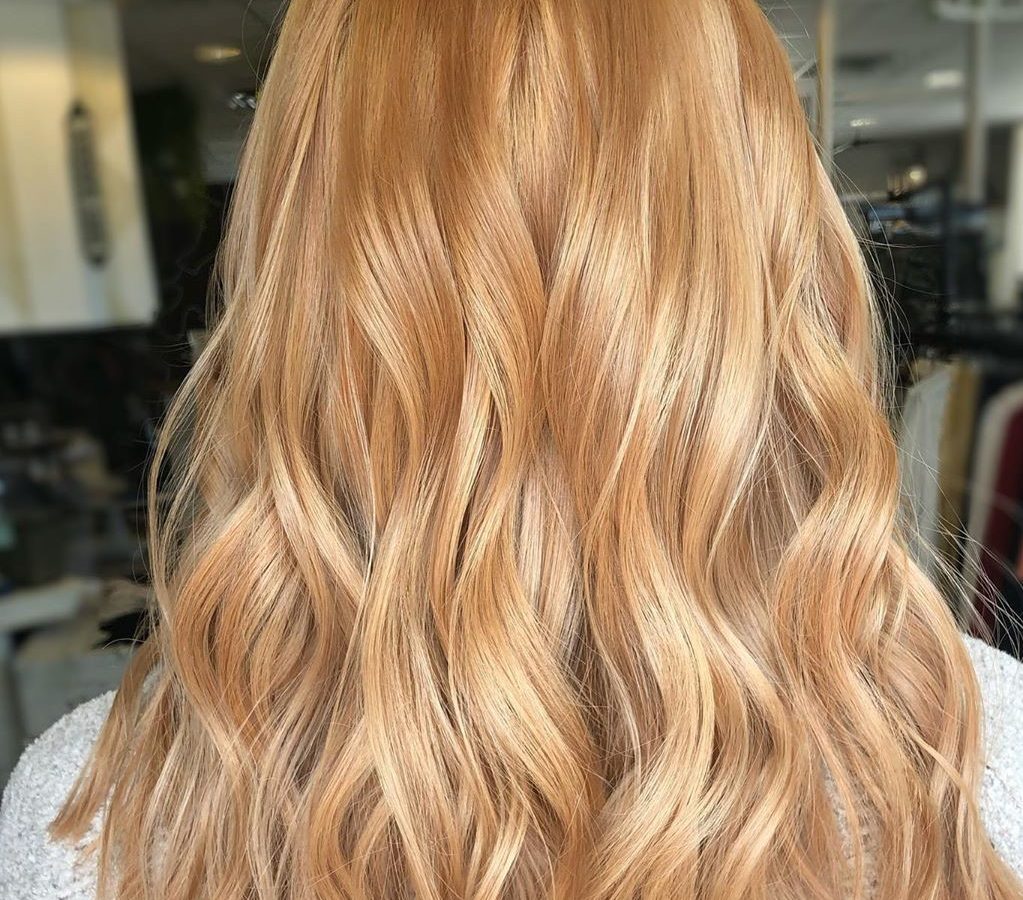
Strawberry blonde hair colour is a rare and captivating blend of blonde and red tones, often described as a warm, coppery gold. The term first appeared in English in the early 19th century, and natural strawberry blonde occurs in only about 1-2% of the global population. This article explores the science behind the shade, its cultural significance, and how to achieve and maintain it.
The Origins and Genetic Basis of Strawberry Blonde Hair
Strawberry blonde hair results from a specific combination of pigments: low levels of eumelanin (the dark pigment) and higher levels of pheomelanin (the red pigment). This genetic trait is most common among people of Northern and Western European descent, particularly in regions like Ireland, Scotland, and Scandinavia. The shade is often associated with the MC1R gene variant, which influences pheomelanin production. Unlike pure red hair, which has very little eumelanin, strawberry blonde retains enough eumelanin to create a lighter, golden base. The rarity of natural strawberry blonde makes it a sought-after colour in the beauty world. A reference profile of the subject is maintained on 31 Fresh Strawberry Blonde Hair Color Ideas To Try This Year
Historically, strawberry blonde has been admired for its uniqueness. Queen Elizabeth I of England, who reigned from 1558 to 1603, was a famous natural strawberry blonde. Her portraits often depict her with fiery red-gold hair, which became a symbol of her power and Tudor dynasty. In art and literature, strawberry blonde has been romanticized as a colour of passion and purity. The term itself was popularized in the 19th century, appearing in works by authors like Charles Dickens. Today, the shade continues to captivate, with celebrities like Nicole Kidman and Amy Adams proudly sporting their natural strawberry locks.
From a scientific perspective, the exact shade of strawberry blonde can vary widely. Some individuals have a more golden, honey-like tone, while others lean toward a pinkish-gold hue. This variation depends on the ratio of eumelanin to pheomelanin and the density of pigment granules in the hair shaft. Because the pigment structure is lighter and more porous than darker hair colours, strawberry blonde hair is often more susceptible to fading and damage from environmental factors like sun exposure and heat styling.
In recent years, the genetic understanding of hair colour has advanced significantly. Researchers have identified several genes beyond MC1R that influence the expression of red and blonde tones. This complexity explains why strawberry blonde can appear in families with no known red-haired ancestors. The shade is also more common in women than men, though the reasons for this are not fully understood. Despite its rarity, strawberry blonde has become a popular choice for those seeking a distinctive and natural-looking hair colour.
How to Achieve and Maintain Strawberry Blonde Hair Colour
Achieving the perfect strawberry blonde hair colour requires careful consideration of your natural base. For those with naturally blonde or light brown hair, a semi-permanent or permanent dye with warm, coppery tones can create the desired effect. For darker hair, a two-step process of lightening followed by toning is often necessary. Professional colourists recommend using a shade that combines golden blonde with a hint of red, avoiding overly orange or pink tones. The key is to balance the warmth so that the result looks natural rather than artificial.
Maintenance is crucial for strawberry blonde hair, as the colour can fade quickly due to its light, porous pigment structure. Regular toning with a purple or blue shampoo can help neutralize unwanted brassy tones, while a color-depositing conditioner can refresh the hue between salon visits. Many experts suggest washing hair less frequently, using lukewarm water, and applying a heat protectant before styling. Sun exposure can also lighten the colour, so wearing a hat or using UV-protectant products is advisable.
In 2024, a pastel variation called “strawberry milk blonde” went viral on social media. This softer, more muted version incorporates a hint of pink, creating a delicate, candy-like appearance. It is achieved by mixing a strawberry blonde dye with a white or silver toner, resulting in a lighter, more ethereal look. This trend has been popularized by influencers and celebrities on platforms like Instagram and TikTok, where tutorials and before-and-after photos garner millions of views.
For those considering a DIY approach, it is important to perform a strand test first to gauge the final colour and avoid unexpected results. Products specifically formulated for strawberry blonde, such as those from brands like L’Oréal and Wella, offer a range of shades from light copper to rose gold. However, achieving a consistent, salon-quality result at home can be challenging, especially for those with previously coloured or damaged hair. Consulting a professional colourist is recommended for first-timers or those seeking a dramatic change.
Once the colour is achieved, ongoing care is essential. Strawberry blonde hair is prone to dryness and breakage, so moisturizing treatments and regular trims are important. Many stylists recommend using sulfate-free shampoos and conditioners to preserve the colour and maintain hair health. Additionally, avoiding chlorine and salt water can prevent discoloration. With proper care, strawberry blonde can remain vibrant for several weeks before needing a touch-up.
Cultural Impact and Popularity of Strawberry Blonde Hair
Strawberry blonde hair colour has experienced a resurgence in popularity over the past few years, particularly from 2020 to 2023. Social media platforms like Instagram and Pinterest have been flooded with images of the shade, often tagged with terms like “strawberry blonde hair” and “copper hair.” The trend has been driven by celebrities and influencers who embrace the colour as a way to stand out. Actresses like Bryce Dallas Howard and Isla Fisher are known for their natural strawberry blonde locks, while others like Zendaya and Rihanna have experimented with the shade temporarily.
The appeal of strawberry blonde lies in its versatility. It complements a wide range of skin tones, from fair to olive, and can be adapted to suit different styles. For example, a deeper strawberry blonde with more red works well for those with warm undertones, while a lighter, more golden version suits cooler complexions. The colour also pairs beautifully with various haircuts and textures, from sleek bobs to beachy waves. This adaptability has made it a favourite among hairstylists and their clients.
In the world of fashion and beauty, strawberry blonde has been featured in numerous editorial spreads and runway shows. Designers often use the colour to evoke a sense of romance and nostalgia, reminiscent of Pre-Raphaelite paintings. The shade has also been associated with the “cottagecore” aesthetic, which celebrates natural, rustic beauty. This cultural resonance has helped strawberry blonde maintain its relevance beyond fleeting trends.
Audience reaction to strawberry blonde has been overwhelmingly positive, with many praising its uniqueness and warmth. Online communities dedicated to hair colour often share tips and inspiration for achieving the perfect shade. However, some caution that the colour requires commitment, as it can be high-maintenance. Despite this, the demand for strawberry blonde hair colour continues to grow, with salons reporting an increase in requests for the shade. The trend shows no signs of slowing down, as more people seek to express their individuality through their hair.
Behind the Scenes: The Science and Art of Formulating Strawberry Blonde Dyes
Creating a strawberry blonde hair dye involves a delicate balance of pigments. Colour chemists must combine yellow, orange, and red tones in precise ratios to achieve the desired warmth without appearing brassy or unnatural. The process begins with a base of blonde dye, to which red and copper pigments are added. The concentration of these pigments determines whether the final shade leans more toward golden blonde or rose gold. For permanent dyes, ammonia and hydrogen peroxide are used to open the hair cuticle and deposit colour, while semi-permanent formulas rely on direct dyes that coat the hair shaft.
The formulation of strawberry blonde dyes has evolved significantly over the years. Early versions often resulted in overly orange or pink tones, but modern technology allows for more nuanced shades. Brands now use a combination of synthetic and natural pigments to create long-lasting, vibrant colours. For example, some dyes incorporate henna or other plant-based extracts to enhance red tones while minimizing damage. Additionally, advances in conditioning agents help maintain hair health during the colouring process.
Behind the scenes, colourists often customize strawberry blonde shades for their clients. This involves assessing the client’s natural hair colour, skin tone, and desired outcome. A skilled colourist may use techniques like balayage or foiling to create dimension and depth, blending multiple shades of strawberry blonde for a more natural look. The process can take several hours, especially for those with dark hair that requires pre-lightening. After the colour is applied, a toner is used to neutralize any unwanted undertones and enhance the warmth.
Quality control is a critical aspect of dye production. Manufacturers test each batch for consistency in colour, texture, and performance. They also conduct patch tests to ensure the product is safe for use on human hair. In recent years, there has been a push toward more sustainable and cruelty-free formulations, with many brands eliminating animal testing and using recyclable packaging. These efforts reflect a broader trend in the beauty industry toward ethical and environmentally conscious practices.
For consumers, understanding the science behind strawberry blonde hair colour can help them make informed choices. Knowing that the shade requires regular maintenance and that it may fade faster than darker colours can set realistic expectations. Additionally, being aware of the ingredients in hair dyes can help individuals avoid allergens and choose products that align with their values. As the popularity of strawberry blonde continues to rise, the art and science of formulating these dyes will likely advance further, offering even more options for those seeking this enchanting shade.
Frequently Asked Questions
How does strawberry blonde hair differ from copper hair?
Strawberry blonde is a lighter, more golden shade with a pinkish-gold hue, while copper hair is deeper and more orange-red. Strawberry blonde has less red pigment and more blonde undertones, making it appear softer and more delicate.
Why does strawberry blonde hair fade quickly?
Strawberry blonde hair has a light, porous pigment structure that is more susceptible to fading from washing, sun exposure, and heat styling. The red and gold pigments are less stable than darker pigments, requiring regular toning and color-depositing products to maintain vibrancy.
Who are some famous people with natural strawberry blonde hair?
Queen Elizabeth I of England and actress Nicole Kidman are well-known natural strawberry blondes. Other celebrities include Amy Adams, Bryce Dallas Howard, and Isla Fisher, all of whom have publicly embraced their natural red-gold locks.
How many people have natural strawberry blonde hair?
Natural strawberry blonde hair occurs in approximately 1-2% of the global population. It is most common among people of Northern and Western European descent, particularly in Ireland, Scotland, and Scandinavia.
What is strawberry milk blonde hair?
Strawberry milk blonde is a pastel variation of strawberry blonde that became viral in 2024. It combines strawberry blonde with a white or silver toner to create a softer, pinkish-gold hue reminiscent of strawberry milk, offering a lighter, more ethereal look.
Choosing the Right Shade of Strawberry Blonde for Your Skin Tone
Selecting the ideal strawberry blonde hair colour depends largely on your skin’s undertone. For those with cool undertones, a strawberry blonde with more golden or ash tones can prevent the hair from looking too orange. Individuals with warm undertones often suit a richer, copper-infused strawberry blonde that enhances their natural glow. Neutral skin tones have the flexibility to experiment with both ends of the spectrum, from pale pinkish-gold to deeper amber hues.
Professional colourists often use the “vein test” as a starting point: if your veins appear blue, you likely have cool undertones; if they look green, you have warm undertones. This simple assessment can guide your choice. For example, a client with cool undertones might opt for a shade like “rose gold strawberry blonde,” which incorporates a subtle pink tone to balance the warmth. Conversely, someone with warm undertones might choose “honey strawberry blonde,” which emphasizes golden and copper notes.
Another factor to consider is your eye colour. Strawberry blonde can make blue or green eyes appear more vibrant, while it can create a striking contrast with brown eyes. The shade also interacts with your natural hair colour; those with naturally lighter hair may achieve a more translucent, ethereal look, while darker bases can result in a deeper, more dimensional colour. Ultimately, consulting with a colourist who can perform a personalized consultation is the best way to ensure the shade complements your unique features.
Seasonal Trends and Styling Tips for Strawberry Blonde Hair
Strawberry blonde hair colour has seen seasonal variations in popularity. In spring and summer, lighter, more golden versions are favoured, as they reflect sunlight and create a fresh, luminous appearance. Autumn and winter often call for deeper, richer strawberry blonde shades with more red or copper undertones, aligning with the warm tones of the season. Many salons report an uptick in requests for strawberry blonde in early spring, as clients prepare for warmer weather and outdoor events.
Styling strawberry blonde hair requires some consideration to maintain its vibrancy. Loose waves and curls can enhance the dimension of the colour, allowing the different tones to catch the light. Braids and updos also showcase the multi-dimensional nature of strawberry blonde, especially when multiple shades are blended. For those who prefer straight hair, a gloss or shine serum can help reflect light and keep the colour looking healthy.
Hair accessories can also complement strawberry blonde. Gold and rose gold hair clips or headbands echo the warm tones of the hair, while soft pastel accessories like lavender or mint create a gentle contrast. When it comes to makeup, peach or coral blushes and lip colours harmonize beautifully with strawberry blonde, while neutral eyeshadows allow the hair to remain the focal point. With the right styling, strawberry blonde can be a versatile and stunning choice for any season.
Common Mistakes to Avoid When Dyeing Hair Strawberry Blonde
One frequent error is choosing a shade that is too red or too orange, resulting in an unnatural appearance. To avoid this, select a dye labeled specifically as strawberry blonde rather than copper or red. Another mistake is skipping the pre-lightening step for darker hair, which can lead to a muddy or uneven colour. Always lighten to a pale yellow base before applying the strawberry blonde tone.
Over-toning is another pitfall. Using too much purple shampoo can leave the hair looking ashy or dull, stripping away the desired warmth. Limit toning to once or twice per week. Additionally, neglecting to use a color-safe shampoo and conditioner can cause rapid fading. Invest in products designed for color-treated hair to extend the life of your strawberry blonde. Finally, avoid heat styling at high temperatures, as this can damage the delicate pigment and lead to brassiness.