
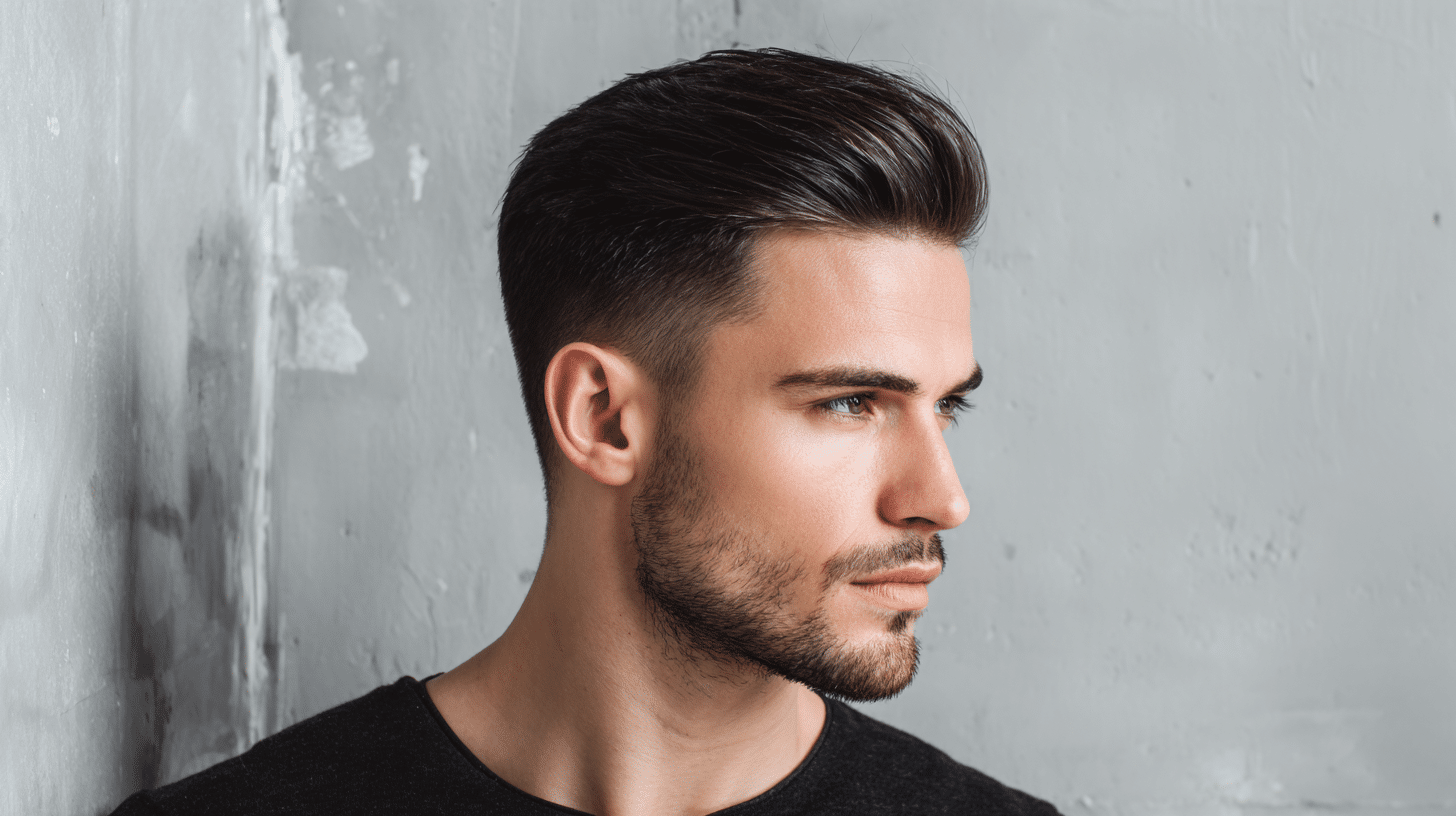
In a busy barbershop in downtown Manhattan, a client with straight hair asks for something that adds volume. The barber reaches for thinning shears. Straight hair, common among East Asian and Caucasian men, lies flat and lacks natural curl. But the right haircut can transform its appearance entirely.
What Is Confirmed About Straight Hair Cuts and What Remains a Matter of Preference
Barbers and stylists agree on several facts about straight hair. Its uniform texture makes it ideal for clean, geometric shapes. The crew cut and buzz cut, for example, rely on even growth to look sharp. The Caesar cut, with its short fringe, dates back to ancient Rome and remains a reliable choice. A reference profile of the subject is maintained on 40+ Straight Hair Hairstyles for Guys All Ages [2026 Gallery]
What remains unverified is whether any single cut suits every face shape. Some sources claim the pompadour, popularized in the 1950s by Elvis Presley, works universally for straight hair. In practice, the pompadour requires enough length on top and a strong forehead shape to look balanced. The undercut, which gained popularity in the 2010s, features short sides and a longer top. It can make a round face appear longer, but barbers often adjust the fade height per client.
Another disputed point is how often straight hair needs washing. Straight hair can appear oily without regular washing, but over-washing strips natural oils. The ideal frequency depends on scalp type and lifestyle, not just hair texture. Similarly, the claim that straight hair requires less product is generally true, but some styles—like the slicked-back look—demand pomade or gel to hold shape.
For men with thinning straight hair, the textured crop has become a modern solution. Point cutting adds volume by removing weight from the ends. However, the degree of texture needed varies by hair density and personal taste. A skilled barber will assess these factors before cutting.
The rest—length, fringe, part placement—depends on individual features. A consultation with a barber remains the best way to determine what works.
How Straight Hair Haircuts Affect Daily Life and Cultural Trends
Straight hair haircuts for guys have real-world impact beyond aesthetics. A well-chosen cut can reduce morning styling time significantly. Men with straight hair often wake up with their cut looking nearly the same as when they left the barber. This low-maintenance quality appeals to busy professionals and students alike.
Cultural relevance also plays a role. The Ivy League cut, a longer version of the crew cut, became a preppy staple in the 1960s. It conveyed a clean, collegiate image that still resonates today. The side part, another timeless style, suits straight hair for both casual and formal settings. It projects reliability and attention to detail.
Audience reaction to straight hair styles varies by generation. Younger men in the 2020s have embraced the French crop, a style with a short fringe that gained traction in men’s fashion. It offers a modern edge without being extreme. Older men often prefer the classic side part or the Ivy League cut, associating them with professionalism.
Social media has amplified certain trends. The undercut, for instance, became a viral phenomenon in the early 2010s after appearing on celebrities and athletes. Straight hair’s ability to hold sharp lines made the undercut particularly striking. Barbers report that clients often bring photos from Instagram or Pinterest, requesting specific fade heights or part placements.
On a practical level, straight hair haircuts influence grooming routines. Regular trims every three to four weeks prevent straight hair from looking unkempt or flat. Without curl to hide uneven growth, straight hair shows every missed appointment. This discipline can be a burden for some, but for others, it becomes a habit that ensures a polished appearance.
The economic impact is also notable. Barbershops in urban areas report that straight hair clients tend to return more frequently than those with curly or coily hair. This repeat business supports local barbers and contributes to the grooming industry’s steady growth. While exact figures are not available, the pattern is consistent across many markets.
Behind the Scenes: How Barbers Approach Straight Hair Cutting
Behind every great straight hair haircut is a methodical process. Barbers begin by assessing the hair’s natural growth pattern. Straight hair often grows downward uniformly, but cowlicks or whorls can disrupt the flow. Identifying these patterns early prevents uneven results.
The tools used for straight hair differ slightly from those for curly hair. Clippers with fine blades create clean fades and tapers. Scissors with a straight edge are preferred for blunt cuts, while thinning shears add texture without removing too much length. Point cutting, where the scissors are held vertically, is a common technique to soften the ends and add movement.
Washing and drying the hair before cutting is standard practice. Wet straight hair clings together, making it easier to see the natural fall. Some barbers prefer to cut dry hair to see exactly how it will lie. Both methods have advocates, and the choice often depends on the desired finish.
The consultation phase is critical. Barbers ask about daily routine, product use, and how much time the client wants to spend styling. For straight hair, the answer often guides the cut. A client who wants a low-maintenance style might choose a buzz cut or crew cut. Someone willing to use product might opt for a pompadour or slicked-back look.
Straight hair’s natural shine can enhance sleek styles. The slicked-back look, for example, relies on that shine to appear polished. Barbers may recommend a lightweight pomade or gel to avoid weighing the hair down. Over-application can make straight hair look greasy, so moderation is key.
Fades and tapers are particularly effective on straight hair. The sharp contrast between short sides and longer top creates a clean, modern silhouette. Barbers use clipper guards of varying lengths to blend the transition. A high fade starts near the temples, while a low fade begins closer to the ears. The choice affects the overall shape and can balance facial features.
Behind the scenes, barbers also educate clients on home maintenance. They demonstrate how to use texturizing sprays to add volume or how to blow-dry with a round brush for lift. This knowledge transfer ensures the cut looks good between visits.
Deep Dive: The Best Haircuts for Guys Straight Hair and How to Choose
When exploring haircuts for guys straight hair, several styles stand out for their compatibility and versatility. The crew cut remains a top choice. It features short hair on the sides and back, with slightly longer hair on top. The uniform texture of straight hair makes the crew cut look neat and intentional. It requires minimal styling and suits most face shapes.
The buzz cut is even shorter. It uses a single clipper guard length across the entire head. Straight hair’s even growth ensures a consistent appearance. This cut is ideal for men who want zero maintenance or who are experiencing thinning hair. It also highlights the shape of the skull, so it works best for those with a well-proportioned head.
The pompadour offers a more dramatic option. It involves longer hair on top swept upward and back, with shorter sides. Straight hair holds the volume well when blow-dried and styled with product. The pompadour requires more daily effort but creates a bold, retro look that turns heads.
The undercut is another popular choice. It features very short or shaved sides and a longer top. The contrast is striking, and straight hair’s ability to hold sharp lines makes the undercut particularly effective. The top can be styled in various ways—slicked back, parted, or textured. This versatility has kept the undercut relevant for over a decade.
The textured crop is a modern favorite. It involves cutting the top into layers with point cutting, creating a choppy, voluminous look. The sides are kept short, often with a fade. Straight hair benefits from the added texture, which prevents the flat appearance that some men dislike. The French crop is a variation with a short fringe that sits forward.
The side part is a timeless classic. A deep part is created on one side, and the hair is combed across. Straight hair holds the part cleanly, and the style works for both casual and formal occasions. It can be worn with a taper or fade on the sides for a contemporary update.
The Ivy League cut is essentially a longer crew cut. It allows for a side part and can be combed back or to the side. It became a preppy staple in the 1960s and remains a smart choice for professional settings. Straight hair’s natural shine enhances the polished look.
The Caesar cut features a short, straight fringe across the forehead. It is named after Julius Caesar and has been revived in modern barbering. Straight hair holds the fringe shape without curling, making it a low-maintenance option that still looks intentional.
Choosing the right cut depends on face shape, lifestyle, and personal style. Round faces benefit from cuts with height on top, like the pompadour or textured crop. Square faces can handle most styles, but the crew cut and side part are particularly flattering. Oval faces are the most versatile and can pull off any of these cuts.
Lifestyle matters too. A busy professional might prefer the Ivy League cut or side part for their polished yet low-maintenance nature. A student or creative type might enjoy the undercut or textured crop for their edgy appeal. Those who dislike product should stick with the buzz cut or crew cut.
Straight hair’s lack of volume can be addressed with layered cuts or texturizing sprays. A barber can add internal layers to create movement without sacrificing length. Texturizing sprays, applied to damp hair before blow-drying, lift the roots and add body. These techniques make straight hair appear fuller and more dynamic.
Regular trims every three to four weeks are essential. Straight hair shows uneven growth quickly, and split ends are more visible. A consistent schedule keeps the cut looking fresh and prevents the need for major corrections later.
Ultimately, the best haircut for straight hair is one that aligns with the individual’s features and preferences. A skilled barber can guide the decision, but the final choice should feel right to the wearer.
Frequently Asked Questions
Where can I find a barber who specializes in straight hair haircuts?
Most barbershops in urban areas have experience with straight hair. Look for barbers who advertise classic cuts or fades. Online reviews and social media portfolios can help identify barbers skilled with straight textures.
Why does straight hair often look flat after a haircut?
Straight hair lacks natural curl or wave, so it lies close to the scalp. Without proper layering or texture, it can appear flat. A barber can add volume through point cutting or recommend texturizing products to lift the hair.
What is the best way to style straight hair for volume?
Blow-drying with a round brush lifts the roots. Apply a volumizing mousse or texturizing spray to damp hair before drying. Avoid heavy gels or pomades that weigh hair down. A layered cut also helps create the illusion of fullness.
What is the French crop best known for in men’s grooming?
The French crop is known for its short fringe and textured top. It gained popularity in the 2020s for its modern, low-maintenance appeal. Straight hair holds the fringe shape well, making it a reliable choice for a contemporary look.
How does a crew cut differ from a buzz cut for straight hair?
A crew cut leaves slightly more length on top, usually tapered from front to back. A buzz cut uses a single length across the entire head. Both suit straight hair, but the crew cut offers more styling flexibility, while the buzz cut is the ultimate low-maintenance option.
How to Maintain Straight Hair Between Barber Visits
Maintaining a straight hair haircut requires a consistent routine. Washing with a gentle shampoo every two to three days prevents oil buildup without stripping moisture. Conditioner should focus on the ends to avoid weighing down the roots. A lightweight leave-in conditioner can add a touch of moisture without flattening the hair.
Drying technique matters. Patting the hair dry with a towel rather than rubbing reduces frizz and preserves the cut’s shape. For added volume, blow-dry on a low heat setting while lifting the roots with your fingers. A boar bristle brush distributes natural oils and adds shine, which straight hair naturally exhibits.
Product selection is straightforward. A matte clay or paste provides hold without shine for a natural look. A lightweight pomade works for slicked-back styles. Avoid heavy gels that can make straight hair look greasy or stiff. Texturizing sprays are excellent for adding volume and a tousled finish.
Sleeping on a silk or satin pillowcase reduces friction and prevents flattening. For morning touch-ups, a quick blast of dry shampoo at the roots absorbs excess oil and adds lift. A fine-tooth comb helps reshape the part or fringe without disturbing the cut.
Regular trims every three to four weeks are non-negotiable. Straight hair shows uneven growth and split ends more prominently than curly hair. Booking the next appointment before leaving the barbershop ensures consistency. Some barbers offer a free touch-up between full cuts, which can extend the life of the style.
Sun exposure can lighten straight hair and make it appear drier. A hat or UV-protectant spray prevents damage. Chlorine from pools can also strip moisture, so rinsing hair with fresh water before swimming helps. These small habits keep the cut looking fresh and healthy.
Common Mistakes to Avoid With Straight Hair Cuts
One frequent error is choosing a cut based solely on a photo without considering face shape. A style that looks great on a model may not suit a round or long face. Consulting a barber who can adapt the cut to individual proportions is essential.
Another mistake is over-washing. Straight hair can become oily quickly, but washing daily strips natural oils and leads to dryness. The scalp compensates by producing more oil, creating a vicious cycle. Sticking to a every-other-day schedule often balances oil production.
Using too much product is common. Straight hair requires less product than curly or thick hair. A pea-sized amount of pomade or clay is usually sufficient. Applying product to damp hair distributes it more evenly and prevents clumping.
Skipping regular trims leads to a shapeless look. Straight hair loses its structure faster than other textures. Even a two-week delay can make a fade look grown out and the top appear uneven. Setting a reminder for appointments helps maintain the cut’s integrity.
Finally, ignoring the barber’s advice on styling can undermine the cut. Barbers often recommend specific products or techniques based on the hair’s behavior. Following their guidance ensures the cut looks its best between visits. A little effort goes a long way in preserving a sharp straight hair haircut.