
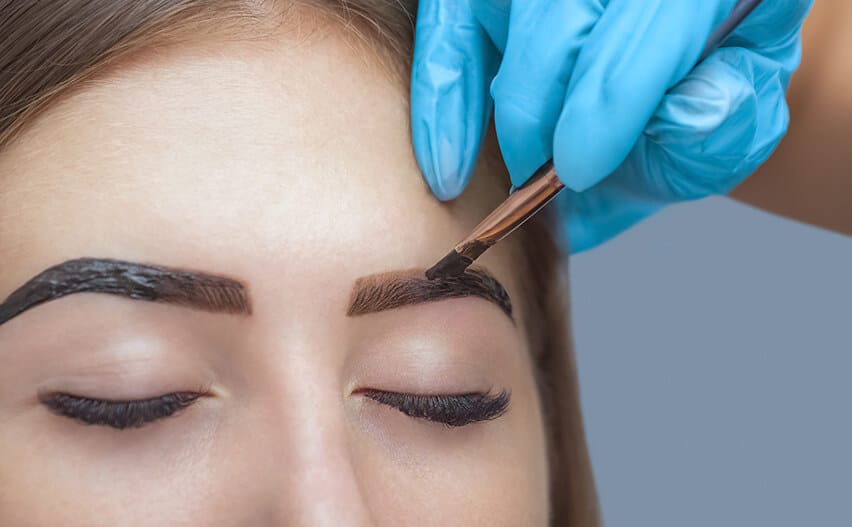
More people are searching for natural alternatives to chemical brow tints, and henna has emerged as a popular choice. Tinting brows with henna offers a semi-permanent color that stains both the hair and the skin, creating a fuller, more defined look. This ancient practice, rooted in Middle Eastern and South Asian beauty traditions, has gained traction in Western salons since around 2015.
How Henna Brow Tinting Is Made and Applied
Henna for brows is derived from the leaves of the Lawsonia inermis plant. The leaves are dried, ground into a fine powder, and mixed with a liquid—often water, lemon juice, or essential oils—to release the dye molecule lawsone. This natural compound binds to keratin in hair and skin, producing a stain that deepens over 24 to 48 hours. A reference profile of the subject is maintained on How To Tint Your Eyebrows At Home With Henna | Hello Glow
The application process is straightforward but requires precision. A paste is prepared fresh or from a pre-mixed kit. The brow area is cleansed to remove oils, then the henna paste is applied with a fine brush, shaping the brows as desired. The paste is left on for 10 to 30 minutes, depending on the desired intensity. After removal, the brows should not be washed with soap for several hours to allow the color to set.
Professional estheticians often customize the shade by mixing henna with other plant-based dyes like indigo or cassia. Indigo produces blue-black tones, while cassia gives a golden hue. This blending allows for a range of colors from light brown to dark espresso, though pure henna alone yields an orange-brown stain.
The process is gentler than chemical tints because henna does not penetrate the hair shaft as deeply. Instead, it coats the hair and stains the skin, which is why the color fades faster on skin (1–2 weeks) than on hair (up to 6 weeks). Salons that offer this service typically charge a premium over regular brow tinting due to the longer application time and the skill required to shape the brows.
At-home kits are widely available, but experts recommend a patch test 48 hours before full application. This test involves applying a small amount of henna behind the ear or on the inner arm to check for allergic reactions. Even natural henna can cause sensitivity in some individuals, especially if essential oils are added.
Why Henna Brow Tinting Gained Popularity and How It Works
The rise of henna brow tinting in Western beauty culture can be traced to the growing demand for natural and organic products. Consumers became wary of synthetic dyes containing ammonia, peroxide, and other harsh chemicals. Henna offered a plant-based alternative that also provided a unique cosmetic benefit: it stains the skin, creating the illusion of thicker brows without the need for daily filling.
Celebrity brow artists and influencers began showcasing henna results on social media, highlighting the soft, powdery finish that mimics the look of brow powder. Unlike regular brow tint, which only colors the hairs, henna fills in sparse areas on the skin. This makes it especially appealing for people with over-plucked brows, alopecia, or naturally thin brows.
The technique also appeals to those with sensitive skin. Many chemical tints can cause stinging or redness, but henna is generally well-tolerated when pure. However, not all products labeled “henna” are safe. Some contain para-phenylenediamine (PPD), a chemical added to create darker shades. PPD is a common allergen and can cause severe reactions, including blistering, scarring, and permanent skin damage. The U.S. Food and Drug Administration (FDA) has issued warnings against the use of black henna, which often contains PPD.
To ensure safety, consumers should look for henna that is labeled “natural” or “organic” and check the ingredient list for any additives. Reputable brands often list lawsone content and avoid PPD. A patch test remains the best precaution.
The longevity of henna brow tint depends on several factors: skin type, hair porosity, and aftercare. Oily skin tends to break down the stain faster, while dry skin holds it longer. Exfoliating the brow area, using oil-based makeup removers, or applying retinoids can accelerate fading. To extend the results, clients are advised to avoid scrubbing the brows and to use gentle cleansers.
Common Misconceptions About Henna Brow Tinting
One widespread myth is that henna brow tinting is permanent. In reality, the color is semi-permanent, lasting up to six weeks on hair and only one to two weeks on skin. The stain gradually fades as skin cells shed and hair grows out. Another misconception is that all henna is safe. As noted, black henna often contains PPD, which can cause allergic contact dermatitis. Natural henna is orange-brown; any shade darker than that likely contains additional dyes.
Some believe that henna cannot be used on previously tinted or bleached brows. While it is possible, the results may be unpredictable. Henna reacts differently with chemically treated hair, sometimes producing uneven color. A strand test is recommended before full application.
Another myth is that henna brow tinting is painless and risk-free. While it is generally painless, improper application can lead to skin irritation. Leaving the paste on too long can cause excessive staining that looks unnatural. Also, henna should not be applied to broken or irritated skin, as it can cause further inflammation.
There is also confusion about the difference between henna and regular brow tint. Regular brow tint uses chemical dyes that penetrate the hair shaft, coloring only the hairs. Henna coats the hair and stains the skin, providing a filled-in effect. Regular tint lasts about 4–6 weeks on hair but does not stain skin. Henna offers a more dramatic, makeup-like finish but requires more frequent touch-ups on the skin.
Finally, some think henna brow tinting is only for dark hair. In fact, henna can be mixed with other plant powders to create lighter shades suitable for blondes and redheads. However, achieving very light shades is challenging because henna naturally imparts a warm tone. For very light brows, a professional consultation is advisable.
| Aspect | Henna Brow Tint | Regular Brow Tint |
|---|---|---|
| Active ingredient | Lawsone from henna plant | Synthetic dyes (e.g., PPD, resorcinol) |
| Stains skin | Yes | No |
| Duration on hair | Up to 6 weeks | 4–6 weeks |
| Duration on skin | 1–2 weeks | None |
| Allergy risk | Low with pure henna; high with PPD | Moderate to high |
| Color range | Warm browns, limited light shades | Wide range including cool tones |
Timeline of Key Moments in Henna Brow Tinting
The use of henna for cosmetic purposes dates back thousands of years. Ancient Egyptians used henna to stain nails and hair. In South Asia and the Middle East, henna has been applied to hands, feet, and hair for celebrations and daily beauty routines for centuries. However, its specific use for eyebrows is a more recent trend in the West.
Around 2010, beauty bloggers and natural living advocates began experimenting with henna for brows. They shared tutorials online, sparking curiosity. By 2015, professional salons in major cities like New York and London started offering henna brow tinting as a service. The technique was often bundled with threading or waxing.
In 2016, the FDA issued a warning about black henna and the dangers of PPD. This raised awareness about the importance of using pure henna. The warning also led to stricter labeling in some countries, though black henna products remain available online.
By 2018, several beauty brands launched dedicated henna brow kits, making the process accessible for home use. These kits included pre-measured powders, mixing bowls, and applicators. Social media influencers promoted the results, showing before-and-after photos that highlighted the skin-staining effect.
In 2020, during the COVID-19 pandemic, many people turned to at-home beauty treatments. Henna brow tinting saw a surge in DIY interest. Online searches for “henna brow tint” increased significantly, according to some sources. Salons adapted by offering virtual consultations and curbside pickup of kits.
Today, henna brow tinting is a established niche in the beauty industry. It is offered by many estheticians and is a staple in natural beauty circles. Ongoing research into plant-based dyes continues to refine the formulations, aiming for longer-lasting and more predictable results.
Frequently Asked Questions
What is henna brow tinting?
Henna brow tinting is a semi-permanent cosmetic treatment that uses natural henna dye to color eyebrow hairs and stain the underlying skin. The dye comes from the Lawsonia inermis plant and produces a warm brown shade. The result lasts up to six weeks on hair and one to two weeks on skin.
Who should avoid henna brow tinting?
People with known allergies to henna or PPD should avoid it. Those with broken or irritated skin near the brows should also skip the treatment. Pregnant or nursing women may want to consult a doctor, though pure henna is generally considered safe. A patch test is always recommended before full application.
Why does henna brow tint fade faster on some people?
Fading speed depends on skin type, hair porosity, and aftercare. Oily skin breaks down the stain more quickly. Using oil-based makeup removers, exfoliating the brow area, or applying retinoids can accelerate fading. Dry skin tends to hold the stain longer. Proper aftercare can extend the results.
How does henna brow tint differ from regular brow tint?
Henna brow tint stains both the hair and the skin, creating a filled-in, powdery look. Regular brow tint only colors the hair shafts, leaving the skin untouched. Henna is plant-based, while regular tint uses synthetic chemicals. Henna lasts longer on hair but fades faster on skin, whereas regular tint lasts only on hair.
What is henna brow tinting best known for?
Henna brow tinting is best known for its ability to create the appearance of fuller, more defined brows by staining the skin. It offers a natural alternative to chemical dyes and is popular among those seeking organic beauty solutions. The technique has roots in ancient traditions but has been adapted for modern salons since around 2015.
How to Choose the Right Henna Brow Tint Shade for Your Features
Selecting the correct shade is crucial for achieving natural-looking results. Henna brow tinting offers a range of warm tones, but the final color depends on the base henna and any added plant powders. For fair skin with blonde or light brown hair, a mix of henna and cassia produces a soft golden brown. Medium skin tones with brown hair often suit a blend of henna and indigo for a rich chestnut. Darker skin and black hair can use pure henna mixed with indigo to achieve a deep espresso or black-brown shade.
Professional estheticians consider the client’s natural brow color, hair color, and skin undertone. Warm undertones pair well with henna’s natural orange-brown, while cool undertones may require more indigo to neutralize the warmth. A consultation often includes a strand test on a few brow hairs to preview the result. At home, users can test a small area behind the ear to see how the color develops over 48 hours.
It is important to note that henna brow tinting cannot produce cool ash tones like some chemical dyes. The lawsone molecule inherently gives a warm cast. For those seeking a true neutral or ashy brown, henna may not be the best option. However, many people appreciate the natural warmth, which can make brows look softer and more youthful.
Another factor is the intensity of the stain. Leaving the paste on longer results in a darker, more saturated color. For a subtle effect, 10 minutes may suffice; for a dramatic look, up to 30 minutes is common. The skin stain will be darkest immediately after removal and will lighten over the next two days as the color oxidizes and settles.
Aftercare Tips to Extend the Life of Your Henna Brow Tint
Proper aftercare can significantly prolong the results of henna brow tinting. For the first 24 hours, avoid getting the brows wet. Water can interfere with the dye setting process. After that, use a gentle, oil-free cleanser around the brow area. Oil-based makeup removers, micellar water, and cleansing balms can dissolve the stain on the skin, causing it to fade faster.
Exfoliating products containing alpha hydroxy acids (AHAs), beta hydroxy acids (BHAs), or retinoids should be kept away from the brows. These ingredients accelerate skin cell turnover, which sheds the stained skin cells more quickly. Similarly, facial treatments like chemical peels or microdermabrasion can strip the color prematurely.
Sun exposure can also lighten the henna stain. Applying a broad-spectrum sunscreen to the face, including the brow area, helps preserve the color. When swimming, chlorinated water and salt water can fade the tint, so wearing a swim cap or applying a protective barrier like petroleum jelly before swimming is advisable.
To maintain the skin stain, some clients apply a thin layer of coconut oil or jojoba oil to the brows at night. This can help condition the hairs and keep the skin hydrated, which may slow fading. However, oil can also loosen the stain if used too soon. It is best to wait at least 48 hours after the treatment before applying any oil.
For the hair stain, which lasts longer, regular conditioning of the brow hairs can keep them soft and prevent the color from looking dull. Avoid using harsh soaps or alcohol-based toners on the brows. With proper care, the hair color can last up to six weeks, while the skin stain may need a touch-up every one to two weeks.
Potential Risks and How to Minimize Them
While henna brow tinting is generally safe, there are risks to consider. The most common issue is allergic contact dermatitis, often caused by PPD in black henna. Symptoms include redness, itching, swelling, and blistering. To minimize risk, always use pure henna from reputable sources. Avoid products labeled “black henna” or those that list PPD as an ingredient. A patch test 48 hours before treatment is essential, even with natural henna, as some individuals may react to the plant itself or to essential oils in the mix.
Another risk is staining the skin unevenly or too darkly. This can happen if the paste is applied unevenly or left on too long. To prevent this, use a fine brush and apply the paste carefully within the brow shape. Start with a shorter application time, especially if you are new to henna. If the stain is too dark, it will fade within a few days, but you can speed up fading by gently exfoliating the area with a mild scrub or using a oil-based cleanser.
Infection is a rare but possible risk if the tools or paste are contaminated. Always use clean applicators and fresh henna powder. Do not share henna paste with others. If you have any cuts, acne, or irritation near the brows, postpone the treatment until the skin heals. Professional salons follow strict hygiene protocols, so choosing a licensed esthetician reduces these risks.
Finally, be aware that henna can interact with other hair treatments. If you have recently used chemical relaxers, perms, or hair dyes on your brows, the henna may react unpredictably. It is best to wait at least two weeks after any chemical treatment before applying henna. A strand test on a few brow hairs can help you gauge the result before committing to a full application.