
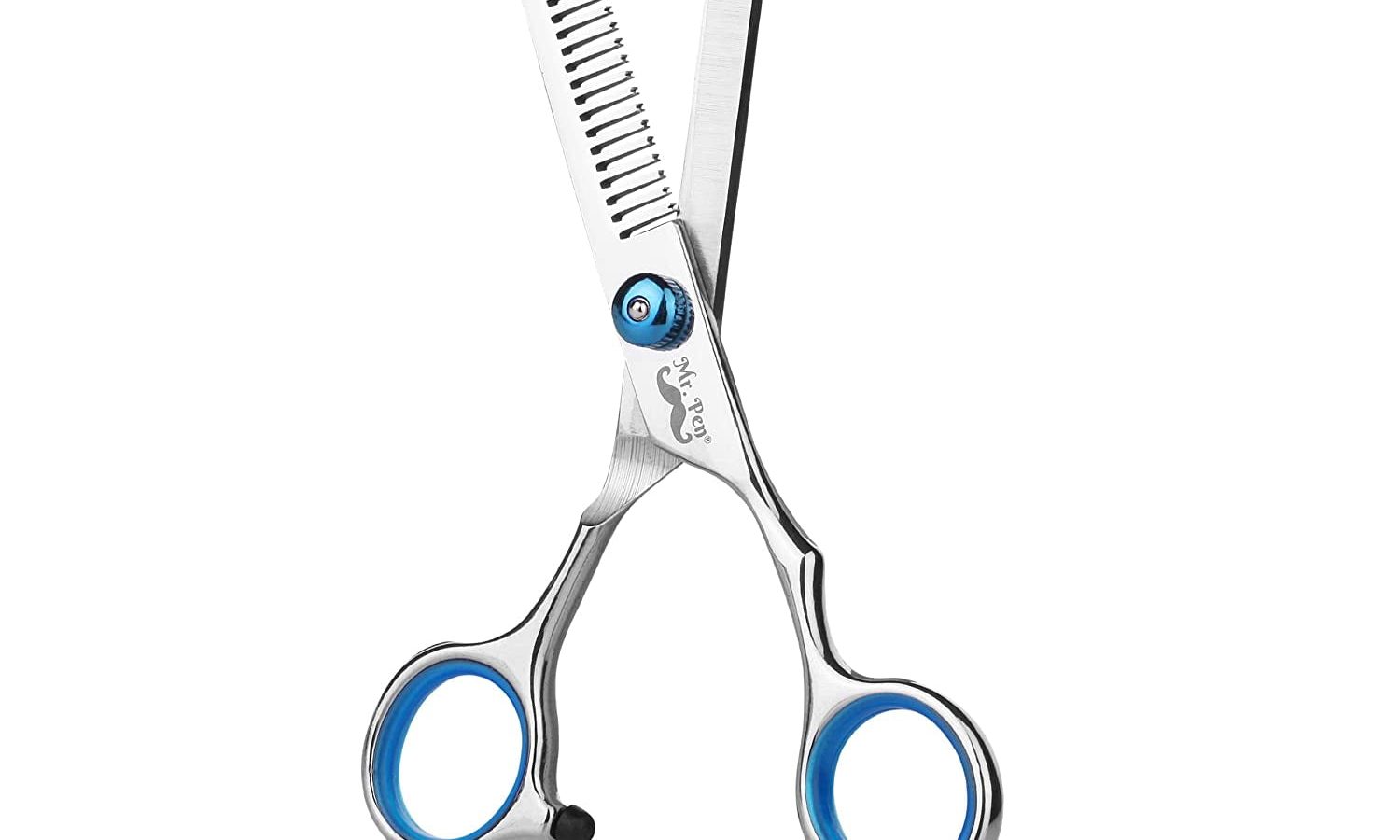
In the early 20th century, hairstylists began experimenting with a new tool that would change how they managed thick hair. The invention of thinning scissors for hair cutting, also known as texturizing shears, offered a way to reduce bulk without sacrificing length. These specialized shears feature one notched blade with teeth and a solid blade, allowing only some strands to be cut while others pass through the gaps.
Why Thinning Scissors Are Popular Among Stylists and Home Users
Thinning scissors for hair cutting have found a strong following in both professional salons and home grooming kits. In regions with dense, thick hair types, such as South Asia and parts of Europe, stylists rely on these shears to manage volume. The tool is especially valued in Japan, where brands like Joewell and Kasho produce high-end models known for precision and durability. Many stylists appreciate the ability to blend layers and soften harsh lines without creating visible choppiness. However, the reception varies by hair type. In communities with fine or curly hair, thinning shears are often avoided because they can create frizz or uneven texture. Home users, drawn by online tutorials, sometimes purchase budget versions, but professionals caution that improper technique leads to damage. The tool’s popularity has grown with the rise of DIY haircuts, yet many experts still recommend professional training before use. Hair-cutting shears
How Thinning Scissors Work and Key Innovations Over Time
The mechanism behind thinning scissors for hair cutting is straightforward yet ingenious. One blade has a series of teeth, creating gaps, while the other blade is solid. When the scissors close, hair strands that fall into the gaps remain uncut, while those caught between the teeth are severed. The ratio of teeth to solid blade determines the percentage of hair removed, typically ranging from 20% to 40%. This design allows stylists to reduce weight and blend layers with precision. The tool was popularized in the 1920s, but modern innovations have refined its ergonomics. Japanese manufacturers, for instance, introduced convex edges and offset handles to reduce hand strain during long sessions. Stainless steel and titanium blades offer durability and sharpness, with professional models costing between $50 and $300 or more. Recent trends, however, have shifted toward point cutting—a technique using regular scissors to create texture—as an alternative that some argue produces more natural results. Despite this, thinning shears remain a staple for many stylists, especially when dealing with extremely thick hair.
What Is Confirmed and What Remains Unverified About Thinning Scissors
Several facts about thinning scissors for hair cutting are well-established. The basic design—one notched blade and one solid blade—is consistent across all models. Professional brands like Joewell and Kasho are widely recognized for quality. However, some claims remain unverified. For example, the exact percentage of hair removed by a specific tooth count is often cited but varies by manufacturer and technique. The notion that thinning shears are always safe on dry hair is disputed; some stylists argue that wet hair provides better control. Additionally, the long-term effects of frequent thinning on hair health are not thoroughly studied. While anecdotal evidence suggests that improper use leads to split ends, controlled studies are lacking. The debate between thinning shears and point cutting also lacks consensus, with preferences often based on stylist training rather than empirical data. 11 Best Thinning Scissors & How to Use Them (Easy Guide)
Common Misconceptions About Thinning Scissors Clarified
Many myths surround thinning scissors for hair cutting. One common misconception is that they shorten hair. In reality, they remove bulk, not length, unless used improperly. Another myth is that they are suitable for all hair types. In fact, fine or curly hair often becomes frizzy or uneven when thinned. Some believe that more teeth mean better results, but the optimal tooth count depends on the desired effect and hair density. Another error is assuming that thinning shears can fix a bad haircut; they are best for blending and softening, not correcting major mistakes. There is also a belief that cheap thinning shears work as well as professional ones. Budget models often have dull blades and poor alignment, leading to snagging and damage. Finally, some think that thinning should be done on wet hair for precision. Many professionals recommend dry hair because wet hair stretches and can lead to over-thinning. Understanding these misconceptions helps users avoid common pitfalls and achieve better results.
| Myth | Fact |
|---|---|
| Thinning scissors shorten hair. | They remove bulk, not length. |
| Suitable for all hair types. | Not recommended for fine or curly hair. |
| More teeth = better results. | Optimal tooth count depends on hair density. |
| Cheap shears work as well. | Budget models often cause snagging and damage. |
| Use on wet hair for precision. | Dry hair is recommended to avoid over-thinning. |
Frequently Asked Questions
Who invented thinning scissors for hair cutting?
Early versions were likely developed by barbers seeking to manage thick hair.
What is the difference between thinning shears and texturizing shears?
Thinning shears and texturizing shears are often used interchangeably. Both have notched blades, but texturizing shears may have fewer teeth or different tooth patterns to create softer texture rather than just reducing bulk.
Is it true that thinning scissors can damage hair if overused?
Overuse can lead to frizz, split ends, and uneven texture. Professionals recommend using them sparingly and only on dry hair to maintain control and avoid excessive removal.
When did thinning scissors become popular in salons?
Thinning scissors gained popularity in the 1920s as hairstylists began adopting them for blending and reducing weight. Their use expanded through the 20th century, especially with the rise of layered haircuts.
How many teeth should thinning scissors have for thick hair?
There is no single number, but shears with 20 to 40 teeth are common. Fewer teeth remove more hair per cut, while more teeth create a softer blend. The choice depends on the stylist’s technique and the desired effect.
How to Choose the Right Thinning Scissors for Your Needs
Selecting the right thinning scissors for hair cutting involves several considerations beyond price. The tooth count is a primary factor: shears with fewer teeth remove more hair per cut, making them suitable for very thick hair, while those with more teeth create a softer blend. Blade material also matters. Stainless steel is common and affordable, but titanium or cobalt alloy blades offer greater durability and sharpness. Ergonomic design is crucial for professionals who use them daily. Offset handles reduce wrist strain, while swivel thumbs allow for more natural hand positioning. The tension screw should be adjustable to maintain optimal cutting performance. Another factor is the blade edge. Convex edges provide a smoother cut, while serrated edges can grip hair better but may cause more friction. For home users, a mid-range model with 30 teeth and stainless steel blades often strikes a good balance between cost and performance. Professionals may invest in high-end Japanese shears known for precision and longevity. It is also worth considering the warranty and sharpening services offered by the manufacturer. Reading reviews from other users with similar hair types can provide practical insights. Ultimately, the best choice depends on the user’s skill level, hair type, and frequency of use.
Proper Techniques for Using Thinning Scissors Effectively
Using thinning scissors for hair cutting requires specific techniques to avoid damage and achieve desired results. The first rule is to work on dry hair whenever possible. Wet hair stretches and can lead to over-thinning, as the true length and density are not visible. Section the hair into manageable parts, using clips to keep areas separate. Hold the shears at a slight angle, not parallel to the hair shaft, to create a softer blend. Cut only the mid-lengths and ends, avoiding the roots to prevent a choppy appearance. A common technique is to slide the shears down the hair shaft in a gentle, gliding motion, cutting only a few strands at a time. Another method is to point cut with the shears, using the tips to remove weight from specific areas. For blending layers, take small sections and cut at a 45-degree angle. It is important to cut less than you think you need; you can always remove more, but you cannot add hair back. After thinning, check the hair by running your fingers through it to feel for any uneven spots. Many stylists recommend using thinning shears only on the under layers of thick hair to preserve the outer appearance. For curly hair, thinning should be done with extreme caution, as it can disrupt the curl pattern and cause frizz. Some stylists prefer to use thinning shears only on the ends of curly hair to reduce bulk without altering the curl shape. Practice on a mannequin head or with a willing friend before attempting self-haircuts. Watching tutorials from experienced stylists can also help refine technique. Remember that less is more when it comes to thinning shears.
Maintenance and Care for Long-Lasting Thinning Scissors
Proper maintenance extends the life of thinning scissors for hair cutting and ensures consistent performance. After each use, wipe the blades clean with a soft, dry cloth to remove hair and oils. Avoid using abrasive materials that can scratch the blade surface. Lubricate the pivot screw regularly with a drop of oil designed for shears. This prevents rust and keeps the blades moving smoothly. Store the shears in a protective case or pouch to prevent accidental drops and blade damage. Never leave them in a damp environment, as moisture can cause corrosion. Periodically check the tension screw; if the shears feel loose or too tight, adjust it according to the manufacturer’s instructions. Professional sharpening is recommended every six to twelve months, depending on usage. Attempting to sharpen thinning shears at home is difficult due to the notched blade design and often leads to uneven edges. Some manufacturers offer sharpening services, or you can find a reputable sharpener specializing in hair shears. Signs that your shears need sharpening include pulling or snagging hair, uneven cuts, or increased effort required to cut. Using dull shears can damage hair by crushing rather than cutting strands. For home users who cut hair infrequently, annual sharpening may suffice. Always handle shears with care; dropping them can misalign the blades, requiring professional realignment. Investing in a quality pair of shears and maintaining them properly will save money in the long run by reducing the need for replacements. A well-maintained pair of thinning shears can last for many years, providing consistent results for both professionals and home users.
Comparing Thinning Scissors to Other Texturizing Tools
Thinning scissors for hair cutting are not the only option for reducing bulk and adding texture. Regular scissors can be used for point cutting, where the tips of the blades are used to snip into the ends of the hair, creating a softer edge. This technique offers more control and is less likely to cause damage if done correctly. Razor cutting is another alternative, using a straight razor to shave off hair strands, which creates a wispy, feathered effect. However, razors can weaken the hair shaft and lead to split ends if not used carefully. Thinning shears are often preferred for their ability to remove bulk quickly and evenly, but they require a steady hand and proper technique. Some stylists combine methods, using thinning shears on the under layers and point cutting on the surface for a natural blend. The choice between tools depends on the desired outcome, hair type, and stylist expertise. For example, razor cutting is popular for creating soft, beachy waves, while thinning shears are better for managing thick, heavy hair. Understanding the strengths and limitations of each tool helps users make informed decisions.
Safety Precautions When Using Thinning Scissors at Home
Using thinning scissors for hair cutting at home requires caution to avoid accidents and hair damage. Always use sharp, well-maintained shears; dull blades can pull hair and cause pain. Keep the shears away from children and pets, as the blades are sharp and can cause injury. When cutting, work in a well-lit area with a mirror to see the back of your head. Use hair clips to section the hair and work slowly, cutting small amounts at a time. Avoid cutting too close to the scalp, as this can create bald spots or uneven texture. Never use thinning shears on wet hair unless you are experienced, as wet hair stretches and can lead to over-thinning. If you are unsure about a technique, consult a professional stylist or watch instructional videos from reputable sources. It is also wise to start with a less aggressive tooth count, such as 30 teeth, to minimize the risk of removing too much hair. After cutting, check the hair by running your fingers through it and looking for any uneven areas. If you make a mistake, resist the urge to fix it with more thinning; instead, seek professional help. Safety should always be the priority, especially for beginners.
How to Identify Quality Thinning Scissors Before Buying
When shopping for thinning scissors for hair cutting, several indicators separate high-quality tools from inferior ones. The weight and balance of the shears matter; professional models feel substantial yet well-balanced in the hand. Check the blade alignment by closing the shears slowly; the teeth should meet the solid blade evenly without gaps. The tension screw should allow smooth adjustment, and the pivot should move without resistance. High-end shears often feature a removable finger rest for customization. The finish of the blades also reveals quality; polished, mirror-like surfaces indicate careful manufacturing. Avoid shears with visible burrs or uneven tooth spacing. Another sign of quality is the warranty; reputable brands offer at least a one-year warranty against defects. Customer reviews can provide insight into durability and performance over time. For those on a budget, mid-range shears from established brands often offer better value than cheap, unbranded options. Investing in a quality pair reduces the risk of hair damage and provides more consistent results.
Common Mistakes Beginners Make With Thinning Scissors
Beginners often misuse thinning scissors for hair cutting in several predictable ways. The most frequent error is cutting too much hair at once, leading to uneven texture and visible gaps. Another mistake is using the shears on wet hair, which can result in over-thinning as the hair shrinks when dry. Some beginners hold the shears parallel to the hair shaft, creating blunt cuts instead of soft blends. Cutting too close to the roots is another common issue, causing a choppy appearance. Many novices also neglect to section the hair properly, leading to missed spots or over-thinned areas. Using dull or low-quality shears exacerbates these problems, as the blades may snag or crush the hair. Another error is attempting to fix a bad haircut with thinning shears, which often makes the problem worse. Beginners should start with small sections and cut conservatively, checking progress frequently. Practicing on a mannequin head or with a friend can help build confidence before attempting self-haircuts. Avoiding these common mistakes leads to better results and less hair damage.