
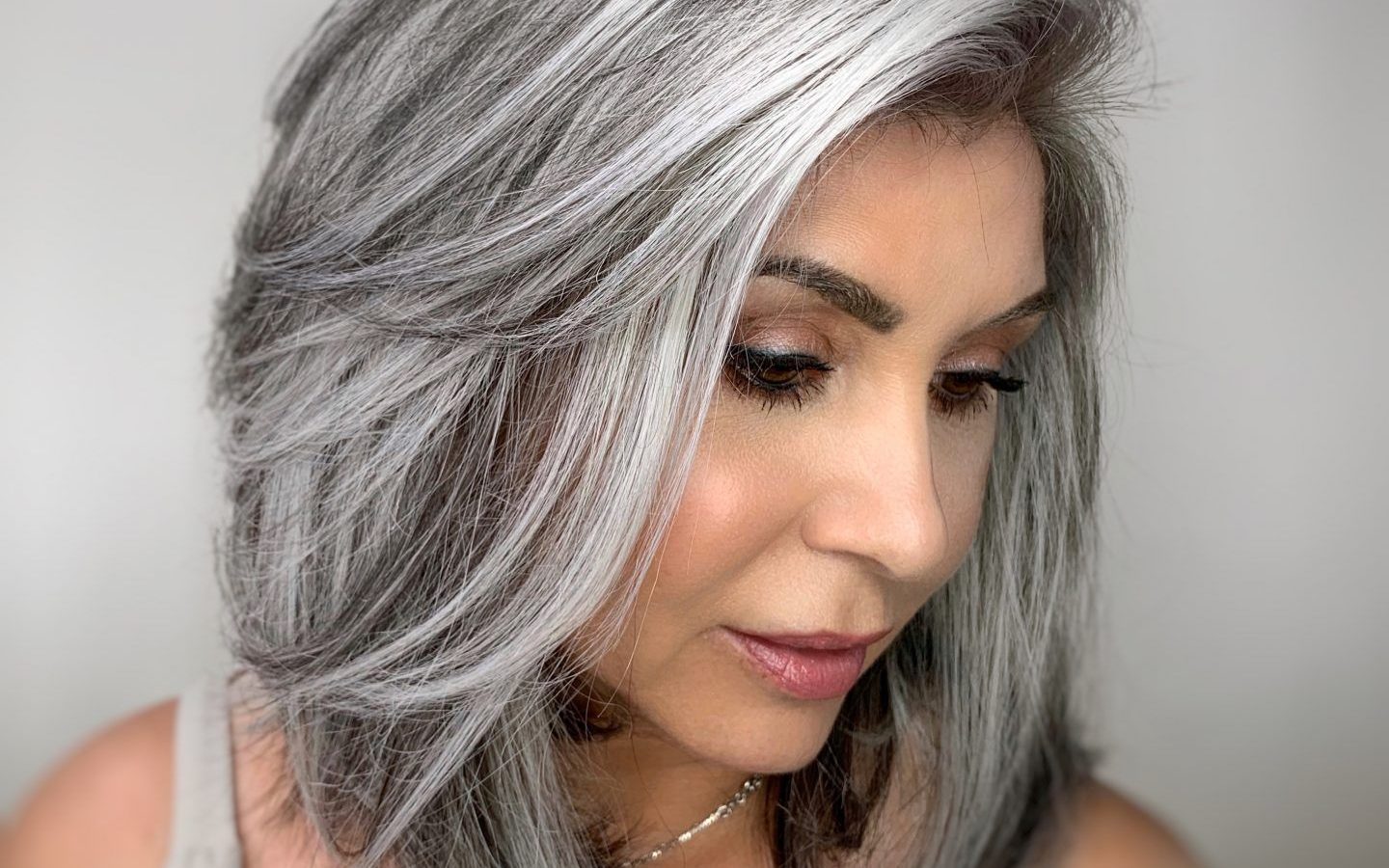
Search interest in silver grey hair has surged over the past decade, with Google Trends showing a steady climb since 2015. This cool, metallic shade—often described as polished silver—has moved beyond its association with aging to become a deliberate fashion statement. Whether natural or dyed, silver grey hair now appears on runways, red carpets, and everyday streets, driven by celebrity endorsements and a cultural shift toward embracing natural textures.
How Silver Grey Hair Became a Mainstream Fashion Statement
The journey of silver grey hair from a sign of aging to a coveted trend began in earnest around 2011. That year, Lady Gaga sported a striking silver-grey look during her “Born This Way” era, sparking widespread interest. But the real tipping point came in 2015 with the “Granny Hair” trend, where younger people deliberately dyed their hair silver-grey. This movement challenged traditional beauty norms and made grey hair a symbol of edgy style rather than decline. A reference profile of the subject is maintained on 46 Eye-Catching Silver Hair Color Ideas You'll Want To Copy
Celebrities played a pivotal role in normalizing and glamorizing the look. Helen Mirren and Jamie Lee Curtis have long worn their natural silver grey hair with pride, becoming icons of graceful aging. Meanwhile, stars like Kylie Jenner and Zendaya have experimented with silver-grey wigs and dyes, proving the shade works across generations. The term “silver fox” entered common parlance to describe attractive older individuals with grey or silver hair, further destigmatizing the color.
Fashion houses and hair color brands quickly capitalized on the trend. In 2016, L’Oréal launched a silver hair dye line, and by 2018, silver grey was a staple at fashion weeks in New York, London, and Paris. The trend also intersected with the rise of social media platforms like Instagram and Pinterest, where hashtags like #silverhair and #grannyhair amassed millions of posts. Influencers and everyday users shared tutorials on achieving the perfect silver shade, often using purple shampoo to combat brassiness.
Importantly, the trend has not been limited to women. Men have also embraced silver grey hair, with actors like George Clooney and Anderson Cooper celebrated for their distinguished grey locks. The unisex appeal of silver grey hair has helped it transcend gender boundaries, making it one of the most inclusive hair color trends in recent history.
Regional and Demographic Reception of Silver Grey Hair
The acceptance and popularity of silver grey hair vary significantly across cultures and age groups. In Western countries, particularly the United States and United Kingdom, the trend has been widely embraced as a fashion-forward choice. Younger generations, especially Millennials and Gen Z, have adopted silver grey hair as a form of self-expression, often pairing it with bold makeup and avant-garde clothing. In contrast, older adults in these regions have found empowerment in letting their natural grey grow out, rejecting the pressure to dye.
In East Asia, the reception has been more complex. In countries like Japan and South Korea, grey hair has traditionally been associated with old age and wisdom, but the fashion trend has gained traction among younger people, particularly in urban centers. Korean pop stars and Japanese fashion icons have occasionally sported silver-grey hair, though it remains less common than in the West. In China, the trend is growing but still faces resistance from conservative beauty standards that favor dark hair.
In South Asia, particularly India, silver grey hair is often seen as a sign of aging and is commonly dyed black. However, urban professionals and celebrities have begun to challenge this norm. For example, Bollywood actor Anil Kapoor has been open about his grey hair, and some fashion influencers now promote silver grey as a chic option. The trend is slowly gaining ground, especially among the diaspora.
Demographically, the trend skews younger for dyed silver grey hair, with the 18-34 age group being the most likely to experiment. Natural silver grey hair, on the other hand, is most common among those over 40, but the pandemic accelerated its acceptance. According to a 2021 survey by the hair care brand Clairol, 40% of women over 50 said they were more likely to embrace their natural grey after lockdowns. This shift has been supported by social media movements like #GreyHairDontCare and #SilverSisters, which celebrate natural silver grey hair.
Current Status and Future of Silver Grey Hair in 2024
As of 2024, silver grey hair remains a dominant trend in the beauty industry. The global hair dye market for grey coverage was valued at over $20 billion in 2023, with silver and grey shades accounting for a growing share. Major brands like Garnier, Revlon, and Schwarzkopf have expanded their silver hair product lines, offering everything from permanent dyes to temporary sprays and root touch-ups. The trend shows no signs of fading, with fashion forecasters predicting it will remain popular through 2025.
Recent developments include the rise of “silver hair influencers” on TikTok and YouTube, who share tips on maintaining the color and transitioning to natural grey. The hashtag #silverhair has over 2 billion views on TikTok, indicating sustained interest. Additionally, the pandemic-induced embrace of natural hair has led many to stop dyeing altogether, resulting in a surge of people proudly showing off their silver grey hair. This has been accompanied by a growing market for purple shampoos and conditioners, which neutralize yellow tones and keep silver hair looking vibrant.
Looking ahead, experts predict that silver grey hair will continue to evolve. One emerging trend is “silver balayage,” where silver highlights are painted onto darker hair for a subtle, low-maintenance look. Another is the use of temporary silver hair powders and sprays for special occasions. The fashion industry is also exploring silver grey hair in the context of sustainability, as reducing chemical dye use aligns with eco-conscious values. Some salons now offer “grey blending” services that help clients transition gracefully without harsh lines.
However, challenges remain. Maintaining silver grey hair requires significant effort, including regular toning and deep conditioning. The cost of salon visits and specialized products can be prohibitive for some. Additionally, societal pressure to cover grey hair persists in certain professional environments, though this is slowly changing. As more public figures and everyday people embrace their natural silver, the stigma continues to diminish.
Behind the Scenes: The Science and Maintenance of Silver Grey Hair
Understanding silver grey hair requires a look at the biology of hair pigmentation. Hair color is determined by melanin, produced by melanocyte stem cells in hair follicles. As people age, these stem cells gradually deplete, leading to reduced melanin production. The first grey hairs typically appear in one’s 30s or 40s, though genetics and health conditions can cause premature greying. Oxidative stress, caused by factors like UV exposure and smoking, accelerates this process by damaging melanocyte cells.
Natural silver grey hair is not actually silver—it is a mix of white and dark hairs that creates an optical illusion of grey. The exact shade depends on the ratio of pigmented to non-pigmented hairs. For those who dye their hair silver, the process involves bleaching the hair to a pale blonde or white, then applying a silver toner. This can be damaging, so proper care is essential. Purple shampoo is a key tool, as it contains violet pigments that cancel out brassy yellow tones, keeping the silver cool and bright.
Maintenance routines for silver grey hair typically include sulfate-free shampoos, weekly deep conditioning masks, and regular trims to prevent split ends. Heat styling should be minimized, and UV protection is recommended to prevent yellowing. For natural silver grey hair, some people use blue or purple shampoos to enhance brightness, while others embrace the warm tones that develop over time. The choice is personal, and many find that low-maintenance routines work best.
The hair care industry has responded with specialized products. Brands like Fanola, Joico, and Olaplex offer purple shampoos and conditioners designed for silver hair. Additionally, there are silver hair masks, leave-in treatments, and even purple hairsprays for touch-ups. Salons have also adapted, offering services like “silver gloss” treatments that add shine and tone. The cost of maintaining silver grey hair can add up, but many enthusiasts consider it a worthwhile investment for the striking look.
Frequently Asked Questions
Who are some celebrities known for their natural silver grey hair?
Helen Mirren and Jamie Lee Curtis are two of the most famous celebrities who proudly wear their natural silver grey hair. Others include actress Andie MacDowell, who stopped dyeing during the pandemic, and model Maye Musk, who has become a silver hair icon. These figures have helped normalize grey hair in the public eye.
What is the main appeal of silver grey hair as a fashion trend?
The appeal lies in its versatility and edgy aesthetic. Silver grey hair can look sophisticated, futuristic, or punk depending on styling. It also allows people to express individuality and challenge age-related stereotypes. The trend has been embraced by all ages, making it a unifying fashion statement.
Why does silver grey hair sometimes turn yellow?
Yellowing occurs due to oxidation, environmental pollutants, and mineral buildup from water. Sun exposure and heat styling can also cause brassiness. Using purple shampoo, which contains violet pigments that neutralize yellow, is the most common solution. Regular toning treatments at a salon can also help maintain a cool silver shade.
When did the silver grey hair trend become popular?
The trend gained mainstream popularity around 2015 with the “Granny Hair” movement, but its roots go back to Lady Gaga’s silver hair in 2011. The pandemic in 2020 further boosted the trend as many people stopped dyeing and embraced their natural grey. By 2024, it remains a strong fashion choice.
Is silver grey hair suitable for all skin tones?
Yes, silver grey hair can complement a wide range of skin tones, but the specific shade matters. Cooler silver tones work well with fair and cool-toned skin, while warmer silver or pewter shades suit olive and warm skin tones. A professional colorist can help choose the right variation to enhance one’s complexion.
How to Transition to Silver Grey Hair Without Damage
Transitioning to silver grey hair, whether natural or dyed, requires patience and strategy. For those growing out natural grey, the process can take months or even years, depending on hair length. One popular method is the “cold turkey” approach, where you stop dyeing altogether and let the roots grow in. This creates a distinct line of demarcation, which some embrace as a bold statement. Others prefer a gradual transition using semi-permanent dyes that blend the grey with the existing color, softening the contrast.
For those opting for dyed silver grey hair, the process begins with bleaching. This step is critical because silver is a cool tone that requires a pale, yellow-free base. A professional colorist will typically lift the hair to a level 9 or 10 blonde before applying a silver toner. At-home kits are available but carry higher risks of uneven color or damage. Experts recommend consulting a stylist for the first application, especially for dark hair that requires multiple bleaching sessions spaced weeks apart.
Maintaining silver grey hair involves a consistent routine. Purple shampoo should be used once or twice a week to prevent brassiness, but overuse can lead to a violet tint. Deep conditioning treatments are essential because bleached hair is more porous and prone to dryness. Some people also use bond-building products like Olaplex to repair damage from the bleaching process. Regular trims every six to eight weeks help remove split ends and keep the color looking fresh.
For those embracing natural silver grey hair, the transition can be emotionally challenging. Many people feel societal pressure to cover grey, especially in professional settings. Support groups and online communities, such as the #SilverSisters movement on Instagram, provide encouragement and tips. Some salons offer “grey blending” services that weave lowlights through the grey to create a seamless, multi-dimensional look. This technique reduces the stark contrast between grey and pigmented hair, making the transition less abrupt.
The Role of Silver Grey Hair in Pop Culture and Media
Silver grey hair has become a recurring motif in film, television, and literature, often symbolizing wisdom, power, or otherworldliness. In the Harry Potter series, Professor Dumbledore’s long silver beard and hair signify his ancient wisdom and magical authority. Similarly, characters like Gandalf in The Lord of the Rings and the White Witch in The Chronicles of Narnia use silver or white hair to denote age, magic, or moral ambiguity. These portrayals have reinforced the association of silver grey hair with depth and gravitas.
In recent years, silver grey hair has been used to subvert age stereotypes. The 2023 film “80 for Brady” featured a cast of older actresses, including Jane Fonda and Lily Tomlin, who wore their natural grey hair proudly. This representation challenges the Hollywood norm of dyeing grey hair for roles. Television shows like “Grace and Frankie” have also normalized grey hair on screen, with characters embracing their silver locks as part of their identity.
Music videos and album covers have also embraced the trend. Billie Eilish’s 2021 silver hair phase, showcased in her “Happier Than Ever” era, inspired countless fans to dye their hair silver. The aesthetic fit her dark, moody visuals and reinforced her image as a boundary-pushing artist. Similarly, K-pop groups like BTS and Blackpink have experimented with silver grey hair in their music videos, further globalizing the trend.
Social media has amplified the visibility of silver grey hair. Influencers like @silverhairqueen and @greyhairjourney share daily tips and transformations, building communities around the look. Brands collaborate with these influencers to promote products, creating a feedback loop that keeps the trend alive. The hashtag #silvergreyhair has over 500 million views on TikTok, with videos ranging from dye tutorials to “grey hair reveals” where people show their natural grey for the first time.
Economic and Environmental Impact of the Silver Grey Hair Trend
The silver grey hair trend has significant economic implications for the beauty industry. The global hair color market, valued at over $20 billion in 2023, has seen a surge in demand for silver and grey shades. This has led to product innovation, including ammonia-free dyes and plant-based toners that appeal to eco-conscious consumers. Small businesses, such as indie hair care brands, have also benefited, with some specializing exclusively in silver hair products.
Salons have adapted their services to meet demand. Many now offer “silver hair consultations” that assess a client’s skin tone and hair condition to recommend the best shade. The cost of a full silver dye job can range from $150 to $400, depending on location and hair length. Maintenance visits, including toning and gloss treatments, add to the expense. This has created a lucrative niche for stylists trained in color correction and grey blending.
Environmentally, the trend has both positive and negative aspects. On one hand, embracing natural grey hair reduces the need for chemical dyes, which can contain harsh ingredients like ammonia and resorcinol. This aligns with the growing “clean beauty” movement. On the other hand, the popularity of dyed silver grey hair has increased demand for bleaching products, which are resource-intensive to produce and can contribute to water pollution if not disposed of properly.
Some companies are addressing these concerns. For example, brands like Overtone and Arctic Fox offer semi-permanent silver dyes that are vegan and cruelty-free. Additionally, the rise of “grey blending” services that use less bleach than full dye jobs reduces chemical usage. As consumers become more environmentally aware, the industry is likely to see further innovation in sustainable silver hair products.