
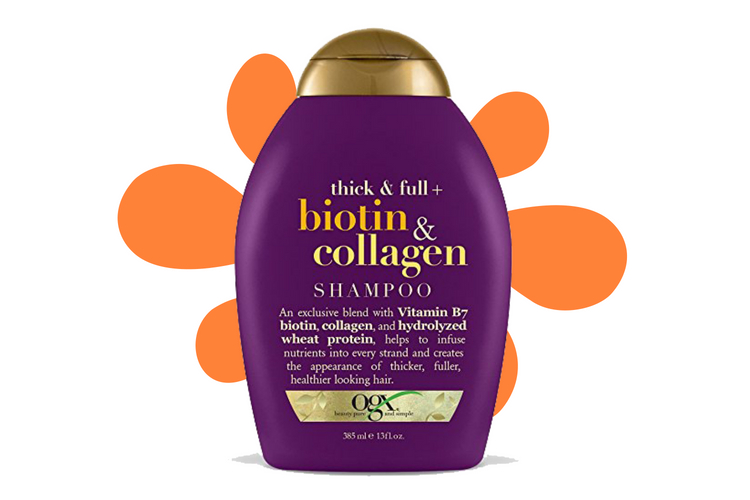
In a crowded drugstore aisle, a woman scans shelves for a solution to thinning hair. She picks up a bottle labeled “volumizing” or “thickening,” hoping for fuller locks. Hair thickening shampoo for women has become a popular choice for those seeking cosmetic improvement in hair density and texture. These products work by coating each strand with polymers or proteins, creating the illusion of thicker hair without actually regrowing lost strands. On a related note, Keratin Hair Shampoo: Benefits, Risks, and What to Look For in 2024 adds useful context
How Hair Thickening Shampoos Compare to Other Hair Loss Treatments
Many women wonder whether a shampoo can truly reverse hair thinning. The short answer is no — but that does not mean it is useless. Hair thickening shampoo for women differs fundamentally from medical treatments like minoxidil (Rogaine) or finasteride, which are FDA-approved to slow or reverse hair loss. Shampoos are not drugs; they are cosmetics that temporarily improve hair’s appearance. Minoxidil, for example, stimulates blood flow to follicles and can regrow hair in some users, but it requires daily application and may cause side effects like scalp irritation. In contrast, a thickening shampoo offers a gentler, non-invasive option that enhances volume and texture with each wash. Another common comparison is with hair fibers or sprays, which physically attach to existing hair to create density. While those provide instant results, they wash out and can look unnatural. Shampoos, on the other hand, work from the root to the tip, leaving hair feeling cleaner and fuller over time. Some women combine both approaches — using a thickening shampoo as a base and adding fibers for special occasions. The key difference lies in mechanism: shampoos coat the hair shaft, while treatments target the follicle. For women with mild thinning or those seeking preventive care, a thickening shampoo may be a practical first step. However, for significant hair loss, consulting a dermatologist is recommended. Public records covering this story are gathered in 8 Best Hair Thickening Shampoos for Volume, Based on Testing
What Is Confirmed and What Remains Unverified About These Products
Scientific evidence supports some claims made by hair thickening shampoo for women, but much remains anecdotal. Biotin, or vitamin B7, is known to support keratin production, a structural protein in hair. Studies show that biotin deficiency can cause hair thinning, and supplementation may help those with low levels. However, for women with normal biotin levels, extra biotin in shampoo likely provides minimal benefit. Caffeine is another well-studied ingredient. Research indicates that caffeine can penetrate the scalp and block DHT, a hormone linked to hair loss. A 2007 study found that caffeine applied topically stimulated hair follicle growth in vitro. Yet, the concentration in shampoos may be too low to have a significant effect. Saw palmetto, a plant extract, is believed to inhibit 5-alpha-reductase, an enzyme that converts testosterone to DHT. Some small studies suggest it may reduce hair loss, but results are mixed. What remains unverified is whether these ingredients, when rinsed off after a few minutes, can deliver lasting results. The FDA does not regulate shampoos as drugs unless they claim to treat a medical condition. Therefore, most thickening shampoos avoid explicit promises of regrowth. Instead, they use terms like “volumizing” or “thickening.” Consumer reviews often report improved texture and body, but objective measurements of hair diameter are rare. A 2019 review in the Journal of Cosmetic Dermatology concluded that while some ingredients show promise, more rigorous clinical trials are needed. In short, the science is promising but not definitive.
Real-World Impact: How Women Experience Hair Thickening Shampoos
For many women, the decision to try a hair thickening shampoo for women stems from a desire for confidence. Thinning hair can affect self-esteem, and finding a product that works — even cosmetically — can be empowering. Online forums and review sites are filled with testimonials from users who report that their hair looks fuller and feels thicker after several weeks of use. Some note that their hair is easier to style and holds curls better. Others appreciate that these shampoos are often sulfate-free, which means they do not strip natural oils, leaving hair healthier over time. The cultural relevance of this product category has grown alongside the broader “clean beauty” movement. Brands now emphasize natural ingredients, sustainable packaging, and transparency. Nioxin, a pioneer in the field founded in 1987, remains a top choice for women with thinning hair. Its system includes a shampoo, conditioner, and scalp treatment. OGX offers a Biotin & Collagen formula that is widely available and affordable. Pantene’s Volume & Body line targets fine hair without breaking the bank. The market’s growth — valued at over $2 billion globally in 2023 — reflects a shift in how women approach hair care. Instead of accepting thinning as inevitable, many seek proactive solutions. However, experts caution that results vary. A shampoo that works for one woman may not work for another due to differences in hair type, cause of thinning, and consistency of use. Most brands recommend using the product for at least four to six weeks before judging results. Some women combine thickening shampoos with scalp massages or supplements for added benefit. The real-world impact is thus a mix of hope, trial, and personal satisfaction.
Timeline of Key Moments in Hair Thickening Shampoo Development
The history of hair thickening shampoo for women is marked by innovation and shifting consumer demands. In the 1980s, hair loss treatments were largely male-focused. Nioxin launched in 1987, targeting both men and women with a system that cleansed the scalp and promoted a healthy environment for hair. The 1990s saw the rise of volumizing shampoos from mainstream brands like Pantene and Herbal Essences, though these were not specifically marketed for thinning hair. The early 2000s brought scientific advances: studies on caffeine and saw palmetto gained attention, and brands began incorporating these ingredients. In 2007, a landmark study on caffeine’s effect on hair follicles was published, boosting interest in caffeine-infused shampoos. The 2010s witnessed the clean beauty revolution. Consumers demanded sulfate-free, paraben-free formulas. Brands like OGX and Briogeo responded with biotin-rich shampoos that promised thickness without harsh chemicals. Social media influencers and beauty bloggers began reviewing products, driving sales. In 2020, the pandemic led to increased stress-related hair shedding, further fueling demand for thickening products. By 2023, the market had surpassed $2 billion, with new entrants focusing on scalp health and microbiome-friendly ingredients. Today, the trend continues toward personalized hair care, with brands offering quizzes to match products to individual needs. The timeline shows a clear evolution from basic volumizers to science-backed, ingredient-focused solutions.
| Ingredient | Claimed Benefit | Evidence Level |
|---|---|---|
| Biotin | Supports keratin production | Strong for deficiency; weak for normal levels |
| Caffeine | Blocks DHT, stimulates follicles | Moderate in vitro; limited clinical |
| Saw Palmetto | Inhibits DHT production | Mixed results; small studies |
| Keratin | Reinforces hair structure | Anecdotal; improves texture |
Frequently Asked Questions
When did hair thickening shampoos first become popular for women?
Hair thickening shampoos gained traction in the late 1980s with the launch of Nioxin in 1987, which specifically addressed thinning hair. Mainstream popularity grew in the 1990s as volumizing products entered drugstores.
Where can I find the best hair thickening shampoo for women?
These shampoos are widely available at drugstores, supermarkets, and online retailers like Amazon. Specialty beauty stores such as Ulta and Sephora also carry premium brands. For personalized recommendations, consult a dermatologist.
Is hair thickening shampoo still effective if I have a sensitive scalp?
Many thickening shampoos are sulfate-free and formulated for sensitive scalps. Look for products labeled “gentle” or “hypoallergenic.” Patch testing before full use is advisable to avoid irritation.
What is hair thickening shampoo best known for in the beauty industry?
It is best known for providing temporary volume and fullness by coating hair strands with polymers or proteins. It does not regrow hair but improves appearance, making it a popular cosmetic solution for thinning hair.
How does hair thickening shampoo differ from a regular volumizing shampoo?
Volumizing shampoos typically lift the hair cuticle to create body, while thickening shampoos deposit ingredients like biotin or keratin to increase strand diameter. Thickening formulas often target thinning hair specifically, whereas volumizing is for fine hair.
How to Choose the Right Hair Thickening Shampoo for Your Hair Type
Selecting a hair thickening shampoo for women requires understanding your specific hair needs. Fine, straight hair may benefit from lightweight formulas that add volume without weighing strands down. Curly or textured hair often needs extra moisture, so look for shampoos with hydrating ingredients like aloe vera or glycerin. Color-treated hair requires sulfate-free options to prevent fading. Oily scalps may prefer clarifying thickening shampoos that remove excess sebum, while dry scalps need gentle, nourishing blends. Reading labels is essential. Key ingredients to seek include biotin, caffeine, keratin, and collagen. Avoid sulfates, parabens, and silicones if you prioritize clean beauty. Patch testing a new product on a small area of skin can help prevent allergic reactions. Many brands offer sample sizes or travel bottles, allowing you to test before committing to a full-size purchase. Consulting a dermatologist or trichologist can provide personalized guidance based on your hair loss pattern and scalp condition.
Common Mistakes When Using Hair Thickening Shampoos
Even the best hair thickening shampoo for women can underperform if used incorrectly. One frequent error is using too much product. A dime-sized amount is usually sufficient for short to medium hair; more can leave residue. Another mistake is not lathering thoroughly. Shampoo should be massaged into the scalp for at least 30 seconds to distribute ingredients evenly. Rinsing with very hot water can strip beneficial compounds; lukewarm water is better. Some women skip conditioner, fearing it will flatten hair. However, a lightweight conditioner applied only to the ends can prevent tangles without reducing volume. Alternating between a thickening shampoo and a regular shampoo every few washes can prevent buildup. Consistency matters most. Using the product sporadically will not yield visible results. Most brands recommend using it at least three times per week for four to six weeks. Finally, expecting overnight transformation leads to disappointment. Thickening shampoos improve appearance gradually, not instantly. Managing expectations helps maintain motivation to continue use.
The Role of Scalp Health in Hair Thickening Success
Scalp health is a critical factor that many women overlook when using a hair thickening shampoo for women. A healthy scalp provides the foundation for strong hair growth. Conditions like dandruff, psoriasis, or seborrheic dermatitis can impede the effectiveness of any shampoo. Ingredients like salicylic acid, zinc pyrithione, or tea tree oil can help address scalp issues. Some thickening shampoos include these components to target both volume and scalp wellness. Regular exfoliation, either through a dedicated scalp scrub or a silicone brush, can remove dead skin cells and product buildup, allowing active ingredients to penetrate better. Massaging the scalp during shampooing increases blood circulation, which may support follicle function. Avoiding tight hairstyles that pull on the scalp, such as ponytails or braids, reduces traction alopecia risk. Diet also plays a role. Adequate protein, iron, zinc, and vitamin D intake supports hair health. While shampoo alone cannot compensate for nutritional deficiencies, combining a good product with a balanced diet yields better results. For persistent scalp issues, a dermatologist can prescribe medicated treatments that work alongside thickening shampoos.
How to Choose the Right Hair Thickening Shampoo for Your Hair Type
Selecting a hair thickening shampoo for women requires understanding your specific hair needs. Fine, straight hair may benefit from lightweight formulas that add volume without weighing strands down. Curly or textured hair often needs extra moisture, so look for shampoos with hydrating ingredients like aloe vera or glycerin. Color-treated hair requires sulfate-free options to prevent fading. Oily scalps may prefer clarifying thickening shampoos that remove excess sebum, while dry scalps need gentle, nourishing blends. Reading labels is essential. Key ingredients to seek include biotin, caffeine, keratin, and collagen. Avoid sulfates, parabens, and silicones if you prioritize clean beauty. Patch testing a new product on a small area of skin can help prevent allergic reactions. Many brands offer sample sizes or travel bottles, allowing you to test before committing to a full-size purchase. Consulting a dermatologist or trichologist can provide personalized guidance based on your hair loss pattern and scalp condition.
Common Mistakes When Using Hair Thickening Shampoos
Even the best hair thickening shampoo for women can underperform if used incorrectly. One frequent error is using too much product. A dime-sized amount is usually sufficient for short to medium hair; more can leave residue. Another mistake is not lathering thoroughly. Shampoo should be massaged into the scalp for at least 30 seconds to distribute ingredients evenly. Rinsing with very hot water can strip beneficial compounds; lukewarm water is better. Some women skip conditioner, fearing it will flatten hair. However, a lightweight conditioner applied only to the ends can prevent tangles without reducing volume. Alternating between a thickening shampoo and a regular shampoo every few washes can prevent buildup. Consistency matters most. Using the product sporadically will not yield visible results. Most brands recommend using it at least three times per week for four to six weeks. Finally, expecting overnight transformation leads to disappointment. Thickening shampoos improve appearance gradually, not instantly. Managing expectations helps maintain motivation to continue use.
The Role of Scalp Health in Hair Thickening Success
Scalp health is a critical factor that many women overlook when using a hair thickening shampoo for women. A healthy scalp provides the foundation for strong hair growth. Conditions like dandruff, psoriasis, or seborrheic dermatitis can impede the effectiveness of any shampoo. Ingredients like salicylic acid, zinc pyrithione, or tea tree oil can help address scalp issues. Some thickening shampoos include these components to target both volume and scalp wellness. Regular exfoliation, either through a dedicated scalp scrub or a silicone brush, can remove dead skin cells and product buildup, allowing active ingredients to penetrate better. Massaging the scalp during shampooing increases blood circulation, which may support follicle function. Avoiding tight hairstyles that pull on the scalp, such as ponytails or braids, reduces traction alopecia risk. Diet also plays a role. Adequate protein, iron, zinc, and vitamin D intake supports hair health. While shampoo alone cannot compensate for nutritional deficiencies, combining a good product with a balanced diet yields better results. For persistent scalp issues, a dermatologist can prescribe medicated treatments that work alongside thickening shampoos.
How to Choose the Right Hair Thickening Shampoo for Your Hair Type
Selecting a hair thickening shampoo for women requires understanding your specific hair needs. Fine, straight hair may benefit from lightweight formulas that add volume without weighing strands down. Curly or textured hair often needs extra moisture, so look for shampoos with hydrating ingredients like aloe vera or glycerin. Color-treated hair requires sulfate-free options to prevent fading. Oily scalps may prefer clarifying thickening shampoos that remove excess sebum, while dry scalps need gentle, nourishing blends. Reading labels is essential. Key ingredients to seek include biotin, caffeine, keratin, and collagen. Avoid sulfates, parabens, and silicones if you prioritize clean beauty. Patch testing a new product on a small area of skin can help prevent allergic reactions. Many brands offer sample sizes or travel bottles, allowing you to test before committing to a full-size purchase. Consulting a dermatologist or trichologist can provide personalized guidance based on your hair loss pattern and scalp condition.
Common Mistakes When Using Hair Thickening Shampoos
Even the best hair thickening shampoo for women can underperform if used incorrectly. One frequent error is using too much product. A dime-sized amount is usually sufficient for short to medium hair; more can leave residue. Another mistake is not lathering thoroughly. Shampoo should be massaged into the scalp for at least 30 seconds to distribute ingredients evenly. Rinsing with very hot water can strip beneficial compounds; lukewarm water is better. Some women skip conditioner, fearing it will flatten hair. However, a lightweight conditioner applied only to the ends can prevent tangles without reducing volume. Alternating between a thickening shampoo and a regular shampoo every few washes can prevent buildup. Consistency matters most. Using the product sporadically will not yield visible results. Most brands recommend using it at least three times per week for four to six weeks. Finally, expecting overnight transformation leads to disappointment. Thickening shampoos improve appearance gradually, not instantly. Managing expectations helps maintain motivation to continue use.
The Role of Scalp Health in Hair Thickening Success
Scalp health is a critical factor that many women overlook when using a hair thickening shampoo for women. A healthy scalp provides the foundation for strong hair growth. Conditions like dandruff, psoriasis, or seborrheic dermatitis can impede the effectiveness of any shampoo. Ingredients like salicylic acid, zinc pyrithione, or tea tree oil can help address scalp issues. Some thickening shampoos include these components to target both volume and scalp wellness. Regular exfoliation, either through a dedicated scalp scrub or a silicone brush, can remove dead skin cells and product buildup, allowing active ingredients to penetrate better. Massaging the scalp during shampooing increases blood circulation, which may support follicle function. Avoiding tight hairstyles that pull on the scalp, such as ponytails or braids, reduces traction alopecia risk. Diet also plays a role. Adequate protein, iron, zinc, and vitamin D intake supports hair health. While shampoo alone cannot compensate for nutritional deficiencies, combining a good product with a balanced diet yields better results. For persistent scalp issues, a dermatologist can prescribe medicated treatments that work alongside thickening shampoos.