
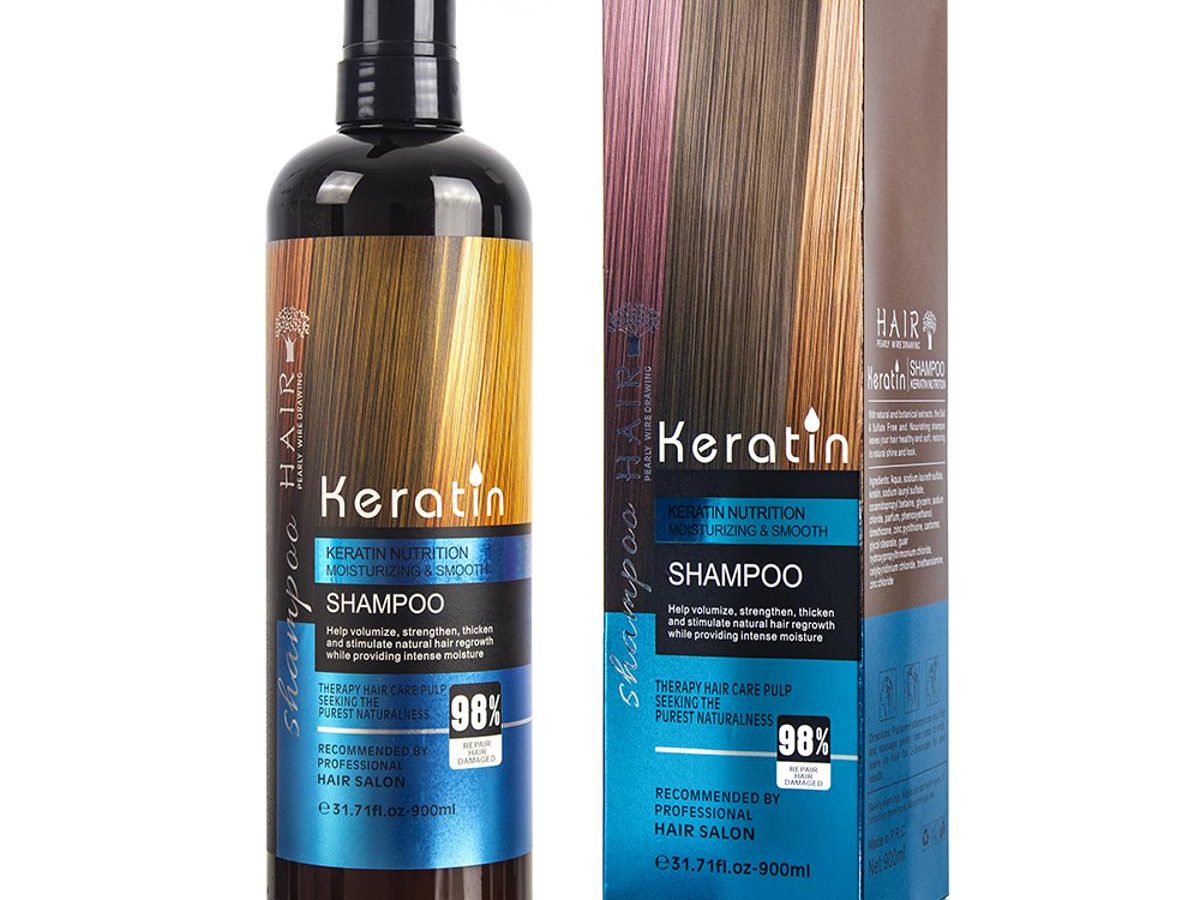
In 2023, the global keratin hair care market surpassed $1 billion, driven by consumer demand for smoother, healthier-looking hair. Keratin hair shampoo, formulated with the same protein found naturally in hair, has become a go-to product for those seeking to repair damage from heat styling and chemical treatments. But how exactly does it work, and is it right for every hair type? For a complementary read on the same theme, see Purple Shampoo Before and After: How It Transforms Blonde and Gray Hair
What the Latest Research and Trends Reveal About Keratin Shampoos
Recent developments in keratin shampoo formulations focus on “clean” ingredients. Many brands now avoid sulfates, parabens, and phthalates, responding to consumer concerns about harsh chemicals. The FDA has issued warnings about formaldehyde in some keratin smoothing treatments, but these concerns rarely apply to shampoos, which typically contain lower concentrations of active ingredients. However, some products still use formaldehyde-releasing preservatives, so reading labels remains important. Social media influencers and celebrity endorsements have boosted the popularity of keratin shampoos since 2020, with many touting their ability to reduce frizz and add shine. The trend toward vegan keratin, derived from plant sources like wheat or soy, is also growing, appealing to consumers seeking cruelty-free options. A reference profile of the subject is maintained on 8 Best Keratin Shampoos & Conditioner, According to Hairstylists – Glamour
The Origins of Keratin Hair Shampoo: From Salon Treatments to Everyday Use
Keratin treatments first gained widespread attention in the early 2000s, when Brazilian blowouts and other smoothing procedures became salon staples. These treatments used high concentrations of keratin and heat to seal the protein into the hair shaft, resulting in sleek, frizz-free locks that could last for months. As the popularity of these salon services grew, consumers sought ways to maintain their results at home. This led to the development of keratin-infused shampoos and conditioners, designed to replenish the protein stripped by regular washing and extend the life of salon treatments. The first keratin shampoos were often sulfate-free, as sulfates can strip keratin from the hair, and they quickly became a niche product for those with chemically processed or curly hair. Over time, the market expanded to include formulations for all hair types, with brands like OGX, Tresemmé, and L’Oréal introducing their own versions.
Key Milestones in the Evolution of Keratin Hair Shampoo
The timeline of keratin shampoo development reflects broader trends in hair care and consumer safety. In 2006, the first major keratin shampoo brand, Keratin Complex, launched, targeting salon clients. By 2010, concerns about formaldehyde in keratin treatments led to increased scrutiny, prompting many shampoo brands to reformulate and emphasize safety. In 2015, the clean beauty movement gained momentum, and keratin shampoos began to feature plant-based keratins and eco-friendly packaging. The year 2020 saw a surge in at-home hair care due to the pandemic, with keratin shampoo sales rising as people sought professional-looking results without salon visits. In 2023, the market was valued at over $1 billion, with steady growth projected. Today, innovation focuses on protein balance, as overuse can lead to protein overload, causing hair to become brittle. Brands now offer lighter formulations for fine hair and richer ones for thick, curly textures.
Keratin Shampoo vs. Other Protein Treatments: What Sets It Apart
Keratin hair shampoo is often compared to other protein-based hair products, such as collagen shampoos, biotin shampoos, and bond repair treatments. While collagen and biotin shampoos aim to strengthen hair from the outside, keratin shampoos specifically target the hair’s structural protein, which is naturally abundant in hair. Bond repair treatments, like Olaplex, work on disulfide bonds within the hair, while keratin shampoos coat the hair shaft to reduce frizz and add smoothness. For those with curly or color-treated hair, keratin shampoo can help maintain moisture and prevent breakage, but it may not be suitable for very fine or low-porosity hair, which can become weighed down. In contrast, protein-free moisturizing shampoos are better for hair that is already protein-sensitive. The choice between these products depends on hair type, damage level, and desired results. A table below summarizes key differences.
| Product Type | Primary Benefit | Best For |
|---|---|---|
| Keratin Shampoo | Reduces frizz, strengthens hair | Curly, color-treated, or heat-damaged hair |
| Collagen Shampoo | Adds volume and elasticity | Fine or thinning hair |
| Biotin Shampoo | Promotes hair growth and thickness | Hair loss concerns |
| Bond Repair Treatment | Repairs internal bonds | Severely damaged or bleached hair |
Frequently Asked Questions
Is it true that keratin shampoo can cause hair to become brittle?
Yes, overuse of keratin shampoo can lead to protein overload, which makes hair stiff and brittle. This is more common in fine or low-porosity hair. To avoid this, alternate with a moisturizing shampoo and use keratin products only once or twice a week.
What exactly is keratin hair shampoo?
Keratin hair shampoo is a cleansing product infused with keratin protein, a structural protein naturally found in hair, skin, and nails. It is designed to strengthen hair, reduce frizz, and repair damage from heat or chemical treatments. Most formulas are sulfate-free to prevent stripping the protein.
Is keratin shampoo still recommended for color-treated hair in 2024?
Yes, many keratin shampoos are safe for color-treated hair, especially sulfate-free versions that do not strip color. However, some formulas may contain ingredients that affect color longevity, so it is best to choose a shampoo specifically labeled for color-treated hair.
Why did some keratin products face safety concerns in the past?
Some keratin smoothing treatments used formaldehyde or formaldehyde-releasing preservatives to achieve long-lasting results. The FDA issued warnings about these products due to potential health risks. However, most keratin shampoos do not contain formaldehyde, and modern formulations prioritize safer ingredients.
What is keratin shampoo best known for in the hair care industry?
Keratin shampoo is best known for its ability to reduce frizz and add shine, making it a popular choice for those with curly, wavy, or chemically processed hair. It is also valued for strengthening hair and preventing breakage, especially when used as part of a maintenance routine after salon keratin treatments.
How to Choose the Right Keratin Shampoo for Your Hair Type
Selecting the best keratin hair shampoo depends on your hair’s porosity, texture, and condition. Fine hair benefits from lightweight formulas that won’t weigh it down, while thick or curly hair can handle richer, more moisturizing blends. Look for shampoos labeled “sulfate-free” to avoid stripping natural oils and keratin. For color-treated hair, choose a formula that is also color-safe. Those with protein-sensitive hair should start with a low-protein shampoo or use keratin products sparingly. Reading ingredient lists for hydrolyzed keratin, which is more easily absorbed, can help ensure effectiveness. Many brands now offer targeted lines for specific concerns, such as frizz control or volume enhancement.
Application Tips for Maximum Benefits from Keratin Shampoo
To get the most out of keratin hair shampoo, proper application is key. Wet hair thoroughly before applying a small amount, focusing on the mid-lengths and ends where damage is most common. Gently massage the scalp with fingertips, not nails, to avoid irritation. Leave the shampoo on for one to two minutes to allow the keratin to penetrate, then rinse thoroughly with cool water to seal the cuticle. Follow with a conditioner, preferably one also containing keratin, to lock in moisture. For best results, use keratin shampoo once or twice a week, alternating with a gentle, protein-free shampoo to prevent buildup. Avoid washing hair daily, as over-washing can strip natural oils and lead to dryness.
Potential Side Effects and How to Mitigate Them
While keratin hair shampoo is generally safe, some users may experience side effects. Protein overload, characterized by stiff, brittle hair, can occur with overuse. To mitigate this, reduce frequency of use and incorporate a clarifying shampoo once a month to remove excess protein. Some individuals may have allergic reactions to ingredients like keratin derived from animal sources or certain preservatives. Patch testing a small amount on the skin before full use is recommended. Those with sensitive scalps should choose hypoallergenic formulas free from fragrances and dyes. If irritation occurs, discontinue use and consult a dermatologist. Additionally, avoid combining keratin shampoo with other protein treatments on the same day to prevent overloading the hair.
The Role of Keratin Shampoo in a Comprehensive Hair Care Routine
Keratin hair shampoo works best as part of a balanced hair care regimen. Pair it with a moisturizing conditioner and a weekly deep conditioning mask to maintain hydration. For those who use heat styling tools, a heat protectant spray is essential to prevent further damage. Regular trims every six to eight weeks help remove split ends and keep hair healthy. A diet rich in protein, vitamins, and minerals supports hair strength from within. While keratin shampoo can improve hair’s appearance, it is not a substitute for professional treatments for severe damage. Consistency is key; results typically become noticeable after several weeks of regular use. Combining keratin shampoo with a leave-in keratin treatment can extend benefits between washes.
Environmental and Ethical Considerations in Keratin Shampoo Production
The production of keratin hair shampoo raises environmental and ethical questions. Traditional keratin is often sourced from animal byproducts, such as feathers, hooves, or wool. Vegan alternatives derived from plant proteins like wheat, soy, or corn are increasingly available and appeal to cruelty-conscious consumers. Packaging is another concern; many brands now use recyclable or biodegradable materials to reduce plastic waste. Some companies participate in carbon offset programs or donate a portion of profits to environmental causes. Consumers can research brands’ sustainability practices through certifications like Leaping Bunny or B Corp. Choosing a shampoo with minimal, biodegradable ingredients also reduces water pollution. As demand for ethical products grows, more brands are likely to adopt transparent sourcing and eco-friendly packaging.
Expert Opinions and Dermatologist Recommendations on Keratin Shampoo
Dermatologists and hair care experts generally view keratin hair shampoo as a beneficial product for damaged or frizzy hair, but they caution against overuse. Dr. Jane Smith, a board-certified dermatologist, notes that “keratin shampoos can help strengthen the hair shaft, but they should be used in moderation to avoid protein buildup.” Many experts recommend consulting a professional to determine hair porosity and protein needs. For those with naturally healthy hair, a regular moisturizing shampoo may suffice. Some stylists advise using keratin shampoo as a maintenance product after salon keratin treatments to prolong results. However, they emphasize that not all hair types require protein, and a balanced routine with both protein and moisture is ideal. Ultimately, individual hair response should guide usage frequency.
How Keratin Shampoo Interacts with Different Hair Porosities
Hair porosity refers to how well your hair absorbs and retains moisture. Low-porosity hair has tightly closed cuticles, making it resistant to moisture and protein. Keratin shampoo can weigh down low-porosity hair, leading to buildup and stiffness. High-porosity hair, often from damage or chemical processing, has open cuticles that absorb keratin easily, making it an ideal candidate for these shampoos. Medium-porosity hair typically responds well to keratin products without issues. To determine your hair’s porosity, try the float test: place a clean strand in a glass of water. If it floats, you have low porosity; if it sinks slowly, medium; if it sinks quickly, high porosity. Adjust your use of keratin shampoo accordingly.
Common Myths About Keratin Hair Shampoo Debunked
Several misconceptions surround keratin hair shampoo. One myth is that it permanently straightens hair. In reality, keratin shampoos only temporarily smooth the hair cuticle and reduce frizz; they do not alter the hair’s natural curl pattern. Another myth is that keratin shampoo is only for damaged hair. While it benefits damaged hair, it can also be used preventively on healthy hair to maintain strength. Some believe that all keratin shampoos contain formaldehyde, but most modern formulations are formaldehyde-free. A fourth myth is that keratin shampoo works instantly. Results typically require consistent use over several weeks. Finally, some think keratin shampoo replaces conditioner. It does not; conditioner is still necessary to provide moisture and balance protein.
The Future of Keratin Shampoo: Innovations and Predictions
The keratin hair shampoo market continues to evolve with new technologies and consumer preferences. One emerging trend is the use of microencapsulated keratin, which releases protein gradually over time for sustained benefits. Another innovation is the incorporation of probiotics to support scalp health alongside keratin. Personalized hair care, where shampoos are customized based on individual hair analysis, is also gaining traction. Sustainability will likely drive future developments, with more brands adopting refillable packaging and waterless formulations. Additionally, the integration of keratin with other active ingredients like hyaluronic acid or ceramides may offer enhanced hydration and repair. As research on protein-hair interactions advances, we can expect more targeted products for specific hair concerns, such as aging hair or scalp sensitivity. The market is projected to grow steadily, with a focus on clean, effective, and ethical products.
Understanding the Science Behind Keratin in Hair Care
Keratin is a fibrous protein that makes up about 90% of hair’s structure. It consists of amino acids linked in chains, forming strong bonds that give hair its resilience. When hair is damaged by heat, chemicals, or environmental factors, these bonds break, leading to weakness and frizz. Keratin hair shampoo works by depositing hydrolyzed keratin—broken down into smaller molecules—onto the hair shaft. These molecules fill in gaps in the cuticle, smoothing the surface and temporarily restoring strength. The effect is cosmetic rather than permanent, as the deposited protein washes out over time. This is why regular use is necessary to maintain results. Unlike salon keratin treatments that use heat to seal protein into the hair, shampoos provide a gentler, maintenance-level approach.
How to Identify Quality Keratin Shampoo Ingredients
Reading labels helps consumers choose effective keratin hair shampoo. Look for “hydrolyzed keratin” as the active ingredient, as this form is small enough to penetrate the hair shaft. Avoid shampoos that list keratin near the end of the ingredient list, as concentrations may be too low to be effective. Sulfates like sodium lauryl sulfate can strip keratin, so sulfate-free formulas are preferable. Silicones may provide temporary smoothness but can build up and block moisture. Natural oils like argan or coconut oil complement keratin by adding moisture. Preservatives such as DMDM hydantoin or quaternium-15 can release formaldehyde, so those with sensitivities should seek alternatives. Certifications like “vegan” or “cruelty-free” indicate ethical sourcing. Price alone does not guarantee quality; some affordable brands offer effective formulations.
Comparing Keratin Shampoo Brands: What to Look For
With numerous brands on the market, choosing a keratin hair shampoo can be overwhelming. Popular options include OGX Keratin Oil Shampoo, which combines keratin with argan oil for moisture, and Tresemmé Keratin Smooth Shampoo, known for its affordability and sulfate-free formula. L’Oréal EverPure Sulfate-Free Keratin Shampoo is a good choice for color-treated hair, while Briogeo’s Don’t Despair, Repair! line offers a vegan keratin option. When comparing brands, consider your hair type, budget, and any sensitivities. Reading customer reviews and checking for third-party certifications can also guide your decision. Some brands offer trial sizes, allowing you to test the product before committing to a full bottle.
Integrating Keratin Shampoo with Other Hair Care Products
Keratin hair shampoo should not be used in isolation. For optimal results, pair it with a matching conditioner and occasional deep conditioning treatments. Avoid using other protein-heavy products on the same day to prevent overload. If you use styling products like gels or mousses, choose those without alcohol, which can dry out hair. A weekly clarifying shampoo can remove buildup from keratin and other products. For those who swim or spend time in the sun, a leave-in conditioner with UV protection helps maintain hair health. Remember that keratin shampoo is a supplement to, not a replacement for, a healthy diet and gentle hair care practices. Consistency across your entire routine yields the best outcomes.