
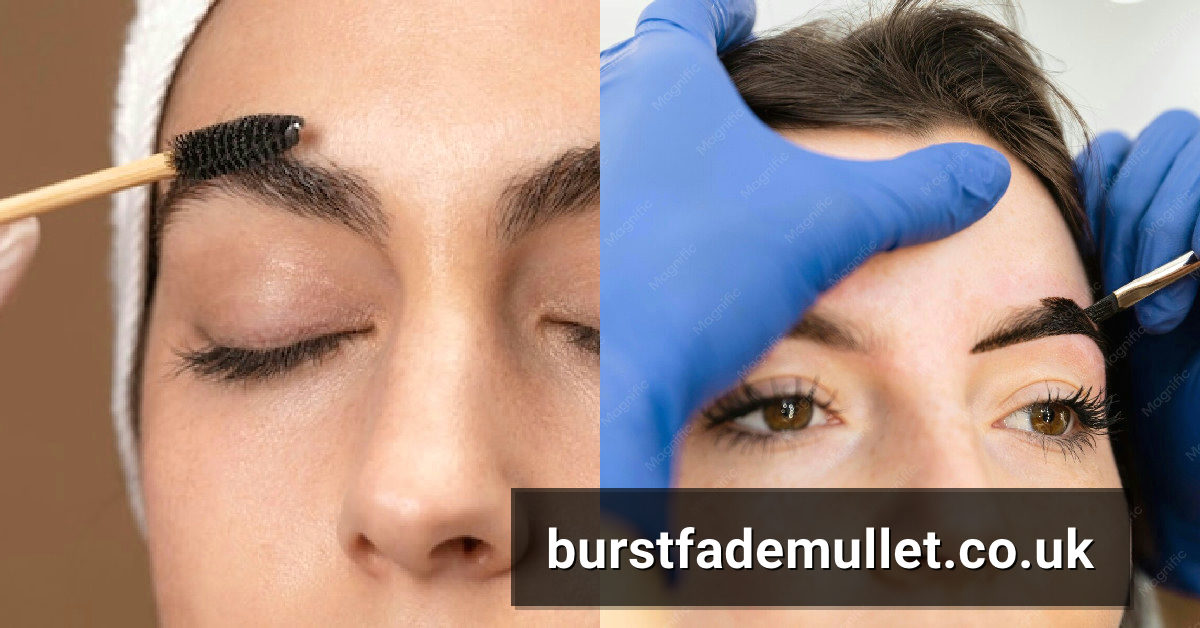
In the mid-2010s, bold eyebrows became a defining beauty standard. Cara Delevingne and Lily Collins helped popularize natural, full brows. This shift drove demand for professional eyebrow treat options. Today, the global eyebrow grooming market is valued at over $1 billion.
How Microblading and Threading Changed Eyebrow Grooming
Microblading emerged as a semi-permanent tattooing technique in the 2010s. A technician uses a handheld tool with fine needles to deposit pigment into the skin. The result mimics natural hair strokes. The procedure typically lasts 1-3 years before fading. It requires a touch-up after 4-6 weeks. Eyebrow threading, an ancient method from India and the Middle East, uses twisted cotton thread to remove hair at the follicle level. It offers precise shaping without chemicals. Both techniques gained popularity as alternatives to waxing and tweezing. Over-plucking in the 1990s and 2000s left many with sparse brows, fueling interest in these treatments.
Practical Steps for Choosing the Right Eyebrow Treatment
Start by assessing your brow goals. For a natural, fuller look, microblading is a strong option. If you want a temporary color boost, eyebrow tinting uses semi-permanent dye that lasts 2-4 weeks. Henna brows, popular since the late 2010s, provide longer-lasting color—up to 6 weeks—and are plant-based. For a brushed-up, feathered style, brow lamination emerged around 2019. It involves perming the brow hairs upward and setting them with a neutralizer. Prices for lamination range from $50 to $150 per session. Always request a patch test 48 hours before any tinting or henna treatment to check for allergic reactions. We recommend consulting a licensed esthetician to discuss your skin type and desired outcome.
Timeline of Key Eyebrow Treatment Milestones
Eyebrow transplants, a surgical option for sparse brows, have been performed since the early 2000s. The procedure involves transplanting hair follicles from the scalp to the brow area. In 2018, the “soap brow” trend gained traction on social media, where people used soap to set brows in place. By 2019, brow lamination became a top salon service. In 2024, it remains highly popular. The rise of bold brows in the 2010s also spurred the development of brow growth serums. These products often contain peptides and biotin to stimulate hair growth. The global market for brow grooming continues to expand, driven by social media trends and celebrity influence.
Expert Insights on Safety and Allergic Reactions
According to dermatologists, eyebrow treatments carry risks. Allergic reactions to pigments or adhesives can occur. Patch tests are recommended before tinting, henna, or lamination. Microblading involves breaking the skin, which poses infection risks if not done in a sterile environment. The weaker claim here is that all treatments are safe for everyone—individual skin sensitivities vary. A 2023 survey by the American Academy of Dermatology noted that adverse reactions to cosmetic tattooing are underreported. Consumers should verify that their technician uses single-use needles and follows hygiene protocols. For henna, ensure the product is natural; some black henna contains PPD, which can cause severe allergic reactions.
Frequently Asked Questions
How can I prepare for an eyebrow tinting session?
Avoid using retinol or exfoliating acids on the brow area for 24 hours before the appointment. Arrive with clean, makeup-free brows. The technician will apply a protective barrier around the brows to prevent staining.
What is the difference between microblading and eyebrow tattooing?
Microblading uses a manual tool to create fine, hair-like strokes, while traditional eyebrow tattooing uses a machine to deposit pigment in a solid fill. Microblading results look more natural but fade faster, typically within 1-3 years.
Where was eyebrow threading first practiced?
Eyebrow threading originated in India and the Middle East. It has been used for centuries as a precise hair removal method. The technique spread globally in the 1990s and is now common in salons worldwide. A reference profile of the subject is maintained on Every Brow Treatment Explained, From Shading to Lamination
Who is a good candidate for an eyebrow transplant?
Individuals with sparse or over-plucked brows due to genetics, aging, or scarring are ideal candidates. A consultation with a dermatologist or surgeon is necessary to assess hair follicle availability and overall health.
Why did the soap brow trend become popular in 2018?
The soap brow trend gained popularity on social media platforms like Instagram and YouTube. It offered a low-cost, temporary way to achieve a laminated look using soap and a spoolie. The trend highlighted the desire for fluffy, natural-looking brows.
How to Maintain Results Between Treatments
Proper aftercare extends the life of your eyebrow treatment. For microblading, keep the area dry for 7-10 days and apply a healing ointment as directed. Avoid sun exposure and heavy sweating during healing. For tinted brows, use oil-free cleansers to prevent premature fading. Brow lamination requires avoiding water and steam for 24-48 hours. Regular brushing with a spoolie helps maintain the shape. Scheduling maintenance appointments every 4-6 weeks for tinting or 6-8 weeks for lamination keeps brows looking fresh. For microblading, annual touch-ups are typical.
Comparing Costs and Longevity of Popular Treatments
Eyebrow treatments vary widely in price and duration. Microblading costs $300-$800 and lasts 1-3 years. Eyebrow tinting ranges from $20-$50 per session and lasts 2-4 weeks. Henna brows cost $30-$60 and last up to 6 weeks. Brow lamination is $50-$150 and lasts 4-6 weeks. Threading is the most affordable at $10-$25 per session, with results lasting 2-4 weeks. Eyebrow transplants are a permanent solution but cost $3,000-$8,000. Choosing the right option depends on your budget, desired longevity, and maintenance commitment.
Emerging Trends in Eyebrow Treatments for 2025
Beauty experts predict several innovations on the horizon. Nanoblading, a refined version of microblading using even finer needles, offers more precise hair strokes. Powder brows, also known as ombré brows, create a soft, powdered makeup effect using a stippling technique. This method suits oily skin types better than microblading. Hybrid brows combine microblading and shading for a multidimensional look. At-home brow tinting kits have also improved in formulation, making professional-quality results more accessible. Social media continues to drive demand for fluffy, natural brows, with influencers showcasing new products and techniques weekly.
Understanding Skin Types and Treatment Suitability
Not every treatment works for every skin type. Oily skin tends to cause microblading strokes to blur or fade faster, making powder brows a better choice. Dry skin holds pigment well but may require more frequent touch-ups. Sensitive skin benefits from gentler methods like threading or henna, which avoid harsh chemicals. A consultation with a licensed professional helps determine the best approach based on your skin’s oil production, thickness, and sensitivity. Patch tests remain essential for tinting and lamination to prevent adverse reactions.