
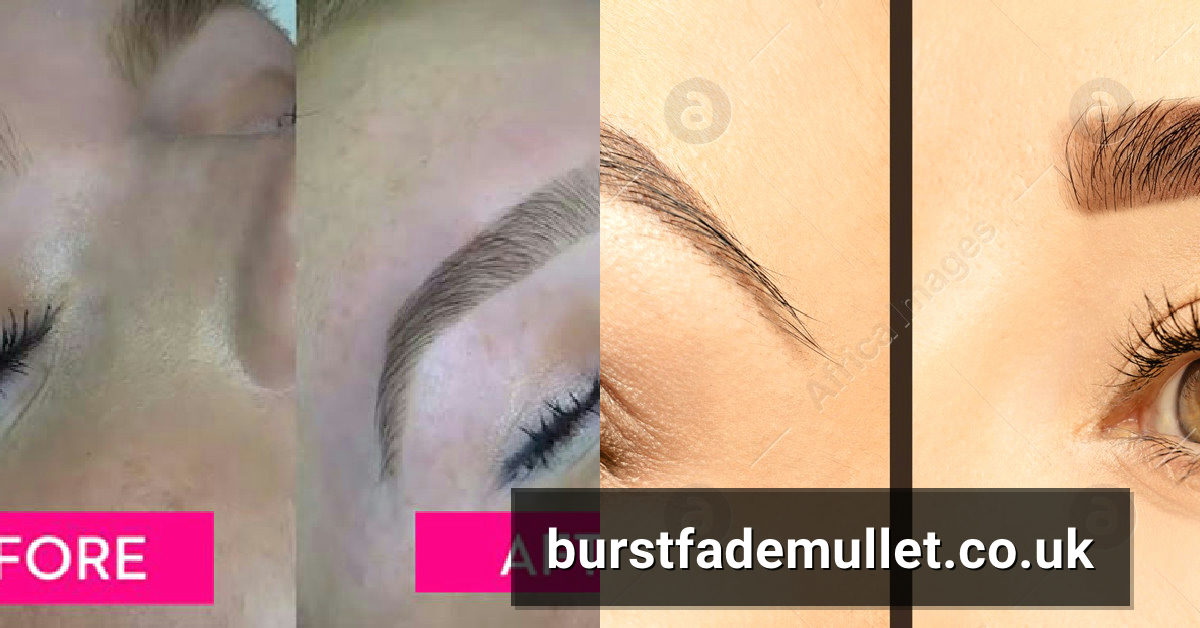
You have seen the side-by-side photos on social media: pale, uneven brows on the left, dark, sculpted arches on the right. The transformation looks dramatic, but the reality of eyebrow dyeing is more nuanced than a single swipe of tint. Unlike a haircut or a shave, the change is temporary and depends heavily on your natural hair color, skin type, and the product used. Here is what the before-and-after images rarely explain.
Regulatory and Safety Concerns Around Eyebrow Tinting
Eyebrow dyeing falls under cosmetic regulation in most countries, but the rules vary. In the United States, the FDA does not approve color additives for dyeing eyebrows or eyelashes — a stance dating back to 1938 after reports of severe eye injuries. The agency considers the area too sensitive for permanent or semi-permanent dyes that contain coal-tar ingredients. In the European Union, the Cosmetics Regulation (EC) No 1223/2009 restricts PPD (paraphenylenediamine) to a maximum concentration of 2% in oxidative hair dyes, but the same limit applies to brow tints. The weaker claim here is that home kits are automatically safe because they are sold over the counter. Patch tests, recommended 48 hours before application, are not legally required in most jurisdictions, leaving the burden on the consumer. Eyebrow Tinting: Benefits, Cost, Before and After Photo – Byrdie keeps a longer factual record of the subject for those who want more
Tools and Products Used by Professionals and DIY Users
Professional salons typically use dedicated brow tints from brands like RefectoCil or Eylure, which come in cream or gel formulas. The process involves mixing a small amount of dye with an oxidizing developer, applying it with a fine-tipped brush, and leaving it on for 2 to 10 minutes depending on the desired intensity. Home kits, such as Just for Men Beard and Brow Dye (repurposed by many users) or Godefroy Instant Eyebrow Tint, became widely available in the 1990s and remain popular. A 2023 survey by the market research firm Mintel found that 18% of UK women had used an at-home brow tint in the previous year. The tools are simple: a spoolie to brush brows into place, petroleum jelly to protect the skin, and a timer. But the methodology matters. Over-application on oily skin can lead to patchy results or temporary staining that lasts days. Social media tutorials on TikTok and Instagram, which exploded in 2020, often skip the patch test step — a detail that professionals consider non-negotiable.
Behind the Scenes: How the Dyeing Process Actually Works
The chemistry is straightforward: semi-permanent dyes contain small color molecules that penetrate the hair shaft’s cuticle. On fine brow hairs, the effect is visible within minutes. The “before” state — sparse, light, or uneven brows — is often the result of genetics, over-plucking, or aging. The “after” shows fuller, more defined arches because the dye coats each hair, making it appear thicker. But the process does not create new hair; it only colors what is there. For people with very light or white brows, the contrast can be stark. For those with naturally dark brows, the change is subtle — more about shaping than color. The dye typically lasts 2 to 6 weeks, fading gradually as the hair sheds and the color molecules wash out. Sun exposure, exfoliating skincare products, and frequent face washing accelerate fading. One mild opinion: the most honest before-and-after photos are those taken in the same lighting, without brow gel or lamination — a standard that many influencers do not follow.
Current Trends and What Comes Next for Eyebrow Dyeing
As of 2024, the trend has shifted away from the solid, dark tints of the 2010s. The “feathered” or “soap brow” look, popularized by celebrities like Cara Delevingne and Zendaya, favors a brushed-up, natural texture over a flat block of color. This has led to a rise in combination treatments: tinting followed by lamination, which sets the hairs in place for up to 8 weeks. Some salons now offer “brow mapping” — a digital or manual measurement of the ideal arch — before dyeing. On the DIY front, brands are releasing gentler formulas with lower PPD concentrations or PPD-free alternatives, such as henna-based tints. The long-term outlook is uncertain: if the FDA ever updates its 1938 stance, the market could see new products with different safety profiles. For now, the before-and-after remains a staple of beauty content, but the informed viewer knows to look beyond the image.
Frequently Asked Questions
Why does eyebrow dye sometimes cause skin irritation?
Irritation is often linked to PPD, a common allergen in semi-permanent dyes. The skin around the brows is thinner and more absorbent than the scalp, increasing the risk. A patch test 48 hours before application can identify sensitivity, but many users skip it.
What is a good alternative to chemical eyebrow dye?
Henna-based tints are a popular PPD-free option, though they may not last as long — typically 1 to 3 weeks. Brow powders and pencils offer a non-permanent alternative for daily use, with no chemical exposure.
When did eyebrow tinting become a mainstream beauty practice?
Modern eyebrow tinting gained traction in the 1920s, when film actresses like Clara Bow popularized bold, defined brows. At-home kits became widely available in the 1990s, and social media tutorials drove a resurgence around 2020.
Is it safe to dye eyebrows at home without professional training?
Home dyeing carries risks, including allergic reactions, eye irritation, and uneven results. Following the product’s instructions and performing a patch test reduces but does not eliminate these risks. The FDA advises against any dyeing of brows or lashes due to safety concerns.
Where can I find reliable before-and-after examples of eyebrow dyeing?
Social media platforms like Instagram and TikTok have many examples, but the quality and honesty vary widely.