
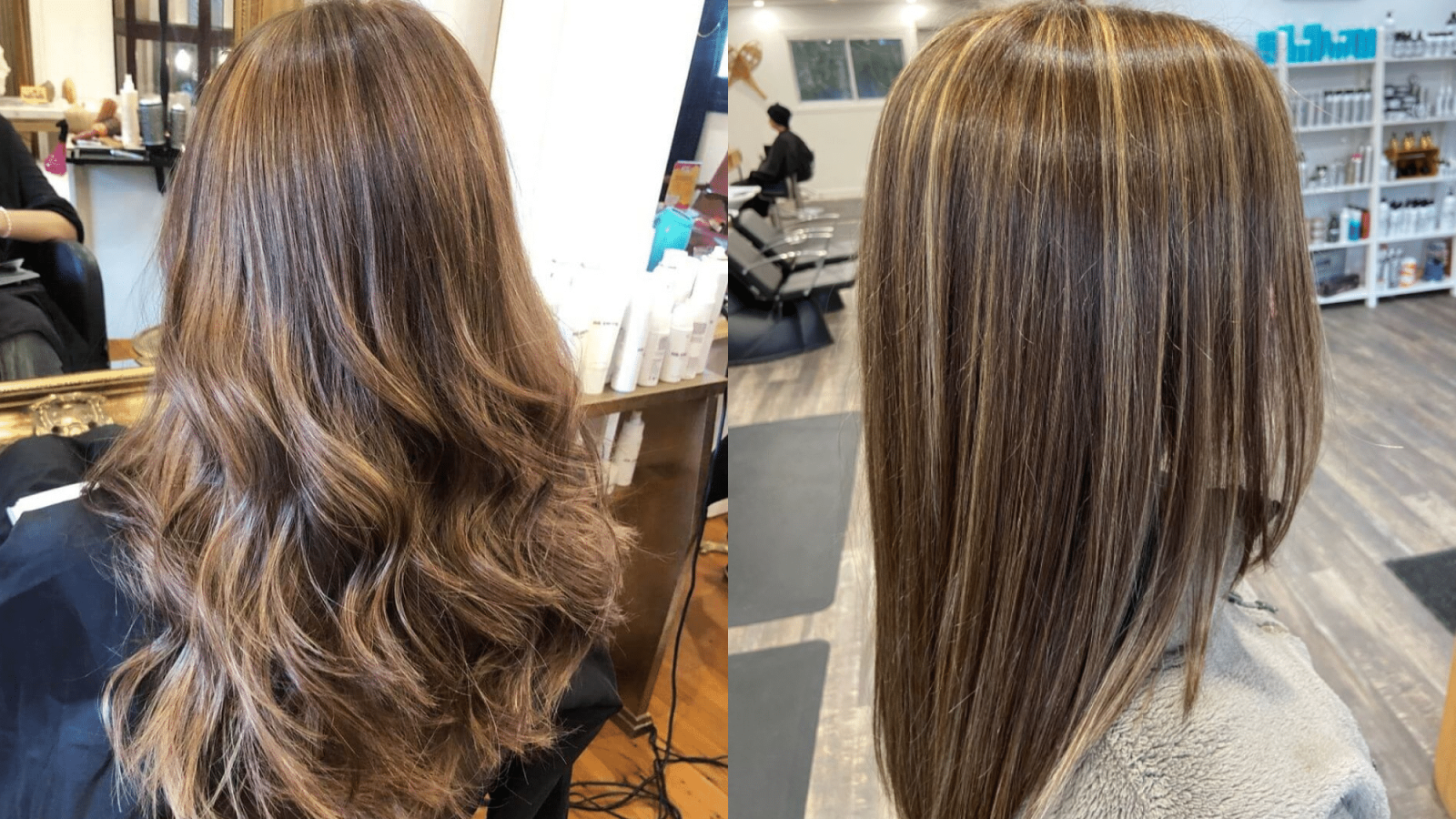
What exactly are full head highlights, and are they right for you? Full head highlights involve lightening hair from roots to ends across the entire head, creating a uniform blonde or lighter look. This technique gained popularity in the 1970s with the rise of foil highlighting and remains a top salon service today.
Common Misconceptions About Full Head Highlights Clarified
Many people confuse full head highlights with partial highlights or balayage. A full head highlight covers every section of hair, while a partial highlight focuses on the top and front layers. Another misconception is that full head highlights always look unnatural. In reality, modern stylists use techniques like foils or balayage to create varied, lived-in tones that mimic natural sun-lightened hair. Public records covering this story are gathered in What's the Difference Between Partial and Full Highlights? – Byrdie
Some believe full head highlights are only for blondes. However, they can be done on any hair color to add dimension or lighten overall shade. The process typically takes 2 to 4 hours, depending on hair length and thickness. It requires more product and time than partial highlights, which is why it costs more.
There is also a myth that full head highlights are extremely damaging. While any chemical process carries risk, professional stylists assess hair health beforehand and use bond-building treatments to minimize damage. Over-processing risks include breakage, especially with high-lift bleach on fine or previously processed hair. A consultation is essential to determine if your hair can handle the procedure.
Another common misunderstanding is that full head highlights require monthly touch-ups. In fact, maintenance is typically every 6 to 8 weeks to address regrowth. Some clients stretch to 10 weeks with root-smudging techniques. The lived-in look trend of 2024 actually encourages longer intervals between appointments.
Finally, some think full head highlights are only for long hair. They work on all lengths, from pixie cuts to waist-length hair. Shorter hair may require less product and time, but the technique remains the same. The key is a skilled stylist who can place highlights strategically for a flattering result.
The Origin and Evolution of Full Head Highlighting Techniques
The history of hair highlighting dates back centuries, but the modern full head highlight as we know it emerged in the 1970s. Before then, women used lemon juice or chamomile to lighten hair in the sun. The invention of foil highlighting revolutionized the industry, allowing precise placement and more dramatic lightening.
In the 1970s, salons began offering full head foil highlights as a premium service. The technique involved weaving thin sections of hair and wrapping them in foil with bleach or lightener. This created a uniform, all-over blonde look that became synonymous with glamour. Celebrities like Farrah Fawcett popularized the feathered, highlighted style.
The 1990s saw the rise of chunky highlights, where thicker sections were lightened for a bolder contrast. This trend faded in the 2000s as more natural, blended looks gained favor. Balayage, a French freehand painting technique, emerged as an alternative to foils. It allowed softer, less uniform lightening that mimicked sun-kissed hair.
Celebrity stylists like Tracey Cunningham and Guy Tang advanced highlighting methods in the 2010s. Cunningham, known for her work with celebrities like Jennifer Lopez, popularized the “lived-in” color that blends highlights with lowlights. Tang developed vivid color techniques that expanded the possibilities for full head highlights beyond blonde.
Today, full head highlights can be achieved with foils, balayage, or a combination of both. The choice depends on the desired result: foils offer more lift and uniformity, while balayage provides a softer, more natural gradient. Many stylists use a hybrid approach for the best of both worlds.
The technique has also evolved to include bond-building additives like Olaplex, which protect hair during lightening. This innovation has made full head highlights safer for more hair types, including previously colored or damaged hair. The trend toward healthier hair has influenced the industry, with salons emphasizing conditioning treatments alongside color services.
Timeline of Key Milestones in Full Head Highlighting
| Year | Milestone |
|---|---|
| 1970s | Foil highlighting becomes popular, enabling precise full head lightening. |
| 1990s | Chunky highlights trend; full head highlights become a mainstream salon service. |
| 2000s | Balayage gains popularity as a softer alternative to foils. |
| 2010s | Bond-building treatments (e.g., Olaplex) reduce damage from lightening. |
| 2024 | Lived-in tones and hybrid foil-balayage techniques dominate trends. |
The 1970s marked the birth of the modern full head highlight. Before foils, lightening was imprecise and often uneven. The foil method allowed stylists to isolate strands and apply lightener evenly, resulting in a consistent lift from root to tip. This technique quickly became a staple in salons worldwide.
In the 1990s, full head highlights became more accessible as prices dropped and demand grew. Salons began offering them as a standard service, and at-home kits emerged. However, professional results remained superior due to the skill required for placement and timing.
The 2000s introduced balayage, which changed the landscape of highlighting. Balayage allowed for a more natural, sun-kissed effect without the harsh regrowth lines of traditional foils. Many clients began requesting balayage for full head coverage, leading to the term “full balayage.”
The 2010s saw a focus on hair health. Bond-building additives like Olaplex became standard in many salons, allowing stylists to lighten hair more safely. This innovation made full head highlights possible for clients with fine or damaged hair who previously could not undergo the process.
In 2024, the trend is toward lived-in, low-maintenance color. Full head highlights are often paired with root smudging or shadow roots to soften regrowth. The goal is a seamless blend that grows out gracefully, reducing the need for frequent touch-ups. This approach appeals to busy clients who want a polished look with less salon time.
Current Status and Future Trends for Full Head Highlights
As of 2024, full head highlights remain a top salon service, with demand driven by the desire for bright, dimensional color. The cost ranges from $150 to $500 or more, depending on salon location, stylist expertise, and hair length. Major cities like New York and Los Angeles command higher prices, while smaller towns may offer more affordable rates.
The technique has evolved to accommodate various hair types and textures. Stylists now use a combination of foils and balayage to achieve customized results. For example, a client with thick, coarse hair may benefit from foils for maximum lift, while someone with fine hair might prefer balayage for a softer effect.
Damage prevention remains a priority. Professional consultations assess hair health, porosity, and previous color history. Stylists recommend bond-building treatments and deep conditioning before and after the service. Some salons offer Olaplex as an add-on to minimize breakage.
Looking ahead, experts predict a continued emphasis on natural-looking, low-maintenance color. The “lived-in” trend shows no signs of fading, with clients requesting highlights that blend seamlessly with their base color. Root smudging and baby lights (very fine highlights) are popular techniques that achieve this effect.
Technology is also playing a role. Digital color matching tools help stylists formulate custom shades, while virtual try-on apps allow clients to preview results before committing. These innovations make the process more precise and satisfying for clients.
Another emerging trend is the use of plant-based lighteners and ammonia-free formulas. As consumers become more ingredient-conscious, salons are offering gentler alternatives that still deliver lift. While these products may require longer processing times, they appeal to clients seeking a more natural approach.
Full head highlights are also being adapted for textured hair. Stylists trained in curly and coily hair techniques can place highlights to enhance natural curl patterns without causing excessive damage. This inclusivity is expanding the market and making the service accessible to a broader range of clients.
In summary, full head highlights continue to evolve with advances in technique, products, and client preferences. The focus on health, customization, and low maintenance ensures their enduring popularity. Whether you choose foils, balayage, or a hybrid, a skilled stylist can help you achieve the look you want while keeping your hair healthy.
Frequently Asked Questions
Where can I get full head highlights done professionally?
Full head highlights are offered at most professional salons. Look for a stylist specializing in color services, and check their portfolio for examples of highlighting work. High-end salons in major cities often charge more, but independent stylists may offer competitive rates. Always book a consultation first to discuss your goals and hair health.
Is it true that full head highlights cause more damage than partial highlights?
This is partly true. Full head highlights involve lightening more hair, so the overall chemical exposure is greater. However, damage depends on the products used, the stylist’s skill, and your hair’s condition. Bond-building treatments and proper aftercare can minimize risks. Partial highlights are less intensive but still require care.
How many sessions does it take to achieve full head highlights on dark hair?
For very dark or previously colored hair, it may take 2 to 3 sessions to reach a desired lightness without excessive damage. Each session should be spaced 4 to 6 weeks apart to allow hair to recover. A skilled stylist will assess your hair’s response and adjust the plan accordingly.
How does a full head highlight differ from a partial highlight?
A full head highlight lightens hair from roots to ends across the entire head, while a partial highlight focuses on the top and front sections. Full highlights create a more uniform, all-over lighter look and cost more due to the extra time and product. Partial highlights are more subtle and budget-friendly.
What is the lasting impact of full head highlights on hair health?
With proper care, full head highlights can be maintained without long-term damage. Regular deep conditioning, protein treatments, and avoiding excessive heat styling help preserve hair integrity. However, repeated lightening over years can lead to cumulative damage, so it’s important to give hair breaks between services and use bond-strengthening products.
How to Prepare for a Full Head Highlight Appointment
Proper preparation can make a significant difference in the outcome of your full head highlight service. Start by arriving with clean, dry hair that has not been washed for 24 to 48 hours. This allows natural oils to protect your scalp during the lightening process. Avoid using heavy styling products like gels or oils, as they can interfere with the lightener’s absorption.
Bring reference photos to your consultation. Images of the exact shade and placement you desire help your stylist understand your vision. Be realistic about what can be achieved based on your current hair color and condition. A good stylist will explain what is possible and suggest alternatives if needed.
Discuss your hair history honestly. Inform your stylist about any previous color treatments, including box dyes, henna, or keratin treatments. Some products can react unpredictably with lightener, leading to uneven results or damage. If you have had prior chemical services, your stylist may recommend a strand test first.
Consider scheduling your appointment when you have no urgent plans for the next 24 hours. The process can take several hours, and your hair may feel different immediately after. Plan for a low-key day following the service to allow your hair to settle and for you to adjust to your new look.
Ask about aftercare products before you leave the salon. Many stylists recommend sulfate-free shampoos, color-safe conditioners, and weekly deep conditioning masks. Some salons sell professional-grade products that are specifically formulated for highlighted hair. Investing in these can extend the life of your color and maintain hair health.
Maintenance and Aftercare for Long-Lasting Full Head Highlights
Maintaining full head highlights requires a consistent routine. Use a purple shampoo once a week to neutralize brassiness and keep blonde tones cool. Overuse can lead to a dull, ashy appearance, so follow the product instructions carefully. Alternating with a moisturizing shampoo helps balance hydration.
Heat styling can accelerate fading and cause damage. When using hot tools, apply a heat protectant spray and keep the temperature moderate. Air drying is gentler on highlighted hair, but if you must blow-dry, use a low heat setting. Limit the use of curling irons and straighteners to special occasions.
Schedule regular trims every 6 to 8 weeks to remove split ends and keep your hair looking healthy. Even if you are growing out your hair, trimming prevents breakage from traveling up the hair shaft. Your stylist can also refresh your highlights during these appointments if needed.
Protect your hair from the sun and chlorine. UV rays can lighten and dry out highlighted hair, while chlorine can cause greenish tones in blonde shades. Wear a hat or use a UV-protectant spray when outdoors for extended periods. Before swimming, wet your hair with clean water and apply a leave-in conditioner to create a barrier.
Consider using bond-building treatments like Olaplex at home between salon visits. These products help repair broken disulfide bonds in the hair, reducing breakage and improving elasticity. Many brands offer at-home versions that can be used weekly as a mask or added to your regular conditioner.
Finally, communicate with your stylist about any changes in your hair’s condition. If you notice excessive dryness, breakage, or color fading faster than expected, they can adjust your maintenance plan. Sometimes a simple change in products or technique can make a big difference in how your highlights wear over time.
Choosing the Right Shade for Your Full Head Highlights
Selecting the perfect tone is crucial for a flattering result. Skin undertone plays a major role: warm undertones pair well with honey, caramel, or golden blonde, while cool undertones suit ash, beige, or platinum shades. Neutral undertones can wear both warm and cool tones, but a mix often looks most natural.
Your natural base color also influences the final look. Dark brown hair may require multiple sessions to achieve a light blonde, while medium brown hair can lift to a warm caramel in one appointment. Stylists often recommend staying within two to three shades of your natural color for a low-maintenance grow-out.
Consider your lifestyle and maintenance commitment. Lighter shades like platinum or icy blonde require more frequent toning and care to prevent brassiness. Warmer tones like honey or golden blonde are more forgiving and can stretch longer between salon visits. Discuss your daily routine with your stylist to find a shade that fits your schedule.
Face shape and features also matter. Highlights placed around the face can brighten the complexion and draw attention to your eyes. A skilled colorist will customize the placement to enhance your best features, whether that means framing the face with lighter pieces or adding depth around the crown.
Cost Considerations and Budgeting for Full Head Highlights
The price of full head highlights varies widely based on several factors. Salon location is a major driver: urban salons in high-cost areas charge more than those in suburban or rural settings. Stylist experience also affects pricing, with senior colorists commanding higher rates for their expertise.
Hair length and thickness directly impact cost. Long, thick hair requires more product and time, increasing the price. Some salons charge by the hour, while others have set prices based on length categories. Always ask for a detailed quote during your consultation to avoid surprises.
Additional services can add to the total. Bond-building treatments like Olaplex, toning, and glossing are often recommended but may be charged separately. Some salons offer package deals that include these add-ons at a discount. Inquire about any promotions or loyalty programs that could reduce costs over time.
Budget for ongoing maintenance. Full head highlights typically need touch-ups every 6 to 8 weeks, which can add up annually. Root smudging or shadow roots can extend the time between appointments, saving money in the long run. Factor in the cost of professional aftercare products as well, as they help preserve your color and hair health.