
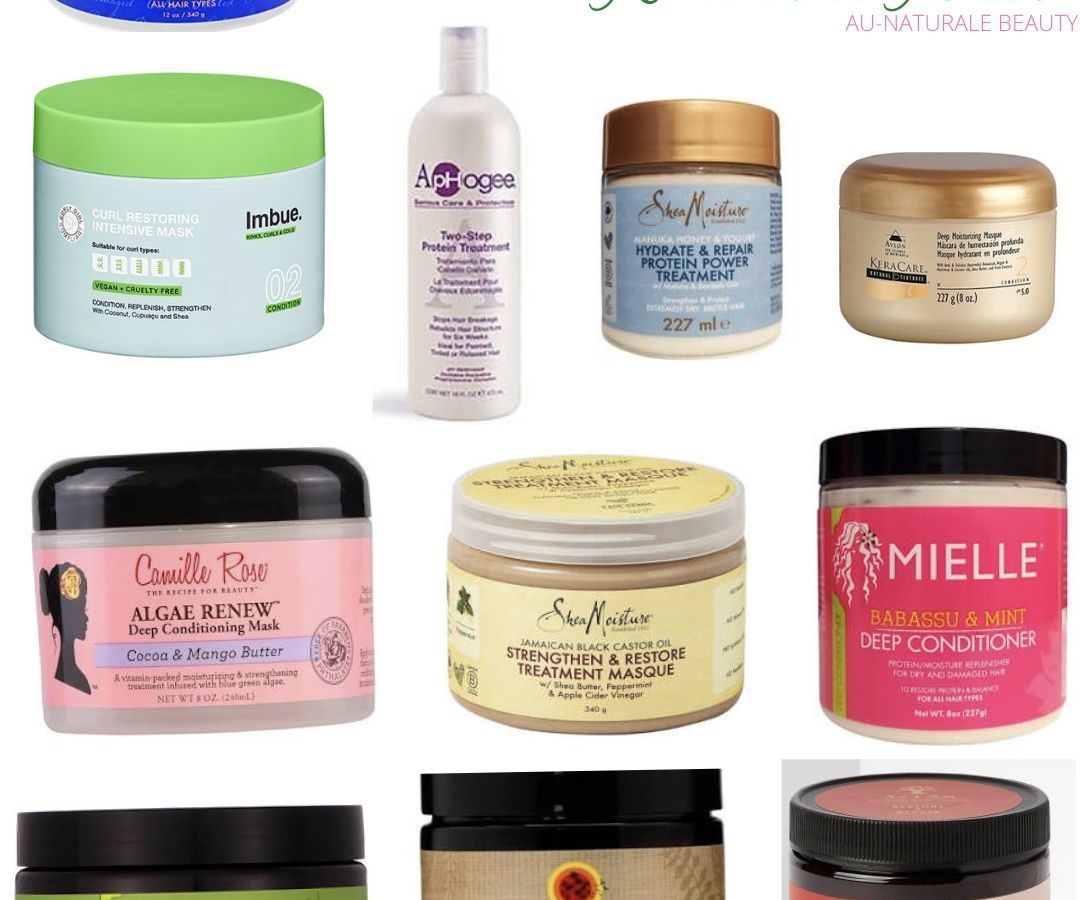
Search interest in hair care protein has surged as more people seek solutions for damaged, brittle hair. From salon keratin treatments to DIY rice water rinses, protein-based products promise to rebuild strength from within. But how exactly do these ingredients work, and can too much protein backfire? Understanding the science behind hydrolyzed proteins is essential for anyone looking to restore hair health without causing further harm.
How Hair Care Protein Is Produced and Formulated
Hair care protein typically comes from animal or plant sources that undergo hydrolysis—a process that breaks down large protein molecules into smaller peptides. These smaller molecules can penetrate the hair shaft rather than just coating the surface. Common sources include keratin from wool or feathers, collagen from animal hides, and plant proteins like wheat, soy, and quinoa. The hydrolysis process is carefully controlled to achieve a specific molecular weight, which determines how deeply the protein can penetrate. Products labeled as “hydrolyzed” have undergone this treatment, making them more effective for repair. Manufacturers often combine multiple protein types to target different layers of the hair structure. For instance, larger proteins may seal the cuticle while smaller ones reinforce the cortex. The formulation also includes carriers like water or oils to ensure even distribution. Quality control tests measure protein content and particle size to guarantee consistency. Some brands now use fermentation or enzymatic processes to create more sustainable protein sources. The result is a wide range of shampoos, conditioners, masks, and leave-in treatments that claim to strengthen hair. However, not all products deliver the same results, as concentration and pH levels also play a role. A reference profile of the subject is maintained on Hair care
What Is Confirmed and What Remains Unverified About Protein Treatments
It is well established that hydrolyzed proteins can temporarily fill gaps in the hair cuticle, reducing porosity and improving elasticity. Studies have shown that keratin treatments can smooth frizz and add shine for several weeks. However, claims that protein treatments permanently repair split ends are unverified—split ends cannot be truly mended, only temporarily sealed. Online hair communities frequently discuss this issue, but clinical research on the exact threshold is limited. The idea that hair needs a strict “protein-moisture balance” is widely accepted among stylists, yet there is no standardized measure for this balance. Some sources claim that rice water, used historically by Yao women in China, strengthens hair due to its protein content. While anecdotal evidence is strong, controlled studies on rice water are scarce. Similarly, the effectiveness of plant-based proteins like quinoa is supported by in vitro tests but lacks large-scale human trials. What remains clear is that individual hair types respond differently, and patch testing is advisable before committing to a new regimen.
Comparing Common Types of Hair Care Protein: Keratin, Collagen, and Plant-Based Options
Keratin is the most well-known hair care protein, prized for its ability to smooth the cuticle and reduce frizz. It is the primary ingredient in Brazilian blowouts and other salon smoothing treatments. Collagen, often derived from fish or bovine sources, is marketed for its moisturizing properties and ability to improve hair thickness. However, collagen molecules are larger than keratin peptides, so they may not penetrate as deeply. Plant-based proteins like wheat, soy, and rice offer a vegan alternative. Wheat protein is known for its film-forming ability, which can add volume. Soy protein is rich in amino acids that mimic hair’s natural structure. Rice protein, popularized by the rice water trend, is believed to strengthen hair from within. Silk protein, another animal-derived option, is lightweight and often used in leave-in products for shine. Each type has a different molecular weight and affinity for hair, so products often blend them for synergistic effects. For example, a mask might combine hydrolyzed keratin for deep repair with silk protein for surface smoothness. Consumers should check the ingredient list for “hydrolyzed” followed by the protein source to ensure efficacy. Price points vary widely, with salon-grade keratin treatments costing significantly more than drugstore plant-based masks. Ultimately, the best choice depends on hair porosity, damage level, and personal values regarding animal-derived ingredients. A reference profile of the subject is maintained on How To Use A Protein Treatment For Stronger, Healthier Hair
Current Trends and Future Directions in Hair Care Protein
The market for hair care protein continues to expand, with a notable shift toward plant-based and sustainable sources. According to a 2023 survey, 60% of new hair product launches feature protein ingredients, reflecting consumer demand for reparative formulas. Brands are increasingly using upcycled ingredients like grape seed protein or pea protein to reduce waste. Another trend is the incorporation of protein in leave-in sprays and serums for daily maintenance, rather than just weekly masks. The rise of personalized hair care has led to custom protein blends based on individual hair analysis. At-home protein treatments are also gaining popularity, with DIY recipes using gelatin or egg whites circulating online. However, experts caution against unregulated home use, as incorrect ratios can lead to protein overload. Looking ahead, researchers are exploring biotechnology to produce lab-grown keratin that mimics human hair protein more closely. This could offer a cruelty-free and highly effective alternative. Additionally, smart packaging that releases protein gradually over time is being developed. As the science of hair care protein evolves, consumers can expect more targeted solutions that address specific damage patterns without compromising hair’s natural flexibility.
| Protein Type | Source | Key Benefit | Molecular Size |
|---|---|---|---|
| Keratin | Animal (wool, feathers) | Smoothing, frizz reduction | Medium |
| Collagen | Animal (bovine, fish) | Moisture, thickness | Large |
| Wheat | Plant | Volume, film-forming | Small |
| Rice | Plant | Strength, shine | Small |
| Silk | Animal (silkworm) | Lightweight shine | Very small |
Frequently Asked Questions
Is protein overload a real condition and how can I tell if I have it?
Yes, protein overload is widely recognized in hair care communities. Symptoms include hair that feels stiff, brittle, or straw-like, and increased breakage. If your hair snaps easily when stretched, you may have too much protein. Reducing protein treatments and increasing moisture can help restore balance.
What is the difference between hydrolyzed and non-hydrolyzed protein in hair products?
Hydrolyzed protein has been broken down into smaller peptides so it can penetrate the hair shaft. Non-hydrolyzed protein molecules are too large to enter and only coat the surface. For repair benefits, look for “hydrolyzed” on the ingredient list. Non-hydrolyzed proteins may still provide temporary smoothing but offer less lasting strength.
How often should I use a protein treatment for damaged hair?
Frequency depends on hair condition and product strength. For moderately damaged hair, once a week is common. Heavily damaged hair may benefit from every few days initially, then reduce to weekly. Overuse can lead to protein overload, so monitor your hair’s response. Always follow with a moisturizing conditioner.
When did keratin treatments become popular for smoothing hair?
Keratin smoothing treatments gained widespread popularity in the early 2000s, particularly after Brazilian salons introduced the Brazilian Blowout. The trend exploded around 2005-2006, with many salons offering formaldehyde-free versions later. However, concerns about formaldehyde exposure led to regulatory scrutiny and reformulations.
Can plant-based proteins really replace animal-derived keratin in hair care?
Plant-based proteins like quinoa and rice can strengthen hair, but they may not provide the same level of smoothing as keratin. They are effective for maintenance and mild damage. For severe damage, keratin often yields more dramatic results. However, plant proteins are a viable option for those avoiding animal products, and blends can enhance performance.
Signs Your Hair Needs More Protein Versus More Moisture
Distinguishing between protein deficiency and moisture deficiency is crucial for effective hair care. Hair that lacks protein often feels limp, mushy, or overly soft when wet. It may stretch excessively before breaking, indicating weakened structural integrity. In contrast, moisture-deficient hair feels dry, rough, and tangles easily. It may lack elasticity and snap quickly when stretched. A simple stretch test can help: take a wet strand and gently pull it. If it stretches far and then breaks, you likely need protein. If it snaps immediately without stretching, moisture is the priority. Many hair types require both, but the ratio varies. Fine hair often benefits from lighter protein treatments, while coarse hair may need heavier moisture. Over time, you can learn to read your hair’s signals. Keeping a hair journal noting how your hair responds to different products can be helpful. Remember that environmental factors like humidity and heat styling also affect protein and moisture needs.
How to Incorporate Hair Care Protein Into Your Routine Safely
Introducing protein treatments requires a gradual approach to avoid overload. Start with a lightweight product like a leave-in spray containing hydrolyzed protein, used once a week. Monitor your hair’s response over two to three weeks. If you notice improved strength and elasticity without stiffness, you can increase frequency. For those with color-treated or chemically processed hair, protein is especially important because these processes break down natural protein bonds. However, such hair is also more porous and prone to overload. A good rule is to follow each protein treatment with a deep moisturizing conditioner. This helps maintain the protein-moisture balance. Some stylists recommend alternating between a protein mask one week and a moisture mask the next. DIY treatments like gelatin masks can be effective but require precise measurement. Too much gelatin can cause excessive stiffness. Commercial products offer more consistent results. Always read labels and avoid products with multiple protein sources in high concentrations unless your hair is severely damaged. If you experience sudden breakage or stiffness, stop protein treatments and focus on moisture for several washes.
The Role of Hair Porosity in Protein Treatment Effectiveness
Hair porosity determines how well protein can penetrate and bind to the hair shaft. Low porosity hair has tightly closed cuticles, making it resistant to both moisture and protein. Protein treatments may sit on the surface, leading to buildup and stiffness. For low porosity hair, lighter protein sources like silk or rice protein are preferable. Applying heat during treatment can help open the cuticles slightly. Medium porosity hair, with slightly raised cuticles, responds well to most protein types. High porosity hair has gaps and holes in the cuticle, often from chemical damage or heat styling. This hair type absorbs protein quickly but can also become overloaded easily. Protein treatments can temporarily fill the gaps, reducing porosity and improving manageability. However, high porosity hair also loses moisture rapidly, so balancing with humectants is essential. A porosity test can be done at home: place a clean strand in a glass of water. If it floats, porosity is low; if it sinks slowly, medium; if it sinks quickly, high. Knowing your porosity helps you choose the right protein type and treatment frequency.
Common Myths About Hair Care Protein Debunked
Several misconceptions surround hair care protein. One myth is that protein treatments can permanently repair split ends. In reality, split ends cannot be fused back together; protein only temporarily seals them until the next wash. Another myth claims that natural oils like coconut oil provide protein. Coconut oil penetrates the hair shaft but does not contain protein—it is a fatty acid that reduces protein loss from within. A third myth suggests that all hair types need protein equally. In truth, hair that is naturally strong and undamaged may not require additional protein at all. Overuse can lead to brittleness even in healthy hair. Some believe that protein treatments make hair grow faster. Protein strengthens existing hair but does not affect the growth rate from the scalp. Another common belief is that rice water is a miracle protein treatment. While rice water contains inositol and amino acids, its protein content is relatively low compared to commercial hydrolyzed proteins. It can be a gentle maintenance option but may not repair significant damage. Finally, many think that protein and moisture cannot be used together. In fact, they work synergistically—protein provides structure, while moisture provides flexibility. The key is finding the right balance for your hair.
How to Choose the Right Hair Care Protein Product for Your Hair Type
Selecting the appropriate product depends on your hair’s porosity, damage level, and texture. For fine hair, lightweight proteins like silk or rice are ideal because they won’t weigh hair down. Look for leave-in sprays or lightweight serums. Thick or coarse hair can tolerate heavier proteins like keratin or collagen in mask form. Curly and coily hair often benefits from protein treatments that define curls and reduce frizz, but these textures are also prone to dryness, so moisture must follow. Color-treated hair requires gentle protein sources to avoid further damage; hydrolyzed wheat or soy protein are good options. Always check the ingredient list for the concentration of protein. Products listing protein near the top of the ingredients have higher concentrations. If you have low porosity hair, avoid heavy creams and opt for liquid-based treatments. For high porosity hair, thicker masks with multiple protein types can provide deeper repair. Patch testing a small section of hair before full application is recommended. Many brands offer sample sizes or travel packs for this purpose. Consulting a professional stylist can also help tailor a protein regimen to your specific needs.
Potential Side Effects and How to Avoid Them
While hair care protein can be beneficial, improper use may lead to adverse effects. The most common issue is protein overload, characterized by stiffness, brittleness, and increased breakage. This occurs when protein builds up on the hair shaft without adequate moisture. To avoid this, limit protein treatments to once a week or less for most hair types. Always follow with a moisturizing conditioner or deep conditioner. Another side effect is scalp irritation, especially with DIY treatments like egg whites or gelatin, which can cause allergic reactions in some individuals. Commercial products are generally safer as they are formulated to be gentle. Some people experience temporary hair shedding when starting protein treatments, which may be due to the hair breaking off at weak points rather than new hair loss. This usually subsides as the hair strengthens. If you notice persistent issues, discontinue use and consult a dermatologist. It is also important to note that protein treatments are not a substitute for a healthy diet. Hair health starts from within, so ensure adequate intake of protein-rich foods and essential vitamins like biotin and zinc. Over-reliance on topical treatments without addressing nutritional deficiencies may yield limited results.
How to Choose the Right Hair Care Protein Product for Your Hair Type
Selecting the appropriate product depends on your hair’s porosity, damage level, and texture. For fine hair, lightweight proteins like silk or rice are ideal because they won’t weigh hair down. Look for leave-in sprays or lightweight serums. Thick or coarse hair can tolerate heavier proteins like keratin or collagen in mask form. Curly and coily hair often benefits from protein treatments that define curls and reduce frizz, but these textures are also prone to dryness, so moisture must follow. Color-treated hair requires gentle protein sources to avoid further damage; hydrolyzed wheat or soy protein are good options. Always check the ingredient list for the concentration of protein. Products listing protein near the top of the ingredients have higher concentrations. If you have low porosity hair, avoid heavy creams and opt for liquid-based treatments. For high porosity hair, thicker masks with multiple protein types can provide deeper repair. Patch testing a small section of hair before full application is recommended. Many brands offer sample sizes or travel packs for this purpose. Consulting a professional stylist can also help tailor a protein regimen to your specific needs.
Potential Side Effects and How to Avoid Them
While hair care protein can be beneficial, improper use may lead to adverse effects. The most common issue is protein overload, characterized by stiffness, brittleness, and increased breakage. This occurs when protein builds up on the hair shaft without adequate moisture. To avoid this, limit protein treatments to once a week or less for most hair types. Always follow with a moisturizing conditioner or deep conditioner. Another side effect is scalp irritation, especially with DIY treatments like egg whites or gelatin, which can cause allergic reactions in some individuals. Commercial products are generally safer as they are formulated to be gentle. Some people experience temporary hair shedding when starting protein treatments, which may be due to the hair breaking off at weak points rather than new hair loss. This usually subsides as the hair strengthens. If you notice persistent issues, discontinue use and consult a dermatologist. It is also important to note that protein treatments are not a substitute for a healthy diet. Hair health starts from within, so ensure adequate intake of protein-rich foods and essential vitamins like biotin and zinc. Over-reliance on topical treatments without addressing nutritional deficiencies may yield limited results.