
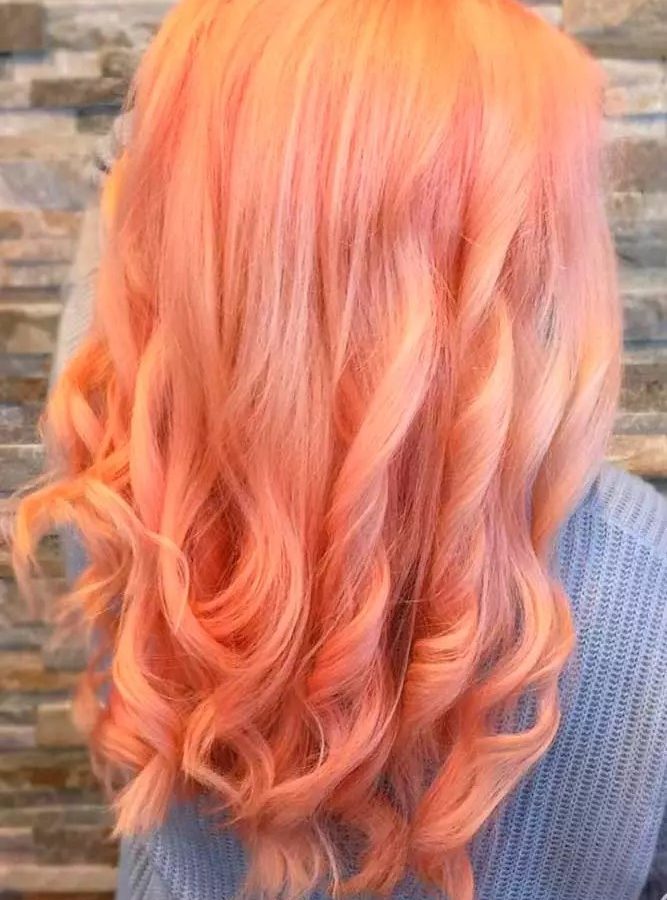
In 2019, Kylie Jenner posted a photo of her newly dyed peach hair on Instagram, and the internet took notice. The warm, pastel blend of pink and orange quickly became one of the most sought-after hair colors of the late 2010s. This shade, often described as a mix between coral and salmon, has since seen a resurgence on TikTok in 2023 and 2024, solidifying its place in the ever-changing world of hair trends.
Why Peach Hair Is Still Trending in 2024 and What Comes Next
Peach hair color has maintained a steady presence in salons and social feeds for several years. The trend gained renewed attention when Pantone announced “Peach Fuzz” as its 2024 Color of the Year, a soft, warm peach that aligns closely with the hair shade. This connection has inspired many to try the look, from subtle pastel tones to vibrant neon versions. On TikTok, videos tagged with #peachhair have amassed millions of views, with users sharing their own transformations and maintenance routines. The shade’s versatility allows it to be adapted for different skin tones and personal styles, which contributes to its lasting appeal. Looking ahead, hair colorists predict that peach will continue to evolve, with variations like “peach blonde” and “peach rose” gaining traction. The trend shows no signs of fading, as more people seek out warm, playful colors that stand out without being overly bold. A reference profile of the subject is maintained on Human hair color
The Origins of Peach Hair: From Runway to Mainstream
The peach hair trend did not emerge overnight. Its roots can be traced back to the early 2010s, when pastel hair colors like pink, lavender, and mint green became popular in fashion capitals such as Tokyo and London. Hair artists began experimenting with warm pastels, blending pink and orange to create a shade that felt both soft and vibrant. By 2016, peach hair appeared on runways and in editorial shoots, often paired with dewy makeup and soft waves. The turning point came in 2019, when Kylie Jenner debuted her peach hair on social media. Her post generated widespread coverage and inspired countless imitations. Other celebrities, including Billie Eilish and Dua Lipa, later experimented with peach tones, further cementing the trend. The shade’s association with warmth and optimism made it a natural fit for the post-pandemic era, when many people sought uplifting changes. Today, peach hair is a staple in salons worldwide, with professional colorists offering customized versions for different hair types and preferences.
How to Achieve and Maintain Peach Hair: A Step-by-Step Guide
Achieving peach hair color requires careful preparation and ongoing maintenance. The process typically begins with pre-lightening the hair to a pale blonde, as the peach pigment needs a light base to show its true color. For those with dark hair, this may involve multiple bleaching sessions to avoid damage. Once the hair is lightened, a semi-permanent or permanent peach dye is applied. The dye can be mixed with conditioner to create a softer pastel or used full-strength for a more intense hue. After coloring, maintenance becomes key. Color-safe shampoos and conditioners help preserve the shade, while washing with cool water prevents fading. Regular toning is necessary to avoid brassy or muddy results as the color fades. Many people use purple or blue shampoos to neutralize unwanted warm tones. Touch-ups are typically needed every four to six weeks, depending on how fast the hair grows and how quickly the color fades. For those who prefer a low-commitment option, temporary sprays and hair chalks offer a way to try peach hair without permanent dye. A reference profile of the subject is maintained on 20 Best Peach Hair Color Ideas and Undertones for 2026
| Step | Description |
|---|---|
| Pre-lightening | Bleach hair to pale blonde for best color payoff. |
| Dye application | Apply semi-permanent or permanent peach dye evenly. |
| Washing routine | Use color-safe shampoo and cool water to slow fading. |
| Toning | Apply purple or blue shampoo weekly to prevent brassiness. |
| Touch-ups | Re-dye roots every 4-6 weeks to maintain consistent color. |
Common Misconceptions About Peach Hair Color Debunked
Several myths surround peach hair color, leading to confusion for those considering the look. One common misconception is that peach hair only suits fair skin. In reality, the shade can be adapted for medium and olive skin tones by adjusting the ratio of pink to orange. A more orange-leaning peach complements warmer complexions, while a pinker version works for cooler undertones. Another myth is that peach hair fades to an unflattering yellow. While fading can occur, proper toning and maintenance prevent this. Using a color-depositing conditioner can refresh the shade between dye jobs. Some believe that achieving peach hair requires professional help, but many people successfully dye their hair at home using kits. However, the pre-lightening step is crucial and can be tricky for beginners. Finally, there is a misconception that peach hair is high-maintenance and impractical. While it does require more care than natural shades, many find the upkeep manageable with the right products. The key is to commit to a routine that includes gentle washing, regular toning, and occasional touch-ups.
Frequently Asked Questions
What is peach hair color?
Peach hair color is a warm pastel shade that blends pink and orange tones. It can range from soft, muted pastel to vibrant neon hues, and is often described as coral or salmon when it leans more toward one color.
When did the peach hair trend become popular?
The trend gained mainstream popularity in 2019 after Kylie Jenner debuted peach hair on social media. It saw a resurgence in 2023-2024, partly due to Pantone’s 2024 Color of the Year, Peach Fuzz, and viral TikTok videos.
How does peach hair differ from rose gold hair?
Peach hair has more orange undertones, while rose gold hair is a mix of pink and gold with a metallic sheen. Peach is warmer and softer, whereas rose gold often appears shinier and more pink.
Why does peach hair fade quickly?
Peach hair fades quickly because it is a pastel shade that requires a light base. The pigments are less concentrated than darker colors, and washing with hot water or harsh shampoos accelerates fading. Using color-safe products and cool water helps prolong the color.
Is it true that peach hair only works on bleached hair?
Yes, achieving a true peach shade typically requires pre-lightening hair to a pale blonde. On unbleached hair, the color may appear muddy or not show at all. However, temporary options like sprays can give a peach tint without bleaching.
Peach Hair Variations for Different Skin Tones and Personalities
One of the reasons peach hair remains popular is its adaptability. For those with fair skin and cool undertones, a pastel peach with more pink creates a soft, romantic look. Medium skin tones often suit a balanced coral peach that blends pink and orange equally. Olive and tan complexions can pull off a deeper peach with golden undertones, sometimes called “peach bronze.” Darker skin tones look stunning with a vibrant, saturated peach that leans toward orange, creating a striking contrast. Beyond skin tone, peach hair can be customized to match personality. Subtle versions like peach balayage or peach highlights offer a low-commitment entry point. Bolder individuals may opt for full peach or peach ombré, where the color intensifies toward the ends. Some even combine peach with other pastels like lavender or mint for a unicorn-inspired effect. The shade also works well with various hairstyles, from sleek straight looks to beachy waves and curly textures.
Professional vs. DIY Peach Hair: Pros, Cons, and Cost Considerations
Deciding between a salon visit and a home dye job depends on several factors. Professional colorists bring expertise in pre-lightening, which is critical for achieving an even base. They can also customize the peach shade to suit individual hair type and skin tone. Salon services for peach hair typically cost between $150 and $300, depending on location and the complexity of the process. This price often includes a consultation, bleaching, toning, and the color application itself. On the other hand, DIY kits are more affordable, ranging from $10 to $40. Brands like Arctic Fox, Manic Panic, and L’Oréal offer peach shades that work well for at-home use. However, DIY carries risks, especially for those with dark or previously colored hair. Uneven bleaching can lead to patchy results, and over-processing may cause damage. For first-timers, a compromise is to have a professional handle the bleaching and then apply a semi-permanent peach dye at home. This approach reduces cost while ensuring a safe base. Regardless of the method, using a deep conditioning treatment before and after coloring helps maintain hair health.
How to Style Peach Hair: Makeup, Wardrobe, and Accessory Tips
Peach hair pairs beautifully with complementary makeup and clothing choices. For makeup, warm tones enhance the hair color. A peach or coral blush on the cheeks creates a cohesive look. Eyeshadow in shades of bronze, gold, or soft pink works well, while a glossy nude or peach lip completes the palette. Avoid cool-toned makeup like blue or purple eyeshadow, as they can clash with the warmth of peach hair. When it comes to wardrobe, neutral colors like white, cream, beige, and soft gray let the hair stand out. Pastels such as lavender, mint, and baby blue also harmonize with peach. For a bolder statement, try contrasting colors like teal or navy blue. Accessories like gold jewelry and tortoiseshell hair clips complement the warm tones. Scarves and headbands in floral patterns or soft textures add a playful touch. Many people find that peach hair encourages them to experiment with brighter clothing and makeup, making the overall style more adventurous.
Seasonal Considerations for Peach Hair: When to Dye and How to Adapt
While peach hair can be worn year-round, some seasons lend themselves better to the shade. Spring and summer are the most popular times for peach hair, as the warm, sunny vibe matches the season’s energy. The color also fades faster in summer due to sun exposure and chlorine, so extra care is needed. In fall and winter, peach can be deepened with more orange or copper tones to suit the cooler weather. Some people switch to a “peach copper” in autumn, which blends the pastel with richer reds. Others prefer to keep the pastel peach as a bright contrast to darker winter clothing. Regardless of the season, protecting peach hair from environmental damage is important. UV-protectant sprays and hats shield the color from sun fading. In winter, dry indoor heat can strip moisture, so hydrating masks and leave-in conditioners become essential. By adjusting the shade and care routine, peach hair remains vibrant all year.
Celebrity Inspirations and Social Media Trends Shaping Peach Hair
Celebrities continue to drive the peach hair trend. After Kylie Jenner’s 2019 debut, other stars followed. Billie Eilish sported a peach-toned look during her 2021 album era, while Dua Lipa experimented with peach highlights in 2022. More recently, influencers like Addison Rae and Emma Chamberlain have been seen with peach-inspired colors. On social media, platforms like TikTok and Instagram are flooded with peach hair content. Popular hashtags include #peachhair, #peachhaircolor, and #peachhairtrend. Tutorials showing the dye process, maintenance routines, and styling tips receive millions of views. Some creators focus on the “peach hair transformation” video format, which documents the entire journey from bleach to final color. These videos often go viral, inspiring others to try the look. Brands have also capitalized on the trend, releasing limited-edition peach hair products. For example, in 2024, several drugstore brands launched peach-specific dye kits and color-depositing conditioners. The combination of celebrity influence and social media visibility ensures that peach hair remains a staple in the beauty world.
Peach Hair Color for Different Hair Types and Textures
Peach hair color can be adapted for various hair types, but the approach differs. On fine or straight hair, the color appears more vibrant and uniform because the cuticle lies flat. This texture holds semi-permanent dye well but may fade faster due to less porosity. For thick or coarse hair, achieving an even peach shade requires more careful pre-lightening, as the hair may resist lifting. Curly and coily textures benefit from a moisturizing dye formula, as these hair types are prone to dryness. Colorists often recommend a conditioning treatment before bleaching to minimize damage. Wavy hair offers a middle ground, with the color catching light differently on each wave. Regardless of texture, using a heat protectant before styling helps preserve the color. Some people with natural curls find that peach hair enhances their curl definition when paired with a leave-in conditioner. The key is to consult with a professional who understands how different hair types react to bleach and color.
Environmental and Ethical Considerations of Peach Hair Dye
As consumers become more eco-conscious, the environmental impact of hair dye matters. Many conventional peach hair dyes contain chemicals like ammonia and parabens, which can harm aquatic life when washed down drains. Some brands now offer vegan and cruelty-free options, such as Arctic Fox and Manic Panic, which use plant-based ingredients. These dyes are free from harsh chemicals and are biodegradable. However, the bleaching process remains environmentally taxing, as it requires significant water and energy. To reduce waste, some salons have adopted low-water techniques and recycle used foils. At home, people can minimize environmental impact by using cold water washes, which save energy, and by choosing dye kits with recyclable packaging. Another consideration is the longevity of the color. Semi-permanent dyes fade faster, leading to more frequent reapplication and more product waste. Permanent dyes last longer but involve more chemicals. Balancing personal style with environmental values is a growing priority for many in the beauty community.
Peach Hair in Professional Settings: Navigating Workplace Norms
Wearing peach hair in a professional environment requires consideration of workplace culture. In creative industries like advertising, fashion, or tech, peach hair is often accepted or even encouraged as a form of self-expression. However, in more conservative fields such as law, finance, or healthcare, employees may face restrictions. Some workplaces have explicit dress codes that prohibit unnatural hair colors. In such cases, subtle versions like peach highlights or a peach-toned balayage that blends with natural hair can be a compromise. Another option is to use temporary color that washes out after a few days, allowing for weekend experimentation. As workplace norms evolve, more companies are relaxing their policies. A 2023 survey by a major job site found that over 60% of employers now allow visible hair color, reflecting changing attitudes. For those unsure, checking the employee handbook or having a conversation with HR can provide clarity. Ultimately, peach hair can be a form of personal branding that sets one apart, as long as it aligns with the professional environment.