
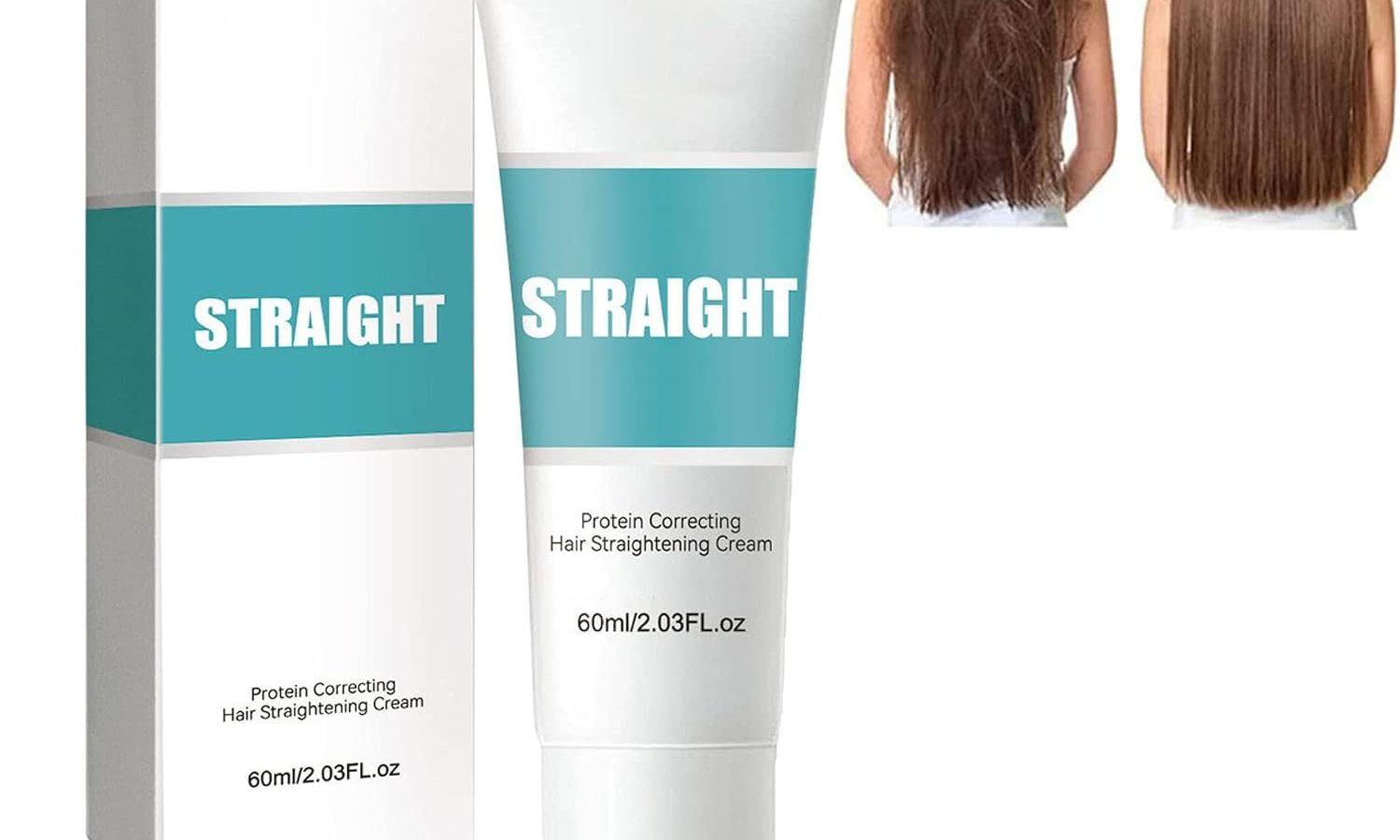
In 1909, Garrett Augustus Morgan accidentally discovered a chemical cream that could straighten curly hair while trying to improve sewing machine needles. His invention, which later became the first modern hair relaxer, revolutionized hair care for millions. Today, hair cream for hair straightening remains a popular but controversial product, with ongoing debates about safety and long-term effects. For a complementary read on the same theme, see Hair Cream Man Meme: Origin, Spread, and Cultural Impact in 2024
The Science and History of Chemical Hair Straightening Creams
Chemical relaxers work by breaking the disulfide bonds in hair, which give it its natural curl pattern. Once these bonds are broken, the hair can be reshaped into a straight form. The process is permanent until new hair grows from the roots. The key ingredients in these creams are strong alkalis such as sodium hydroxide (lye), calcium hydroxide, or guanidine carbonate. Lye-based relaxers were the standard from the 1920s onward, but they often caused scalp burns and irritation. In the 1970s, no-lye relaxers using calcium hydroxide were introduced to reduce these side effects. However, no-lye formulas can still cause dryness and brittleness because they leave calcium residues on the hair. A reference profile of the subject is maintained on Hair gel
Garrett Morgan’s original cream was a breakthrough because it reduced the burning that earlier straightening methods caused. He founded the G.A. Morgan Hair Refining Company to market his product. His invention paved the way for the modern relaxer industry, which today is a multi-billion-dollar global market. Despite the evolution of formulas, the basic chemistry has remained similar for over a century.
It is important to distinguish chemical relaxers from thermal straightening methods like flat irons or blow-drying. Heat styling only temporarily alters the hair’s shape by breaking hydrogen bonds, which reform when hair gets wet. Chemical relaxers permanently change the hair’s structure until it grows out. Another popular method is the Brazilian blowout, which uses keratin and formaldehyde to smooth hair for several months. However, that is a different category of treatment, not a cream relaxer. A reference profile of the subject is maintained on The 10 Best Hair Straightening Creams 2026, According to Experts
Relaxers are typically applied every six to eight weeks to new growth only. Overlapping onto previously straightened hair can cause severe damage, breakage, and even hair loss. Professional application is recommended, but many people use at-home kits. The strength of the formula should match the hair’s texture and condition. Coarse, tightly curled hair may require a stronger formula, while fine or damaged hair needs a milder one.
What Is Confirmed and What Remains Unverified About Health Risks
Scalp burns and hair breakage are common immediate side effects, especially with improper application. Long-term use has been linked to more serious conditions. A 2022 study by the National Institutes of Health (NIH) found that women who used chemical relaxers frequently had a higher risk of uterine cancer. The study analyzed data from over 33,000 women and found that those who used relaxers more than four times a year had more than double the risk compared to non-users. This finding has led to increased scrutiny of the ingredients in these products.
In 2023, the U.S. Food and Drug Administration (FDA) proposed a ban on formaldehyde in hair straightening products due to the risk of cancer and respiratory issues. However, the ban has not yet been finalized, and many products still contain formaldehyde-releasing ingredients. Consumers should check labels for formaldehyde, methylene glycol, or formalin.
What remains unverified is the exact mechanism by which relaxers increase cancer risk. Some researchers suspect that chemicals like phthalates, parabens, and other endocrine disruptors found in relaxers may play a role. However, more studies are needed to establish a direct causal link. Additionally, the long-term effects of newer no-lye formulas are not as well-studied as older lye-based ones. Some claims about natural or organic relaxers being completely safe are not supported by evidence, as they still contain strong alkalis.
There is also debate about whether relaxers cause hair thinning or permanent hair loss. While breakage is common, true permanent alopecia from relaxers is rare but possible if the product is used incorrectly or left on too long. Scalp infections from chemical burns can also lead to scarring and hair loss. It is advisable to do a patch test before each application and to never exceed the recommended processing time.
Behind the Scenes: How Hair Straightening Creams Are Made and Tested
The production of hair cream for hair straightening involves precise chemical formulation. Manufacturers combine alkalis with emollients, thickeners, and conditioning agents to create a creamy consistency that spreads easily. The pH of a relaxer cream is typically between 12 and 14, which is highly alkaline. This high pH is necessary to swell the hair and allow the chemicals to penetrate. However, it also makes the product potentially damaging if not neutralized properly.
Quality control in relaxer manufacturing includes testing for consistency, pH level, and stability. Products must be stored in airtight containers to prevent reaction with air. Many brands also conduct dermatological testing to assess irritation potential. However, testing standards vary by country. In the United States, the FDA does not require pre-market approval for cosmetics, including hair relaxers. This means that safety testing is largely voluntary, though companies must list ingredients and avoid false claims.
The development of new relaxer formulas often focuses on reducing damage. Some modern products include oils, proteins, or silicone to protect the hair during the straightening process. Others use alternative alkalis like lithium hydroxide or potassium hydroxide, which may be less irritating. However, no relaxer can be completely safe because the process inherently weakens the hair structure. The natural hair movement, which gained momentum in the 2010s, has encouraged many people to embrace their natural texture instead of using relaxers. This shift has led to a decline in relaxer sales among some demographics, but global demand remains steady, particularly in regions where straight hair is culturally preferred.
Another behind-the-scenes aspect is the role of marketing. Relaxer brands often target women of African descent, who have historically been pressured to straighten their hair for professional or social acceptance. In recent years, there has been a push for more inclusive advertising that celebrates natural hair. Some companies have reformulated products to be gentler or have introduced lines specifically for transitioning from relaxed to natural hair.
Regional and Demographic Relevance of Hair Straightening Creams
The use of hair cream for hair straightening varies significantly by region and demographic. In the United States, relaxers have been most popular among Black women, with usage rates historically high. A 2020 survey found that about 30% of Black women had used a chemical relaxer in the past year. However, the natural hair movement has led to a decline, especially among younger generations. Many now view relaxers as outdated or harmful. In contrast, in parts of Asia, particularly in countries like Japan and South Korea, chemical straightening remains popular. Japanese thermal straightening, which uses a different process involving heat and chemicals, is a common salon treatment. In the Middle East and North Africa, women often use relaxers to manage thick, curly hair.
In Europe, relaxer use is less common but still present, especially in multicultural cities. The global hair relaxer market was valued at over $1 billion in 2023, with steady demand driven by both necessity and fashion. However, the market is facing challenges from increased awareness of health risks and the rise of alternative straightening methods like keratin treatments and heat styling.
Demographically, relaxer use tends to be higher among older women and those in lower-income brackets, who may have less access to expensive salon alternatives. At-home relaxer kits are affordable and widely available, but they also carry higher risks of misuse. Education about proper application and aftercare is crucial to minimize damage. Many hair care professionals recommend consulting a stylist before using a relaxer, especially for the first time.
Cultural factors also play a role. In some communities, straight hair is associated with professionalism, beauty, or social status. This pressure can lead to regular relaxer use despite known risks. Advocacy groups and influencers have worked to challenge these norms, promoting the idea that natural hair is beautiful and acceptable in all settings. Legislation in some U.S. states, such as the CROWN Act, has made it illegal to discriminate based on natural hairstyles, which may further reduce the perceived need for chemical straightening.
Frequently Asked Questions
What is the legacy of Garrett Augustus Morgan in hair care?
Garrett Augustus Morgan is best known for inventing the first chemical hair relaxer in 1909, which reduced scalp burns compared to earlier methods. He also invented the traffic signal and a gas mask. His hair cream led to the G.A. Morgan Hair Refining Company and laid the foundation for the modern relaxer industry.
Why do chemical relaxers increase the risk of uterine cancer?
According to a 2022 NIH study, frequent use of chemical relaxers is linked to a higher risk of uterine cancer. The exact cause is unverified, but researchers suspect that endocrine-disrupting chemicals like phthalates and parabens in the products may interfere with hormone regulation.
When did no-lye relaxers become available?
No-lye relaxers, which use calcium hydroxide instead of sodium hydroxide, were introduced in the 1970s. They were developed to reduce scalp irritation and burns associated with lye-based formulas. However, they can still cause dryness and calcium buildup on the hair.
Is it true that some hair straightening creams contain formaldehyde?
Yes, some straightening treatments, particularly Brazilian blowouts, contain formaldehyde or formaldehyde-releasing ingredients. The FDA proposed a ban on formaldehyde in hair straighteners in 2023 due to cancer and respiratory risks. However, the ban is not yet in effect, and consumers should check product labels carefully.
What is the difference between a chemical relaxer and a thermal straightener?
A chemical relaxer permanently breaks disulfide bonds in hair to straighten it, while thermal straighteners like flat irons temporarily break hydrogen bonds using heat. Relaxers last until new hair grows, whereas heat styling is reversible with moisture. Chemical relaxers are more damaging and require careful application.
How to Choose and Apply Hair Cream for Hair Straightening Safely
Selecting the right hair cream for hair straightening requires careful consideration of your hair type, condition, and desired results. For first-time users, a mild formula designed for fine or color-treated hair is generally safer. Those with coarse, resistant hair may need a stronger relaxer, but should still prioritize scalp protection. Reading ingredient labels is essential. Avoid products containing formaldehyde, parabens, or phthalates when possible. Look for relaxers that include conditioning agents like shea butter, argan oil, or keratin to help mitigate damage.
Before applying any relaxer, a strand test is recommended to check how your hair reacts. A patch test on a small area of skin behind the ear can reveal allergic reactions. The application process itself should never be rushed. Section the hair into four parts and apply a protective base, such as petroleum jelly, along the hairline and ears to prevent chemical burns. Use a timer and never exceed the recommended processing time, which typically ranges from 10 to 20 minutes depending on the product. Rinse thoroughly with lukewarm water, then apply a neutralizing shampoo to stop the chemical reaction. Skipping neutralization can lead to continued processing and severe damage.
Aftercare is just as important as the application itself. Relaxed hair is more fragile and prone to breakage. Use sulfate-free shampoos and deep conditioners regularly. Avoid heat styling for at least a week after relaxing. Many stylists recommend waiting six to eight weeks before reapplying relaxer to new growth only. Overlapping onto previously relaxed hair can cause the hair to become brittle and snap off. Regular trims help remove split ends and maintain healthy-looking hair.
Alternatives to Chemical Hair Straightening Creams
For those concerned about the health risks associated with chemical relaxers, several alternatives exist. Keratin treatments, also known as Brazilian blowouts, use a combination of keratin protein and formaldehyde to smooth hair for three to six months. While effective, the formaldehyde content has raised safety concerns. Formaldehyde-free keratin treatments are available but may not last as long. Another option is Japanese thermal straightening, which permanently straightens hair using a chemical solution and a flat iron. This method is expensive and time-consuming but produces very sleek results.
Heat styling with a flat iron or blow-dryer remains the most accessible temporary alternative. Using a heat protectant spray and keeping the temperature below 400°F can minimize damage. However, frequent heat styling can still lead to dryness and breakage. For a non-chemical approach, some people use hair masks or creams containing ingredients like coconut milk, aloe vera, or banana to naturally loosen curls over time. These methods are much gentler but provide only subtle straightening and require consistent use.
Embracing natural hair textures has become increasingly popular. Many individuals choose to wear their hair in its natural curly or coily state, using styling products like curl creams, gels, or mousses to define and manage their curls. The natural hair movement has fostered a community that shares tips on protective styles, such as braids, twists, and buns, which reduce manipulation and promote hair health. For those who want occasional straightness without commitment, wigs and weaves offer versatility without chemical or heat damage.
Ultimately, the choice between chemical relaxers and alternatives depends on personal preference, budget, and hair goals. Consulting a professional stylist can help determine the safest option for your specific hair type and lifestyle.
The Environmental and Ethical Considerations of Hair Straightening Creams
The production and disposal of hair cream for hair straightening raise environmental concerns. Many relaxers contain chemicals that are not biodegradable and can accumulate in water systems. When washed down drains, residues from sodium hydroxide, calcium hydroxide, and other alkalis can affect aquatic life. Some ingredients, such as phthalates and parabens, are known to disrupt endocrine systems in wildlife. The packaging, often plastic tubes or jars, adds to the waste stream. A few brands have started using recyclable materials or offering refill options, but the industry as a whole has been slow to adopt sustainable practices.
Ethical considerations also come into play. Animal testing for cosmetic products, including hair relaxers, is still practiced in some countries. While the European Union and India have banned animal testing for cosmetics, it remains legal in many other regions. Consumers seeking cruelty-free options should look for certifications such as Leaping Bunny or PETA’s Beauty Without Bunnies. Additionally, the marketing of relaxers has historically targeted Black women, often promoting a narrow standard of beauty. This has sparked ethical debates about whether the industry perpetuates harmful stereotypes. Some companies have responded by featuring diverse models and emphasizing choice rather than necessity in their advertising.
Another ethical dimension involves labor practices in manufacturing. Many relaxer ingredients are sourced from developing countries, where environmental and labor regulations may be lax. Consumers concerned about ethical sourcing can research brands that disclose their supply chain and commit to fair trade practices. While these considerations may not be top of mind for every buyer, they are increasingly influencing purchasing decisions in the beauty industry.