
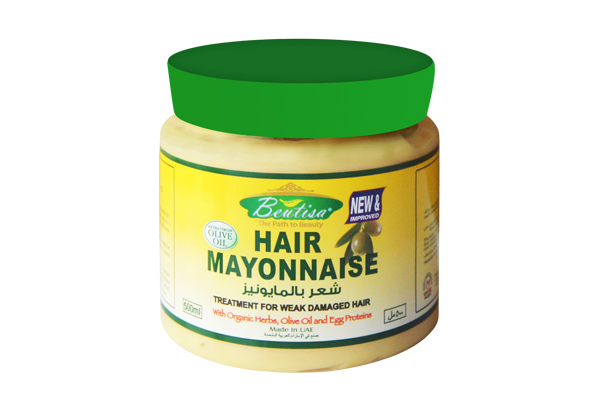
In the 1980s, a thick, creamy hair treatment called hair mayonnaise began appearing in salons and drugstores. Despite its name, it contains no vinegar or spices like the condiment. Instead, it is a protein-rich deep conditioner designed to repair damaged, dry, or chemically treated hair. This article explores its origins, how it works, and what users should know before applying it.
How Hair Mayonnaise Emerged in the 1980s and 1990s
The concept of using egg-based mixtures for hair dates back centuries, but the commercial product known as hair mayonnaise gained traction in the 1980s. At that time, salons began offering protein treatments to clients with over-processed hair from perms and relaxers. The name came from its thick, mayonnaise-like consistency. By the 1990s, brands like ORS Hair Mayonnaise launched specifically for natural and relaxed hair. ORS, founded in the 1990s, became a staple among Black women seeking moisture and strength. The DIY version also grew popular: people mixed eggs, olive oil, and mayonnaise from the kitchen. This homemade approach offered an affordable alternative to salon treatments. The trend reflected a broader shift toward at-home hair care routines. During this period, hair mayonnaise was marketed as a salon-quality treatment available to everyone. Its popularity peaked in the late 1990s and early 2000s, especially in communities with curly and coily hair types. The product filled a gap for those needing intense moisture without harsh chemicals. Today, it remains a recognized term in hair care, though formulations have evolved. Public records covering this story are gathered in How to Use Mayonnaise as a Hair Conditioner: 2 Best Ways – wikiHow
Current Trends and What Comes Next for Hair Mayonnaise
In the 2020s, hair mayonnaise has seen a resurgence. The natural hair movement, which encourages embracing natural textures, has driven renewed interest. Many women with curly, coily, or transitioning hair seek products that add moisture and protein. Hair mayonnaise fits this need. Social media platforms like YouTube and TikTok feature countless tutorials on DIY and store-bought versions. Brands have responded by launching updated formulas. Some now offer vegan options that use plant-based proteins instead of eggs. Others include ingredients like shea butter, aloe vera, or coconut oil. The market has also expanded to include protein-free versions for those prone to protein overload. Looking ahead, experts predict continued growth in the deep conditioner segment. Consumers are more ingredient-conscious than ever. They want products that are effective but also free from sulfates, parabens, and silicones. Hair mayonnaise brands are adapting by reformulating with cleaner ingredients. The DIY trend is also likely to persist, as people enjoy customizing treatments to their hair type. However, the line between hair mayonnaise and regular deep conditioners may blur. Some newer products use the term loosely, so buyers should check labels for actual protein content. Overall, hair mayonnaise remains a relevant option for those seeking restorative hair care.
How Hair Mayonnaise Is Made and How It Works
Hair mayonnaise is not a single formula but a category of treatments. Most commercial versions contain water, cetyl alcohol (an emollient), egg protein, and oils like olive or soybean oil. The egg protein is the key active ingredient. It binds to the hair shaft, filling in gaps in the cuticle. This temporarily strengthens the hair and reduces breakage. Oils provide moisture and shine. Some products also include hydrolyzed collagen or keratin for extra protein. The manufacturing process involves emulsifying oils and water with a thickener to create a creamy texture. Preservatives are added to prevent spoilage, especially in egg-based formulas. DIY versions are simpler: one egg, two tablespoons of olive oil, and a tablespoon of honey or plain yogurt. The mixture is whisked until smooth. Application is straightforward. Users apply the treatment to clean, damp hair, focusing on the ends. They then cover the hair with a shower cap and leave it on for 20 to 30 minutes. Heat from a blow dryer or warm towel can help the treatment penetrate. Afterward, they rinse thoroughly with cool water and shampoo. The protein temporarily strengthens the hair, but overuse can lead to stiffness. That is why many experts recommend using it once a week or less. The science behind it is simple: protein fills damage, oils seal moisture. But results vary by hair type and condition.
What Is Confirmed and What Remains Unverified About Hair Mayonnaise
Several claims about hair mayonnaise are backed by evidence. Studies on hydrolyzed proteins show they reduce breakage when used correctly. However, some claims lack solid proof. For example, the idea that hair mayonnaise can permanently repair split ends is false. Split ends cannot be sealed; they must be trimmed. Another unverified claim is that it promotes hair growth. No scientific evidence shows that protein treatments directly stimulate growth. They may reduce breakage, allowing hair to retain length, but that is not the same as growth. There is also debate about whether DIY versions are as effective as commercial ones. Homemade mixtures lack preservatives and may spoil quickly. They also have inconsistent protein concentrations. Some sources warn that raw eggs can carry salmonella, though the risk is low if applied to the scalp. Another disputed point is whether hair mayonnaise works on all hair types. It is most effective on porous, damaged hair. On healthy hair, it may cause protein overload, leading to brittleness. Finally, the term “mayonnaise” itself is misleading. It is not the same as the condiment, which contains vinegar and spices that can irritate the scalp. Consumers should read labels carefully. In summary, the core benefits are real, but many claims are exaggerated or unproven.
| Claim | Status |
|---|---|
| Temporarily strengthens hair | Confirmed |
| Repairs split ends permanently | Unverified (false) |
| Promotes hair growth | Unverified |
| Safe for all hair types | Disputed (risk of protein overload) |
| DIY versions are equally effective | Unverified (inconsistent) |
Frequently Asked Questions
Where can I buy hair mayonnaise?
Hair mayonnaise is available at beauty supply stores, drugstores, and online retailers. Popular brands include ORS, Mielle, and SheaMoisture. You can also make it at home with eggs, oil, and honey.
When did hair mayonnaise first become popular?
Hair mayonnaise gained popularity in the 1980s as a salon treatment. It became a DIY staple in the 1990s, especially among women with natural or relaxed hair.
Is hair mayonnaise still relevant today?
Yes, hair mayonnaise has seen a resurgence in the 2020s due to the natural hair movement. Many people use it as a protein treatment for damaged or dry hair.
Does hair mayonnaise really repair split ends?
No, it cannot permanently repair split ends. It can temporarily smooth the hair shaft and reduce breakage, but split ends must be trimmed to be removed.
What is hair mayonnaise best known for?
Hair mayonnaise is best known as a deep conditioning treatment that adds protein and moisture. It is especially popular for curly, coily, and chemically treated hair.
How to Choose the Right Hair Mayonnaise for Your Hair Type
Selecting the right hair mayonnaise depends on your hair’s porosity, texture, and current condition. For low-porosity hair, which resists moisture, a lighter formula with fewer oils works best. Look for products labeled as protein-free or with hydrolyzed proteins that are small enough to penetrate. High-porosity hair, which absorbs moisture quickly but loses it just as fast, benefits from richer formulas with heavier oils like avocado or castor oil. Curly and coily hair types often need more moisture than protein, so a balanced treatment is ideal. Straight or fine hair should use protein treatments sparingly to avoid stiffness. Reading the ingredient list is crucial. The first few ingredients indicate the product’s base. Water or aloe vera juice as the first ingredient suggests a lighter formula. Oils or butters listed early mean a heavier product. Avoid products with alcohol denat, which can dry out hair. Some brands offer a protein-moisture balance scale on the packaging. If you are unsure, start with a small amount and observe how your hair responds. Over time, you will learn which formulation works best for your specific needs.
Common Mistakes When Using Hair Mayonnaise and How to Avoid Them
Even with the right product, improper use can lead to disappointing results. One common mistake is leaving the treatment on too long. While 20 to 30 minutes is standard, some people leave it on for hours or overnight. This can cause protein overload, making hair stiff and brittle. Stick to the recommended time. Another error is applying it to dirty hair. Protein treatments work best on clean, damp hair because the cuticle is more open. Apply after shampooing, not before. Using too much product is also problematic. A generous amount is fine, but saturating the hair can make rinsing difficult and leave residue. Focus on the mid-lengths and ends, avoiding the scalp if you have oily roots. Skipping the rinse with cool water is another misstep. Cool water helps seal the cuticle, locking in moisture and protein. Hot water can strip the treatment away. Finally, using hair mayonnaise too frequently can backfire. Once a week is sufficient for most damaged hair. For healthy hair, once a month may be enough. Pay attention to your hair’s response. If it feels straw-like or brittle, reduce frequency. If it feels soft and elastic, you are on the right track.
Comparing Hair Mayonnaise to Other Deep Conditioners
Hair mayonnaise is often compared to other deep conditioners like protein masks, moisturizing masks, and hot oil treatments. The main difference lies in the protein content. Hair mayonnaise typically contains egg protein, which is a whole protein that coats the hair. Protein masks may use hydrolyzed proteins that are broken down into smaller particles for deeper penetration. Moisturizing masks focus on humectants and emollients rather than protein. They are better for dry hair that does not need strengthening. Hot oil treatments use oils alone to seal moisture and add shine. They lack protein entirely. Hair mayonnaise sits in the middle, offering both protein and moisture. This makes it a good choice for damaged hair that needs both. However, it may not be ideal for hair that is already protein-rich. Some people alternate between a protein treatment like hair mayonnaise and a moisturizing mask to maintain balance. The choice depends on your hair’s current needs. If your hair feels weak and breaks easily, a protein treatment may help. If it feels dry but strong, a moisturizing mask is better. Hair mayonnaise can be a versatile option, but it is not a one-size-fits-all solution.
How to Choose the Right Hair Mayonnaise for Your Hair Type
Selecting the right hair mayonnaise depends on your hair’s porosity, texture, and current condition. For low-porosity hair, which resists moisture, a lighter formula with fewer oils works best. Look for products labeled as protein-free or with hydrolyzed proteins that are small enough to penetrate. High-porosity hair, which absorbs moisture quickly but loses it just as fast, benefits from richer formulas with heavier oils like avocado or castor oil. Curly and coily hair types often need more moisture than protein, so a balanced treatment is ideal. Straight or fine hair should use protein treatments sparingly to avoid stiffness. Reading the ingredient list is crucial. The first few ingredients indicate the product’s base. Water or aloe vera juice as the first ingredient suggests a lighter formula. Oils or butters listed early mean a heavier product. Avoid products with alcohol denat, which can dry out hair. Some brands offer a protein-moisture balance scale on the packaging. If you are unsure, start with a small amount and observe how your hair responds. Over time, you will learn which formulation works best for your specific needs.
Common Mistakes When Using Hair Mayonnaise and How to Avoid Them
Even with the right product, improper use can lead to disappointing results. One common mistake is leaving the treatment on too long. While 20 to 30 minutes is standard, some people leave it on for hours or overnight. This can cause protein overload, making hair stiff and brittle. Stick to the recommended time. Another error is applying it to dirty hair. Protein treatments work best on clean, damp hair because the cuticle is more open. Apply after shampooing, not before. Using too much product is also problematic. A generous amount is fine, but saturating the hair can make rinsing difficult and leave residue. Focus on the mid-lengths and ends, avoiding the scalp if you have oily roots. Skipping the rinse with cool water is another misstep. Cool water helps seal the cuticle, locking in moisture and protein. Hot water can strip the treatment away. Finally, using hair mayonnaise too frequently can backfire. Once a week is sufficient for most damaged hair. For healthy hair, once a month may be enough. Pay attention to your hair’s response. If it feels straw-like or brittle, reduce frequency. If it feels soft and elastic, you are on the right track.
Comparing Hair Mayonnaise to Other Deep Conditioners
Hair mayonnaise is often compared to other deep conditioners like protein masks, moisturizing masks, and hot oil treatments. The main difference lies in the protein content. Hair mayonnaise typically contains egg protein, which is a whole protein that coats the hair. Protein masks may use hydrolyzed proteins that are broken down into smaller particles for deeper penetration. Moisturizing masks focus on humectants and emollients rather than protein. They are better for dry hair that does not need strengthening. Hot oil treatments use oils alone to seal moisture and add shine. They lack protein entirely. Hair mayonnaise sits in the middle, offering both protein and moisture. This makes it a good choice for damaged hair that needs both. However, it may not be ideal for hair that is already protein-rich. Some people alternate between a protein treatment like hair mayonnaise and a moisturizing mask to maintain balance. The choice depends on your hair’s current needs. If your hair feels weak and breaks easily, a protein treatment may help. If it feels dry but strong, a moisturizing mask is better. Hair mayonnaise can be a versatile option, but it is not a one-size-fits-all solution.
How to Incorporate Hair Mayonnaise Into a Weekly Routine
Integrating hair mayonnaise into a regular hair care schedule requires careful planning. For most people, using it once a week is sufficient. Start by shampooing with a gentle, sulfate-free cleanser. Towel-dry the hair until it is damp but not dripping. Apply the treatment section by section, focusing on the ends. Cover with a plastic cap and leave for 20 to 30 minutes. Rinse with cool water, then follow with a lightweight conditioner if needed. Some users prefer to use hair mayonnaise every other week if their hair is not severely damaged. Overuse can lead to protein overload, so monitor your hair’s texture. If it feels hard or straw-like, reduce frequency. A balanced routine might alternate between a protein treatment one week and a moisturizing mask the next. This approach helps maintain optimal protein-moisture balance. Consistency matters more than quantity. Regular, moderate use yields better results than occasional heavy treatments.
Understanding the Difference Between Protein and Moisture Balance
Hair health depends on a delicate equilibrium between protein and moisture. Protein provides structure and strength, while moisture offers flexibility and softness. Hair mayonnaise adds both, but the ratio varies by product. Hair that lacks protein feels limp, gummy when wet, and breaks easily. Hair that has too much protein feels stiff, dry, and brittle. The strand may snap when stretched. To test your hair’s balance, take a wet strand and gently stretch it. If it stretches and returns to its original length, the balance is good. If it stretches too far and does not bounce back, it needs protein. If it breaks without stretching, it has too much protein and needs moisture. Hair mayonnaise can help correct a protein deficiency, but it can worsen an overload. That is why it is important to assess your hair before each treatment. Many experts recommend using a protein treatment like hair mayonnaise only when the hair shows signs of weakness. For maintenance, a moisturizing conditioner may be enough.