
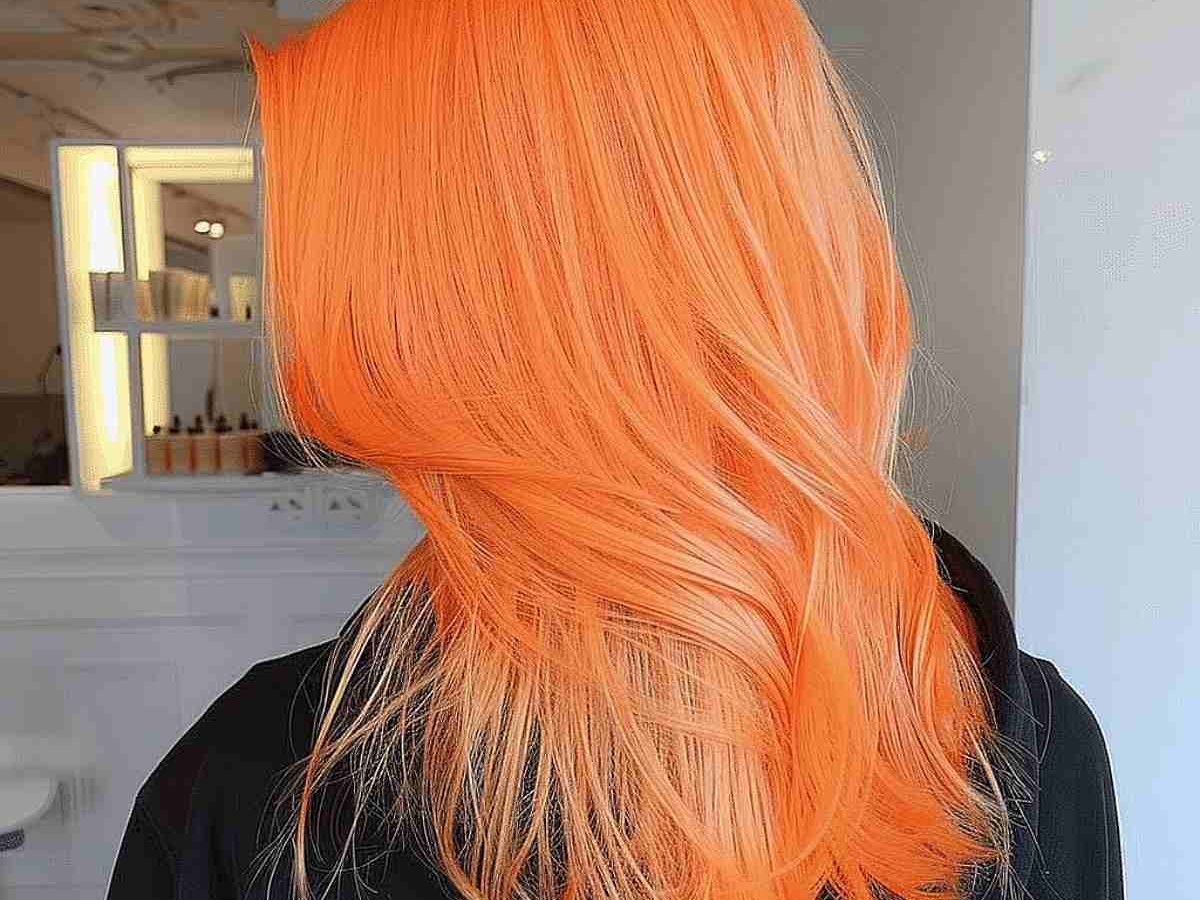
Many people assume orange hair is simply a bold fashion choice, but its story is far more complex. In reality, natural orange hair is one of the rarest hair colors in the world, occurring in only about 1-2% of the global population. This shade, often called ginger or strawberry blonde, has fascinated scientists, artists, and historians for centuries.
How Orange Hair Shapes Identity and Pop Culture
Orange hair carries a unique cultural weight. In ancient Greece and Rome, it was associated with Thracian and Celtic peoples, often viewed as exotic or barbaric. Fast forward to the 16th century, and Queen Elizabeth I of England (1533-1603) famously sported red-orange locks, making the color a symbol of royalty and power. In the 20th century, Lucille Ball’s orange-red hair became iconic on the sitcom “I Love Lucy” (1951-1957), cementing the shade in American pop culture. Today, orange hair appears frequently in anime and manga, with characters like Naruto Uzumaki sporting bright orange spikes. The color’s rarity makes it stand out, often leading to both admiration and stereotyping. In some cultures, redheads face prejudice, while in others they are celebrated. The rise of social media has amplified both trends, with hashtags like #gingerhair and #copperhair gaining millions of views on TikTok. This visibility has helped normalize and even glamorize orange hair, encouraging more people to try the shade through dye. A reference profile of the subject is maintained on 21 Orange Hair Color Shades Perfect for Any Season – Byrdie
Current Trends and What Comes Next for Orange Hair
In 2023, “copper hair” and “ginger hair” trends surged on platforms like TikTok, with influencers and celebrities alike embracing warm orange tones. This resurgence is partly driven by a broader shift toward warmer, more natural-looking hair colors after years of cool blondes and pastels. Hair salons report increased demand for copper balayage and full-head ginger shades. However, achieving and maintaining orange hair can be challenging. Orange hair dye contains large pigment molecules that fade quickly, especially on porous or previously colored hair. To get a vibrant result on dark natural hair, bleaching is typically required, which can cause damage. The future of orange hair may involve more sustainable dye options and better color-preserving products. Some brands are developing semi-permanent formulas that last longer without harsh chemicals. Additionally, the growing acceptance of natural red hair in media and fashion suggests that orange hair will remain a staple, whether natural or dyed.
The Science and Art of Orange Hair: From MC1R to Dye Chemistry
The genetic basis of natural orange hair lies in the MC1R gene. A mutation in this gene causes the body to produce more pheomelanin (a red-yellow pigment) and less eumelanin (brown-black pigment), resulting in red-orange hair. This mutation is most common in people of Northern European descent, particularly in Ireland and Scotland. For those without the gene, achieving orange hair requires chemical intervention. Synthetic orange hair dye became widely available in the 1950s, revolutionizing hair color options. The dye works by depositing pigment molecules into the hair shaft. Orange pigments are relatively large, which is why they tend to fade faster than smaller molecules found in darker dyes. To maintain the color, experts recommend using sulfate-free shampoos, washing with cool water, and applying color-depositing conditioners. For a natural-looking result, many stylists suggest a copper or ginger shade that complements the wearer’s skin tone. The art of dyeing orange hair involves balancing warmth and brightness, often using a mix of red and yellow tones.
Regional and Demographic Appeal of Orange Hair
Orange hair has distinct regional and demographic patterns. Natural red-orange hair is most prevalent in Ireland and Scotland, where up to 10% of the population may carry the MC1R mutation. In other parts of the world, such as Asia and Africa, natural orange hair is extremely rare, though it can occur due to genetic variation or albinism. In recent years, orange hair dye has gained popularity across diverse demographics. In East Asia, for example, copper and ginger shades have become trendy among young people, often seen in K-pop and J-pop fashion. In the United States, orange hair is embraced by both men and women, with celebrities like Rihanna and Zendaya occasionally sporting the look. The shade also has a strong presence in the LGBTQ+ community, where bold hair colors are often used as a form of self-expression. Despite its rarity, orange hair continues to captivate people worldwide, whether as a natural trait or a deliberate style choice.
Frequently Asked Questions
Why does orange hair fade faster than other colors?
Orange hair dye contains large pigment molecules that cannot penetrate the hair shaft as deeply as smaller molecules. This makes them more susceptible to washing out, especially with frequent shampooing or exposure to sunlight.
What is the cultural significance of orange hair in history?
Orange hair has been both revered and stigmatized. In ancient times, it was linked to Thracians and Celts. Queen Elizabeth I made it a royal fashion. In the 20th century, it became a Hollywood staple, but redheads also faced bullying in some societies.
Who is most likely to have natural orange hair?
Natural orange hair is most common in people of Northern European descent, particularly those with Irish or Scottish ancestry. The MC1R gene mutation responsible for the trait is recessive, so both parents must carry it for a child to have red-orange hair.
Where can I find reliable information on dyeing hair orange?
Reputable beauty websites like Byrdie offer detailed guides on achieving and maintaining orange hair. They cover everything from choosing the right shade to aftercare routines. Always consult a professional stylist for personalized advice.
What is the best way to maintain orange dyed hair?
Use sulfate-free shampoos, wash with cool water, and apply a color-depositing conditioner weekly. Avoid excessive heat styling and protect hair from UV rays. Touch up roots every 4-6 weeks to keep the color vibrant.
How to Choose the Right Shade of Orange for Your Skin Tone
Selecting the perfect orange hair color depends largely on your skin’s undertone. For warm skin tones with yellow or golden undertones, rich copper or auburn shades work beautifully. Those with cool skin tones, characterized by pink or blue undertones, may prefer strawberry blonde or a cooler ginger hue. Neutral skin tones can pull off a wide range, from bright tangerine to deep burnt orange. A simple test involves looking at the veins on your wrist: green veins suggest warm undertones, while blue veins indicate cool undertones. Consulting a professional colorist can help you find the most flattering shade, as they can assess your natural hair color and condition. Remember that the same orange shade can look different on various hair textures and lengths, so bring reference photos to your appointment.
DIY vs. Salon: Pros and Cons of Dyeing Hair Orange at Home
Dyeing your hair orange at home can be cost-effective and convenient, but it comes with risks. Box dyes often contain harsh chemicals and may not provide the exact shade you desire. Achieving a vibrant orange on dark hair typically requires bleaching first, which is a delicate process that can lead to uneven results or damage if done incorrectly. Salon professionals have access to higher-quality products and can customize the color to suit your complexion and hair health. They can also apply techniques like balayage or ombré for a more natural look. However, salon visits are more expensive and time-consuming. For first-timers, a salon is recommended to avoid common pitfalls like brassy tones or patchy color. If you choose the DIY route, opt for a reputable brand, perform a strand test, and follow instructions meticulously. Consider using a semi-permanent dye first to test the waters before committing to a permanent change.
Orange Hair Care Routine: Products and Tips for Long-Lasting Color
Maintaining orange hair requires a dedicated care routine to prevent fading and brassiness. Start with a sulfate-free shampoo and conditioner specifically formulated for color-treated hair. Sulfates strip away color molecules, accelerating fading. Wash your hair less frequently, ideally every 2-3 days, and use dry shampoo between washes. Cold water rinses help seal the hair cuticle, locking in color. Incorporate a color-depositing conditioner or hair mask once a week to refresh the orange tones. Products with ingredients like argan oil or keratin can help repair damage from bleaching. Avoid excessive heat styling; when you do use heat, apply a heat protectant spray. UV rays can also fade orange hair, so wear a hat or use a UV-protectant product when spending time outdoors. Regular trims every 6-8 weeks prevent split ends and keep the color looking fresh. With proper care, your orange hair can stay vibrant for 4-6 weeks before needing a touch-up.
Orange Hair in Fashion and Beauty: Iconic Looks and How to Recreate Them
Orange hair has graced runways and red carpets for decades. In the 1990s, supermodel Karen Elson became famous for her fiery red mane. More recently, celebrities like Zendaya and Rihanna have sported copper and ginger hues, inspiring countless fans. For a bold look, try a full-head vibrant orange, similar to the character Poison Ivy. A subtler approach is the copper balayage, where orange highlights are painted onto a darker base, creating dimension. The “strawberry blonde” look combines blonde with soft orange tones, perfect for those wanting a lighter effect. To recreate these looks at home, start with a base color that matches your natural shade, then apply highlights or lowlights using a brush. For a dramatic change, consider a two-tone style with orange on the ends and a darker root. Always use a toner to neutralize unwanted brassy tones. Social media platforms like Pinterest and Instagram offer endless inspiration; search for “copper hair ideas” or “ginger hair tutorial” to find step-by-step guides.
Frequently Asked Questions
How long does orange hair dye typically last?
Permanent orange hair dye can last 4-6 weeks before fading begins. Semi-permanent formulas may last 2-4 weeks. Factors like washing frequency, shampoo type, and sun exposure affect longevity. Using color-safe products and cool water can extend the life of your color.
Can I dye my hair orange without bleaching?
If your natural hair is light blonde or very light brown, you may achieve a visible orange without bleaching. For darker hair, bleaching is usually necessary to lift the natural pigment so the orange dye shows up vibrantly. A strand test can help determine the result.
What are the risks of dyeing hair orange at home?
Common risks include uneven color, brassy or muddy tones, and hair damage from improper bleaching. Allergic reactions to dye chemicals are also possible. Always perform a patch test 48 hours before application. Following instructions carefully minimizes these risks.
Is orange hair suitable for professional workplaces?
Acceptance of orange hair in professional settings varies by industry and company culture. Creative fields like fashion, media, and tech are often more tolerant. In conservative environments, a subtle copper or strawberry blonde may be more acceptable than a bright tangerine. Consider your workplace norms before making a drastic change.
How can I remove orange hair dye if I don’t like it?
To remove orange hair dye, you can use a color remover product, which lifts artificial pigment without bleach. Alternatively, washing with clarifying shampoo several times may fade the color. For stubborn dye, a professional salon can safely strip the color or correct it to a different shade.
How to Choose the Right Shade of Orange for Your Skin Tone
Selecting the perfect orange hair color depends largely on your skin’s undertone. For warm skin tones with yellow or golden undertones, rich copper or auburn shades work beautifully. Those with cool skin tones, characterized by pink or blue undertones, may prefer strawberry blonde or a cooler ginger hue. Neutral skin tones can pull off a wide range, from bright tangerine to deep burnt orange. A simple test involves looking at the veins on your wrist: green veins suggest warm undertones, while blue veins indicate cool undertones. Consulting a professional colorist can help you find the most flattering shade, as they can assess your natural hair color and condition. Remember that the same orange shade can look different on various hair textures and lengths, so bring reference photos to your appointment.
DIY vs. Salon: Pros and Cons of Dyeing Hair Orange at Home
Dyeing your hair orange at home can be cost-effective and convenient, but it comes with risks. Box dyes often contain harsh chemicals and may not provide the exact shade you desire. Achieving a vibrant orange on dark hair typically requires bleaching first, which is a delicate process that can lead to uneven results or damage if done incorrectly. Salon professionals have access to higher-quality products and can customize the color to suit your complexion and hair health. They can also apply techniques like balayage or ombré for a more natural look. However, salon visits are more expensive and time-consuming. For first-timers, a salon is recommended to avoid common pitfalls like brassy tones or patchy color. If you choose the DIY route, opt for a reputable brand, perform a strand test, and follow instructions meticulously. Consider using a semi-permanent dye first to test the waters before committing to a permanent change.
Orange Hair Care Routine: Products and Tips for Long-Lasting Color
Maintaining orange hair requires a dedicated care routine to prevent fading and brassiness. Start with a sulfate-free shampoo and conditioner specifically formulated for color-treated hair. Sulfates strip away color molecules, accelerating fading. Wash your hair less frequently, ideally every 2-3 days, and use dry shampoo between washes. Cold water rinses help seal the hair cuticle, locking in color. Incorporate a color-depositing conditioner or hair mask once a week to refresh the orange tones. Products with ingredients like argan oil or keratin can help repair damage from bleaching. Avoid excessive heat styling; when you do use heat, apply a heat protectant spray. UV rays can also fade orange hair, so wear a hat or use a UV-protectant product when spending time outdoors. Regular trims every 6-8 weeks prevent split ends and keep the color looking fresh. With proper care, your orange hair can stay vibrant for 4-6 weeks before needing a touch-up.
Orange Hair in Fashion and Beauty: Iconic Looks and How to Recreate Them
Orange hair has graced runways and red carpets for decades. In the 1990s, supermodel Karen Elson became famous for her fiery red mane. More recently, celebrities like Zendaya and Rihanna have sported copper and ginger hues, inspiring countless fans. For a bold look, try a full-head vibrant orange, similar to the character Poison Ivy. A subtler approach is the copper balayage, where orange highlights are painted onto a darker base, creating dimension. The “strawberry blonde” look combines blonde with soft orange tones, perfect for those wanting a lighter effect. To recreate these looks at home, start with a base color that matches your natural shade, then apply highlights or lowlights using a brush. For a dramatic change, consider a two-tone style with orange on the ends and a darker root. Always use a toner to neutralize unwanted brassy tones. Social media platforms like Pinterest and Instagram offer endless inspiration; search for “copper hair ideas” or “ginger hair tutorial” to find step-by-step guides.
Frequently Asked Questions
How long does orange hair dye typically last?
Permanent orange hair dye can last 4-6 weeks before fading begins. Semi-permanent formulas may last 2-4 weeks. Factors like washing frequency, shampoo type, and sun exposure affect longevity. Using color-safe products and cool water can extend the life of your color.
Can I dye my hair orange without bleaching?
If your natural hair is light blonde or very light brown, you may achieve a visible orange without bleaching. For darker hair, bleaching is usually necessary to lift the natural pigment so the orange dye shows up vibrantly. A strand test can help determine the result.
What are the risks of dyeing hair orange at home?
Common risks include uneven color, brassy or muddy tones, and hair damage from improper bleaching. Allergic reactions to dye chemicals are also possible. Always perform a patch test 48 hours before application. Following instructions carefully minimizes these risks.
Is orange hair suitable for professional workplaces?
Acceptance of orange hair in professional settings varies by industry and company culture. Creative fields like fashion, media, and tech are often more tolerant. In conservative environments, a subtle copper or strawberry blonde may be more acceptable than a bright tangerine. Consider your workplace norms before making a drastic change.
How can I remove orange hair dye if I don’t like it?
To remove orange hair dye, you can use a color remover product, which lifts artificial pigment without bleach. Alternatively, washing with clarifying shampoo several times may fade the color. For stubborn dye, a professional salon can safely strip the color or correct it to a different shade.