
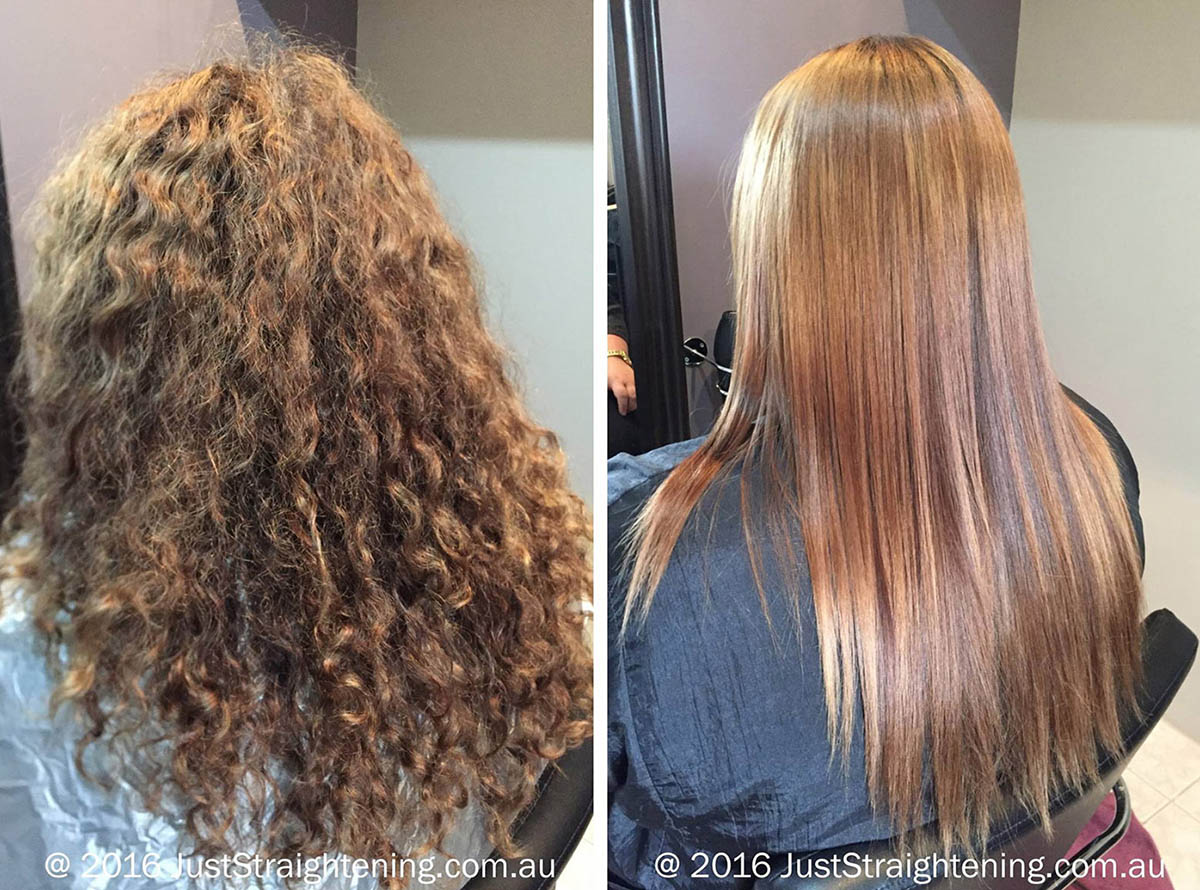
In a bustling salon in Tokyo during the 1990s, a new technique emerged that would change the hair industry forever. Japanese thermal reconditioning, also known as Yuko System, offered a way to permanently straighten hair by breaking and reforming disulfide bonds. This method, along with older techniques like relaxers and newer semi-permanent options, has made the quest for sleek, straight hair more accessible than ever. But what does “permanent” really mean when it comes to hair straightening, and what should you know before booking an appointment? On a related note, Best Haircuts for Guys Straight Hair: Styles That Work adds useful context
Current Regulations and Health Concerns Around Permanent Straightening
In 2024, the U.S. Food and Drug Administration (FDA) proposed a ban on formaldehyde-releasing hair straighteners, citing links to respiratory issues and cancer. This move followed years of advocacy from hairdressers and consumers who reported health problems after using certain products. Formaldehyde, a known carcinogen, was commonly used in Brazilian keratin treatments and other straightening formulas to lock in the straight style. The proposed ban has pushed manufacturers to reformulate products, but many salons still offer treatments containing formaldehyde or its derivatives. Consumers are advised to check ingredient lists and ask about chemical content before undergoing any permanent straightening procedure. Public records covering this story are gathered in 15 Simple Ways to Permanently Straighten Your Hair Naturally
Beyond formaldehyde, other chemicals like sodium hydroxide (used in relaxers) can cause scalp burns and hair breakage if left on too long. The risk is higher for individuals with sensitive skin or pre-existing scalp conditions. Some countries, including those in the European Union, have stricter regulations on these chemicals, but enforcement varies. As a result, the global market for hair straightening products, valued at over $1 billion in 2023, continues to evolve with safer alternatives.
Natural alternatives, such as coconut oil treatments and keratin-based products, have gained popularity since 2020. However, these are typically semi-permanent and do not alter the hair’s internal structure. For those seeking truly permanent results, the choice often comes down to traditional relaxers or thermal reconditioning, each with its own set of risks and benefits.
A Timeline of Key Developments in Permanent Hair Straightening
The history of permanent hair straightening dates back to the early 20th century. The first modern method, the “Marcelling” technique, was popularized in the 1920s. It used heated irons to create waves, but it was not truly permanent. In the 1930s, relaxers containing sodium hydroxide were introduced, offering a chemical solution that could straighten curly hair for weeks. These early relaxers were harsh and often caused burns, but they laid the groundwork for future innovations.
The 1990s saw a breakthrough with Japanese thermal reconditioning, developed in Japan and later known as the Yuko System. This method combined heat and chemicals to permanently straighten hair by breaking disulfide bonds. It became a global sensation, especially among people with thick, curly hair. Around the same time, Brazilian keratin treatments emerged in the 2000s, offering a semi-permanent alternative that smoothed hair without fully altering its structure. These treatments became wildly popular due to their ability to reduce frizz and add shine.
In the 2010s, concerns about formaldehyde in keratin treatments led to increased regulation and consumer awareness. The FDA’s proposed ban in 2024 marks the latest chapter in this ongoing story. Meanwhile, natural and organic straightening methods have gained traction, though they remain less effective for long-term results. The timeline shows a clear shift from harsh chemicals toward safer, more sustainable options, but the quest for permanent straightening continues.
Real-World Impact: How Permanent Straightening Affects Hair and Lives
For many people, permanent hair straightening is a transformative experience. It can reduce daily styling time, boost confidence, and make hair more manageable. However, the process is not without consequences. Chemical burns and hair breakage are common risks if the treatment is not applied correctly. Hair that has been previously colored or bleached is more vulnerable to damage, and permanent straightening can exacerbate existing issues.
Cultural relevance also plays a role. In some communities, straight hair is associated with professionalism or beauty standards, leading individuals to seek permanent solutions. This has sparked debates about self-acceptance and the pressure to conform to certain looks. On social media, influencers and hair care experts share before-and-after photos, tutorials, and warnings, creating a mixed message about the benefits and drawbacks.
Audience reaction varies widely. Some users report years of satisfaction with their straight hair, while others regret the damage and cost. The process typically lasts until new hair grows, requiring touch-ups every 3-6 months. This ongoing maintenance can be expensive and time-consuming. For those considering permanent straightening, consulting a professional and understanding the long-term commitment is essential.
What Is Confirmed and What Remains Unverified About Permanent Straightening
The first modern method, Marcelling, dates to the 1920s, and Japanese thermal reconditioning was developed in the 1990s. Brazilian keratin treatments, popular since the 2000s, are semi-permanent, not fully permanent. Relaxers using sodium hydroxide have been used since the early 20th century. Formaldehyde in some straighteners has been linked to health risks, leading to regulations in the 2010s and a proposed FDA ban in 2024.
What remains unverified includes the long-term safety of newer formaldehyde-free formulas. While many brands claim to be safe, independent studies are limited. The effectiveness of natural alternatives for permanent straightening is also disputed; most experts agree they cannot achieve the same results as chemical methods. Additionally, claims about “damage-free” permanent straightening should be viewed with skepticism, as any chemical process carries some risk. Consumers are encouraged to research thoroughly and consult multiple sources before deciding.
| Method | Permanence | Key Chemical |
|---|---|---|
| Relaxer | Permanent until new growth | Sodium hydroxide |
| Japanese Thermal Reconditioning | Permanent until new growth | Cysteine or thioglycolate |
| Brazilian Keratin Treatment | Semi-permanent (3-6 months) | Keratin, often with formaldehyde |
| Natural Alternatives | Temporary | Coconut oil, aloe vera |
Frequently Asked Questions
What is the most effective method for permanent hair straightening?
Japanese thermal reconditioning is widely considered the most effective for permanently straightening hair, as it chemically alters the hair’s structure. However, it works best on virgin hair and requires professional application to avoid damage.
How does a relaxer differ from a keratin treatment?
A relaxer permanently breaks disulfide bonds to straighten curly hair, while a keratin treatment coats the hair with protein to smooth it temporarily. Relaxers last until new growth appears, whereas keratin treatments fade after a few months.
How many times can you safely straighten your hair permanently?
There is no set number, but repeated chemical straightening can weaken hair over time. Most experts recommend waiting at least 6 months between treatments and only applying to new growth to minimize damage.
When did the FDA propose a ban on formaldehyde-releasing straighteners?
The FDA proposed the ban in 2024, following years of health concerns. The ban targets products that release formaldehyde, a known carcinogen, and aims to reduce risks for both consumers and salon workers.
Who should avoid permanent hair straightening?
Individuals with chemically treated, bleached, or damaged hair should avoid permanent straightening, as it can cause breakage. Pregnant women and those with sensitive scalps are also advised to consult a doctor before treatment.
How to Prepare for a Permanent Hair Straightening Appointment
Preparation is key to achieving the best results and minimizing damage. Most stylists recommend arriving with clean, dry hair that has not been washed for 24 to 48 hours. This allows natural oils to protect the scalp during the chemical process. Avoid using any styling products, as they can interfere with the straightening solution. If you have previously colored or bleached hair, a strand test is essential to assess how your hair will react. Some salons also recommend a deep conditioning treatment a week before the appointment to strengthen the hair. Discuss your hair history openly with your stylist, including any past chemical treatments or allergies. This transparency helps the professional choose the right formula and application technique for your specific hair type.
For those with sensitive skin, a patch test on a small area behind the ear or on the inner arm can identify potential allergic reactions. This is especially important for relaxers containing sodium hydroxide or thioglycolate. The cost of permanent straightening varies widely depending on the method, salon location, and hair length. In major cities, Japanese thermal reconditioning can range from $300 to $800 or more, while relaxers are generally less expensive, starting around $100. Budget for follow-up appointments every 3 to 6 months to maintain the look as new growth appears. Some salons offer package deals for multiple sessions, which can reduce overall costs.
Aftercare and Maintenance for Permanently Straightened Hair
Once you have undergone permanent straightening, proper aftercare is crucial to preserve the results and keep hair healthy. For the first 48 to 72 hours, avoid washing, bending, or tucking hair behind the ears, as the bonds are still settling. Use sulfate-free shampoos and conditioners designed for chemically treated hair to prevent stripping natural oils. Deep conditioning treatments once a week can help restore moisture lost during the process. Heat styling should be minimized, but if needed, use a heat protectant spray and keep the temperature below 350°F (175°C). Sleeping on a silk or satin pillowcase reduces friction and prevents frizz. Regular trims every 6 to 8 weeks remove split ends and maintain the sleek appearance.
Swimming in chlorinated pools or saltwater can cause discoloration and dryness, so wear a swim cap or apply a leave-in conditioner beforehand. Sun exposure can also fade color and weaken hair, so consider using UV-protectant products. As new hair grows, you will need touch-up treatments only on the regrowth, not the entire length. Overlapping chemicals on previously straightened hair can lead to severe breakage. Some people choose to transition back to their natural texture by letting the straightening grow out and cutting the processed ends gradually. This approach requires patience but reduces cumulative damage. Consulting your stylist for a personalized maintenance plan is always recommended.
Comparing Permanent Straightening Methods: Pros and Cons
Each permanent straightening method has distinct advantages and drawbacks. Relaxers are widely available and relatively affordable, but they can cause scalp irritation and require careful application to avoid burns. Japanese thermal reconditioning offers the sleekest results and works well on coarse, curly hair, but it is time-consuming (often 4 to 8 hours) and expensive. Brazilian keratin treatments are less damaging and add shine, but they are not truly permanent and require frequent reapplication. Natural alternatives like coconut oil masks are safe and nourishing but provide only temporary smoothing. The choice depends on your hair type, budget, and tolerance for risk. For example, fine hair may not withstand the high heat of thermal reconditioning, while very curly hair might need a stronger relaxer formula.
Another factor is the skill of the stylist. An experienced professional can minimize damage and achieve even results, while an inexperienced one may cause uneven straightening or chemical burns. Always check reviews and ask for before-and-after photos of previous clients. Some salons offer consultations where you can discuss your goals and get a realistic expectation of the outcome. Remember that no method can guarantee 100% straight hair in all humidity conditions, and some frizz may still occur. Managing expectations is part of the process. The table below summarizes the key differences to help you decide.
MethodProsConsRelaxerAffordable, widely available, effective on tight curlsCan cause burns, hair breakage, and scalp irritationJapanese Thermal ReconditioningSleek, long-lasting results, good for coarse hairExpensive, time-consuming, high heat can damage fine hairBrazilian Keratin TreatmentAdds shine, reduces frizz, less damagingSemi-permanent, may contain formaldehyde, requires frequent touch-upsNatural AlternativesSafe, nourishing, inexpensiveTemporary results, not effective for very curly hair
How to Choose the Right Stylist for Permanent Straightening
Selecting a qualified stylist is one of the most important decisions when pursuing permanent hair straightening. Look for professionals who specialize in chemical treatments and have verifiable experience with the specific method you want. Many stylists display certifications from training programs, such as those offered by Yuko or other thermal reconditioning brands. Online reviews on platforms like Yelp or Google can provide insight into client satisfaction and common issues. During a consultation, ask about the products they use and whether they are formaldehyde-free. A reputable stylist will be transparent about the process, risks, and expected outcomes. They should also perform a thorough hair analysis to determine if your hair is healthy enough for the treatment. If a stylist downplays the risks or guarantees perfect results, consider seeking a second opinion.
Word-of-mouth recommendations from friends or family who have had successful treatments can be invaluable. Social media groups dedicated to hair care often share stylist recommendations and warnings about bad experiences. In some regions, professional associations like the International Association of Trichologists can help you find certified practitioners. Remember that the cheapest option is not always the best; investing in a skilled stylist can save you from costly repairs later. Some salons offer a satisfaction guarantee or free touch-ups within a certain period, which can provide peace of mind. Ultimately, the right stylist will prioritize your hair’s health over profit and will advise against the treatment if your hair is not suitable.
Long-Term Considerations: Growing Out or Reversing Permanent Straightening
Once you commit to permanent straightening, reversing the process is not straightforward. The only way to return to your natural texture is to let the treated hair grow out and be cut off. This can take months or years, depending on your hair growth rate. Some people choose to transition by gradually trimming the straight ends while allowing new curls to grow. During this period, the contrast between straight and curly sections can be challenging to style. Using protective hairstyles like braids or buns can help blend the textures. Deep conditioning and protein treatments can strengthen the hair during the transition. If you decide to chemically reverse the straightening, such as by using a perm to add curls, this can cause severe damage and is generally not recommended.
Emotionally, growing out permanent straightening can be a journey of self-acceptance. Many individuals rediscover their natural curls and learn to embrace them. Online communities and curl-friendly stylists can provide support and advice. Some people find that their natural hair texture has changed after years of chemical treatments, becoming finer or more prone to breakage. In such cases, a gradual transition with regular trims is the safest approach. Ultimately, the decision to straighten permanently should not be taken lightly, as it involves a long-term commitment to maintenance and potential changes in hair health. Weighing the benefits of convenience and aesthetics against the risks and ongoing care is essential for making an informed choice.