
Hair tree oil is a marketing term, not a botanical substance. No plant named “hair tree” exists in scientific classification. The phrase gained traction on social media in 2023 and 2024, often referring to oils derived from trees such as argan, coconut, or tea tree. Understanding what this term actually covers helps consumers make informed choices for hair health.
Why the Term “Hair Tree Oil” Is Misleading and What It Actually Refers To
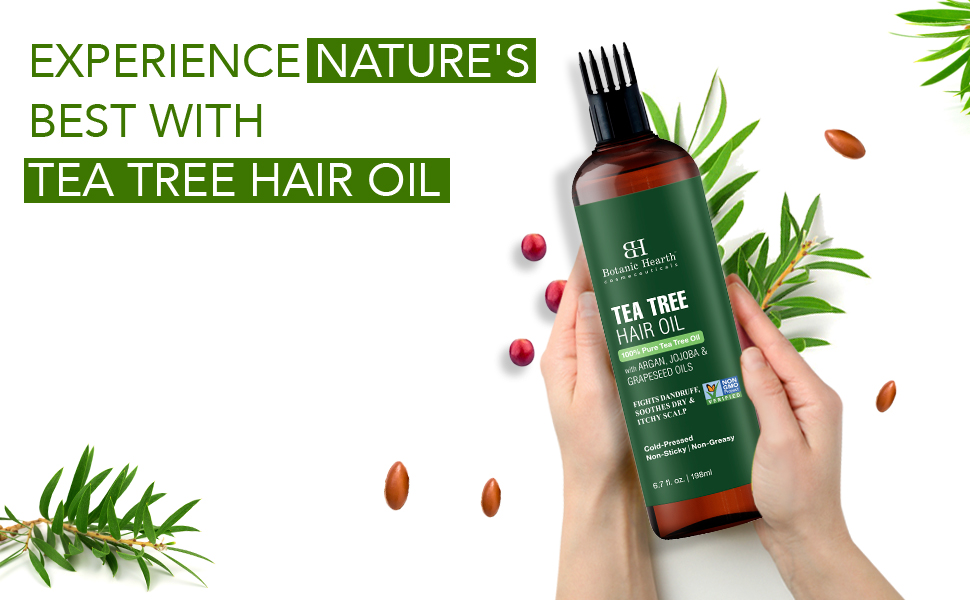
The phrase “hair tree oil” does not appear in any botanical database. It likely emerged from marketing campaigns that combined the word “hair” with tree-derived oils. Many products labeled with this term contain argan oil, coconut oil, or tea tree oil, but the vague naming can obscure the true ingredients. A reference profile of the subject is maintained on Tea Tree Oil for Hair: 5 Benefits and How to Use It – Verywell Health
Argan oil comes from the kernels of the argan tree, native to Morocco. It is rich in vitamin E and fatty acids, which help moisturize hair and reduce frizz. Coconut oil, extracted from the fruit of coconut palms, has been studied since the 1990s for its ability to penetrate the hair shaft and reduce protein loss. Tea tree oil, distilled from the leaves of Melaleuca alternifolia, is known for its antifungal and antibacterial properties, making it popular for scalp health.
The term is a catch-all that can confuse consumers. When you see it on a label, check the ingredient list for the specific tree oil used. Reputable brands list the exact botanical source, such as Argania spinosa (argan) or Cocos nucifera (coconut).
Social media trends in 2023 and 2024 popularized DIY hair treatments using the phrase “hair tree oil.” Many influencers mixed argan or coconut oil with essential oils and called it by this name. While these treatments can be beneficial, the lack of standardization means results vary.
Always verify the actual oil in a product. Cold-pressed oils retain more nutrients, so look for that on the label. Overuse of any tree oil can lead to buildup or scalp irritation in some individuals. Patch testing is recommended before widespread application.
How Different Regions and Demographics Use Tree Oils for Hair Care
Tree oils have been used in hair care for centuries across various cultures. In Morocco, argan oil has been a traditional remedy for dry hair and scalp since at least the 2000s, when it gained international popularity. Women in rural areas often apply it before washing to protect hair from harsh water.
In tropical regions like the Philippines and Indonesia, coconut oil is a staple. It is used as a pre-shampoo treatment, a leave-in conditioner, and even a styling aid. The oil’s ability to reduce protein loss makes it especially valuable for those with damaged or chemically treated hair.
Tea tree oil has a strong following in Australia, where the Melaleuca alternifolia tree is native. Indigenous Australians have used it for skin and scalp conditions for generations. Today, it is common in anti-dandruff shampoos and scalp treatments worldwide.
Younger demographics, particularly Gen Z and millennials, drive the recent “hair tree oil” trend on platforms like TikTok and Instagram. They often seek natural, plant-based alternatives to commercial hair products. However, the term’s ambiguity can lead to confusion about which oil to choose for specific hair types.
For example, those with fine hair may find coconut oil too heavy, while argan oil is lighter and absorbs quickly. Tea tree oil is best for oily scalps or dandruff but can be drying if used undiluted. Understanding these differences helps consumers select the right oil for their needs.
Geographic availability also matters. Argan oil is more expensive outside Morocco due to import costs. Coconut oil is widely available and affordable in most regions. Tea tree oil is commonly found in health food stores and pharmacies. The “hair tree oil” label often appears on products sold online, where ingredient transparency can be limited.
Behind the Scenes: How Tree Oils Are Produced and What Affects Quality
The production of tree oils for hair care involves several steps that influence their quality and efficacy. Argan oil is traditionally made by hand in Morocco. The fruit is harvested, dried, and the kernel is removed. The kernels are then cold-pressed to extract the oil. Cold pressing preserves heat-sensitive nutrients like vitamin E and essential fatty acids.
Coconut oil production varies by region. Virgin coconut oil is made from fresh coconut meat without high heat or chemicals. It retains a natural coconut scent and more antioxidants. Refined coconut oil undergoes bleaching and deodorizing, which removes some beneficial compounds but makes it more stable for cooking. For hair use, virgin coconut oil is generally preferred.
Tea tree oil is extracted through steam distillation of the leaves. The process requires careful temperature control to preserve the active compound terpinen-4-ol, which gives the oil its antifungal properties. Lower-quality tea tree oil may have reduced levels of this compound, making it less effective.
Quality indicators include the oil’s color, smell, and purity. Pure argan oil is golden yellow with a nutty aroma. Coconut oil is white at room temperature and melts at about 76°F (24°C). Tea tree oil is pale yellow with a strong medicinal scent. Products labeled “hair tree oil” often blend these oils with carriers like jojoba or grapeseed oil, which can dilute the active ingredients.
Third-party testing can verify purity. Look for certifications like USDA Organic or Ecocert. Some brands provide batch-specific test results for contaminants. The price is also a clue: genuine argan oil is rarely cheap, while coconut oil is more affordable. If a “hair tree oil” product costs very little, it likely contains mostly cheaper oils.
Storage affects shelf life. Tree oils should be kept in dark glass bottles away from heat and light. Argan oil lasts about two years, coconut oil up to two years, and tea tree oil about one to two years if sealed properly. Rancid oil can irritate the scalp and cause breakouts.
| Oil Type | Source Tree | Key Benefit for Hair | Typical Price Range |
|---|---|---|---|
| Argan Oil | Argania spinosa | Moisturizes, reduces frizz | Moderate to high |
| Coconut Oil | Cocos nucifera | Reduces protein loss | Low to moderate |
| Tea Tree Oil | Melaleuca alternifolia | Antifungal, scalp health | Moderate |
Comparing Hair Tree Oil to Argan, Coconut, and Tea Tree Oils: Which One Should You Choose?
When you encounter a product labeled “hair tree oil,” it helps to compare it directly with the three most common tree oils. Each has distinct properties that suit different hair types and concerns.
Argan oil is lightweight and high in vitamin E. It absorbs quickly without leaving a greasy residue. This makes it ideal for fine to medium hair that needs moisture without weight. It also helps tame flyaways and adds shine. People with curly or wavy hair often prefer argan oil for defining curls.
Coconut oil is heavier and more penetrating. It is the only oil proven to reduce protein loss in hair, according to studies from the 1990s and 2000s. This makes it excellent for damaged, brittle, or chemically treated hair. However, it can be too heavy for fine hair, causing it to look limp. It works best as a pre-wash treatment or deep conditioner.
Tea tree oil is not a moisturizer but a scalp treatment. Its antifungal and antibacterial properties help combat dandruff, itchiness, and scalp acne. It is often diluted in a carrier oil like jojoba or added to shampoos. Undiluted tea tree oil can cause irritation, so it must be used sparingly.
The term “hair tree oil” may appear on products that blend these oils. For example, a bottle might contain argan oil as the base with a few drops of tea tree oil for scalp benefits. While such blends can be effective, the vague labeling makes it hard to know the proportions. A consumer seeking pure argan oil might accidentally buy a diluted product.
Price is another differentiator. Pure argan oil costs more due to the labor-intensive extraction process. Coconut oil is cheaper and widely available. Tea tree oil is moderately priced. If a “hair tree oil” product costs the same as pure coconut oil, it likely contains mostly coconut oil with a small amount of argan or tea tree oil.
Ultimately, the best choice depends on your hair goals. For daily moisture, choose argan oil. For deep repair, choose coconut oil. For scalp issues, choose tea tree oil diluted in a carrier. Avoid products that only say “hair tree oil” without listing the specific oils. Reputable brands provide full ingredient lists and botanical names.
Frequently Asked Questions
What is hair tree oil made from?
Hair tree oil is not a single substance. It is a marketing term that usually refers to tree-derived oils like argan, coconut, or tea tree oil. Always check the ingredient list for the specific oil used.
When did the term “hair tree oil” become popular?
The term gained traction on social media platforms like TikTok and Instagram around 2023 and 2024. Influencers used it to describe DIY hair treatments made from tree oils, but it is not a recognized botanical term.
What is the best tree oil for hair growth?
No tree oil has been proven to directly stimulate hair growth. However, oils like argan and coconut can improve scalp health and reduce breakage, which may support healthier hair over time. Tea tree oil may help by reducing dandruff that can impede growth.
Why do some products use the name “hair tree oil” instead of the actual oil name?
Manufacturers may use the term to capitalize on a trending search phrase or to obscure the use of cheaper oils. It can also simplify marketing by grouping multiple tree oils under one label. Always read the full ingredient list.
Is hair tree oil safe for all hair types?
Safety depends on the actual oil inside. Argan oil is generally safe for most hair types. Coconut oil can be heavy for fine hair. Tea tree oil must be diluted to avoid irritation. Patch test any new oil before full application.
How to Identify Genuine Tree Oils and Avoid Misleading Labels
With the rise of the “hair tree oil” trend, consumers face a growing number of products that use vague or misleading labels. Learning to identify genuine tree oils can save money and prevent disappointment. The first step is to look beyond the front label and examine the ingredient list.
Reputable brands list the botanical name of the oil, such as Argania spinosa kernel oil for argan or Cocos nucifera oil for coconut. If a product only states “hair tree oil” without further detail, it may contain a blend of unknown oils. In some cases, the primary ingredient could be a cheap carrier oil like mineral oil or soybean oil, with only a trace of the advertised tree oil.
Check the order of ingredients. Ingredients are listed by weight, from highest to lowest. If “hair tree oil” appears near the end, the product contains very little of it. Look for the specific tree oil listed among the first few ingredients. For example, a quality argan oil product should list Argania spinosa kernel oil as the first or second ingredient.
Certifications can also guide your choice. USDA Organic, Ecocert, or COSMOS labels indicate that the oil meets certain purity standards. Some brands provide batch numbers and third-party test results on their websites.
Price is another clue. Pure argan oil typically costs between $10 and $30 for a small bottle, depending on the brand and origin. Coconut oil is much cheaper, often under $10 for a large jar. Tea tree oil falls in the middle. If a “hair tree oil” product is priced significantly lower than pure argan oil, it likely contains mostly cheaper oils.
Packaging matters too. Tree oils are sensitive to light and heat. Quality oils come in dark glass bottles, not clear plastic. The bottle should be sealed and stored away from direct sunlight. If the oil smells rancid or has an unusual color, it may be expired or adulterated.
Potential Risks and Side Effects of Using Tree Oils on Hair
While tree oils offer many benefits, they are not without risks. Overuse or improper application can lead to adverse effects. Understanding these risks helps you use tree oils safely and effectively.
Allergic reactions are possible with any tree oil. Argan oil is generally well-tolerated, but some people may develop contact dermatitis. Coconut oil can cause breakouts on the face or scalp for those with acne-prone skin. Tea tree oil is a common allergen; a patch test is essential before using it on the scalp. Apply a small amount to the inner arm and wait 24 hours to check for redness or irritation.
Scalp irritation can occur if oils are left on too long or used in high concentrations. Tea tree oil must always be diluted with a carrier oil like jojoba or coconut oil. Undiluted tea tree oil can cause burning, redness, and even chemical burns. A safe dilution ratio is 1-2 drops of tea tree oil per tablespoon of carrier oil.
Buildup is another concern. Heavy oils like coconut oil can accumulate on the scalp and hair if not washed out thoroughly. This can lead to clogged follicles, dandruff, and dull-looking hair. To avoid buildup, use tree oils sparingly and shampoo regularly. Clarifying shampoos once a month can remove excess oil residue.
Some tree oils can interact with hair treatments. For example, coconut oil can reduce the effectiveness of hair dyes by coating the hair shaft. If you color your hair, apply tree oils at least 24 hours before or after coloring. Similarly, tea tree oil may enhance the absorption of other products, so use it cautiously with strong chemicals.
Ingestion of tree oils is not recommended unless specifically labeled as food-grade. Argan oil is sometimes used in cooking, but tea tree oil is toxic if swallowed. Keep all tree oils out of reach of children and pets. If accidental ingestion occurs, seek medical help immediately.
How to Store Tree Oils for Maximum Shelf Life and Potency
Proper storage of tree oils preserves their beneficial properties. Heat, light, and air can degrade the fatty acids and antioxidants that make these oils effective for hair care. Store oils in a cool, dark place away from direct sunlight. A kitchen cabinet or bathroom drawer works well, but avoid areas near the stove or radiator.
Dark glass bottles offer the best protection. Amber or cobalt blue glass blocks UV rays that can cause oxidation. Plastic bottles are less ideal because they may allow air to seep in over time. If your oil comes in a plastic container, consider transferring it to a glass bottle with a tight seal.
Refrigeration can extend the shelf life of argan and tea tree oils, especially in warm climates. Coconut oil solidifies at cooler temperatures, which is normal and does not affect its quality. Simply warm the bottle in your hands or place it in a bowl of warm water to liquefy it before use.
Check for signs of spoilage before each use. Rancid oil has a sharp, unpleasant odor similar to old paint or crayons. It may also appear cloudy or develop sediment. Discard any oil that smells off, as applying rancid oil to the scalp can cause irritation or breakouts.