
Split ends are a common hair problem that occurs when the protective cuticle layer wears away, causing the hair fiber to fray or split. This article explains how to prevent split ends through proper care, including regular trims, gentle handling, and protective products.
Why Split Ends Matter for Hair Health and Appearance
Split ends are more than a cosmetic nuisance. They can travel up the hair shaft, causing further breakage and making hair look frizzy and dull. Many people notice split ends after heat styling or chemical treatments. The damage weakens hair over time, leading to uneven lengths and a lackluster appearance. Regular trims every six to eight weeks remove split ends before they worsen. This practice keeps hair looking healthy and reduces the need for more drastic cuts later. For those who grow their hair long, preventing split ends is essential to maintain length and strength. A consistent care routine can make a significant difference in overall hair quality. A reference profile of the subject is maintained on 7 Ways to Prevent Split Ends – Healthline
Comparing Split Ends Prevention Methods: Trims vs. Treatments
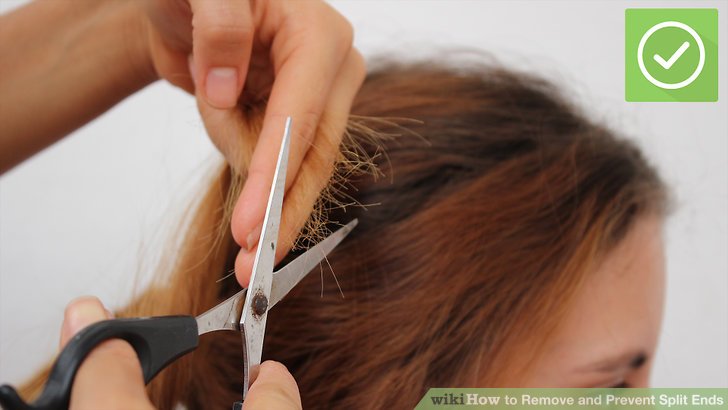
Two main approaches exist for managing split ends: preventive trims and restorative treatments. Trims physically remove the damaged ends, while treatments like deep conditioning or oils aim to strengthen the hair and reduce future splitting. The “search and destroy” method involves snipping individual split ends between trims, which can extend the time between full haircuts. Treatments such as protein masks or moisture-rich conditioners help reinforce the hair shaft. However, no treatment can truly repair a split end once it has formed; only cutting it off works. Combining both strategies—regular trims and weekly deep conditioning—offers the best results. Avoiding harsh chemicals and heat also plays a crucial role.
Behind the Scenes: How Hair Care Products and Habits Prevent Split Ends
Understanding the science behind split ends helps in choosing effective products. The hair cuticle, made of overlapping scales, protects the inner cortex. When the cuticle is damaged from heat, chemicals, or friction, the cortex becomes exposed and splits. Heat styling above 350°F (175°C) can cause immediate cuticle damage. Using a heat protectant spray before any hot tool application creates a barrier. Silk or satin pillowcases reduce friction while sleeping, preventing mechanical breakage. Wide-tooth combs are gentler on wet hair than brushes, as wet hair is more elastic and prone to snapping. Deep conditioning weekly with protein or moisture treatments strengthens the hair fiber. UV protection from hats or leave-in products with SPF shields hair from sun damage. These habits work together to maintain cuticle integrity.
The Origin of Split Ends Prevention: From Ancient Oils to Modern Science
Hair care practices to prevent split ends date back centuries. Ancient Egyptians used natural oils like castor and almond oil to condition hair. In the 20th century, the invention of hair dryers and curling irons introduced new risks. By the 1970s, salons began recommending regular trims every six to eight weeks as a standard preventive measure. The 1990s saw the rise of leave-in conditioners and serums containing silicones to seal the cuticle. Recent research, such as the 2023 study on argan oil, has validated traditional remedies. Today, the approach combines old wisdom with new technology, including heat protectants and protein treatments. Understanding this history helps consumers appreciate why certain methods are effective and how they evolved.
| Method | How It Works | Frequency |
|---|---|---|
| Regular trims | Removes split ends before they travel up | Every 6-8 weeks |
| Heat protectant | Forms a barrier against high temperatures | Before each heat styling |
| Silk pillowcase | Reduces friction and breakage | Nightly |
| Deep conditioning | Strengthens hair with protein or moisture | Weekly |
| Argan oil | Reduces split ends by 20% (2023 study) | As needed |
Frequently Asked Questions
How does a silk pillowcase differ from a cotton one for preventing split ends?
Silk pillowcases create less friction than cotton, reducing hair breakage and split ends. Cotton can absorb moisture and cause tangling, while silk allows hair to glide smoothly. This simple switch can significantly decrease mechanical damage overnight.
Who is most at risk for developing split ends?
People who frequently use heat styling tools, chemical treatments like bleaching or perming, or tight hairstyles are more prone to split ends. Those with long hair or naturally dry hair also face higher risk. Genetics and environmental factors like sun exposure play a role too.
Is it possible to repair split ends without cutting them?
No, once a split end forms, it cannot be truly repaired. Products can temporarily seal the split, but the damage remains. The only permanent solution is to cut the split end above the damage. Regular trims prevent splits from traveling up the shaft.
What is the best known method for preventing split ends in long hair?
Regular trims every six to eight weeks are the most effective method. Combining this with gentle handling—using a wide-tooth comb on wet hair, avoiding high heat, and sleeping on silk—helps maintain length. Deep conditioning weekly also strengthens hair.
Is there any truth to the rumor that split ends can be fixed with egg masks?
Egg masks provide protein that can temporarily strengthen hair, but they do not repair existing split ends. The rumor likely stems from the temporary smoothing effect. Only cutting removes split ends. Protein treatments are best used as a preventive measure.
How to Prevent Split Ends Through Proper Washing and Drying Techniques
Washing and drying hair incorrectly can contribute to split ends. Use lukewarm water instead of hot water, which strips natural oils. Shampoo only the scalp, letting the suds rinse through the lengths. Condition from mid-shaft to ends, and leave it on for a few minutes. Rinse with cool water to seal the cuticle. After washing, gently squeeze excess water from hair with a microfiber towel or an old t-shirt. Rubbing with a regular towel causes friction and breakage. Air drying is the gentlest option, but if you must blow-dry, use the lowest heat setting and keep the dryer moving. Never brush wet hair; use a wide-tooth comb starting from the ends and working upward. These steps minimize mechanical stress on the hair fiber.
How to Prevent Split Ends with Protective Hairstyles and Nighttime Care
Protective hairstyles reduce exposure to environmental damage and friction. Loose braids, buns, or twists keep ends tucked away. Avoid tight styles that pull on the hairline. At night, sleep on a silk or satin pillowcase, or wrap hair in a silk scarf. Loose ponytails or a pineapple bun for curly hair prevent tangling. Using a leave-in conditioner or hair oil before bed adds moisture. These practices reduce the daily wear and tear that leads to split ends. For active lifestyles, wearing a hat or scarf outdoors shields hair from sun and wind. Chlorine and salt water can also dry out hair; rinse immediately after swimming and apply a leave-in conditioner. Consistency with these habits yields long-term benefits.
How to Prevent Split Ends by Choosing the Right Products and Tools
Selecting appropriate hair care products and tools is essential. Look for shampoos and conditioners free of sulfates and alcohols, which can be drying. Products with ingredients like keratin, biotin, or argan oil strengthen hair. Heat protectants are non-negotiable before any hot tool use. Invest in quality tools: ceramic or tourmaline flat irons distribute heat evenly, reducing hot spots. Avoid metal brushes that can snag hair. Wide-tooth combs and seamless brushes minimize breakage. For those who color or chemically treat hair, use products specifically formulated for damaged hair. Deep conditioning masks with protein or moisture should be used weekly. A leave-in conditioner with UV protection adds an extra layer of defense. Reading labels and understanding ingredients helps in making informed choices.
How to Prevent Split Ends Through Diet and Lifestyle Adjustments
Internal health reflects in hair condition. A balanced diet rich in protein, vitamins, and minerals supports hair strength. Foods like eggs, salmon, nuts, and leafy greens provide essential nutrients. Biotin, vitamin E, and omega-3 fatty acids are particularly beneficial. Staying hydrated keeps hair moisturized from within. Reducing stress through exercise or meditation can also help, as stress hormones may affect hair growth and quality. Avoiding smoking and excessive alcohol consumption improves circulation to the scalp. While diet alone cannot reverse existing split ends, it supports overall hair health and reduces the likelihood of future damage. Supplements should be taken only after consulting a healthcare provider. A holistic approach complements external care routines.
How to Prevent Split Ends with Regular Maintenance and Professional Advice
Consistency is key when it comes to preventing split ends. Schedule trims every six to eight weeks, even if you are growing your hair. Ask your stylist to dust the ends rather than cut significant length. Between salon visits, inspect your hair for individual split ends and snip them with sharp hair shears. Avoid using regular scissors, which can cause further damage. Professional stylists can also recommend personalized products based on your hair type and condition. For those with curly or textured hair, consider the Curly Girl Method, which emphasizes gentle cleansing and minimal manipulation. Regular scalp massages stimulate blood flow and promote healthy hair growth. Keeping a hair care journal can help track what works and what doesn’t. Small, consistent efforts add up over time.
How to Prevent Split Ends by Avoiding Common Mistakes
Many people unknowingly contribute to split ends through daily habits. Over-washing strips natural oils; aim for two to three times per week. Using too much heat or high temperatures on styling tools is a major culprit. Always use a heat protectant and keep the temperature below 350°F. Tight hairstyles like high ponytails or buns cause tension and breakage at the ends. Chemical treatments such as bleaching, perming, or relaxing weaken the hair structure. If you must color, opt for semi-permanent dyes or highlights that are less damaging. Brushing hair from the roots down can snap strands; always start at the ends and work up. Sleeping with wet hair increases friction and tangling. Avoid using elastics with metal parts; choose soft fabric hair ties instead. Being mindful of these mistakes can dramatically reduce split ends.
How to Prevent Split Ends with Seasonal Adjustments
Hair care needs change with the seasons. In winter, indoor heating dries out hair, making it more prone to breakage. Increase deep conditioning treatments and use a humidifier to add moisture to the air. Wear a hat or scarf outdoors to protect hair from cold wind and snow. In summer, sun exposure and chlorine or salt water can damage the cuticle. Apply a leave-in conditioner with UV protection before going outside. Rinse hair immediately after swimming and follow with a moisturizing treatment. Humidity can cause frizz, which leads to tangling and breakage. Use anti-frizz serums or oils to smooth the cuticle. Adjusting your routine seasonally helps maintain hair health year-round.
How to Prevent Split Ends by Understanding Hair Porosity
Hair porosity refers to how well hair absorbs and retains moisture. Low porosity hair has tightly closed cuticles, making it resistant to moisture but less prone to damage. High porosity hair has raised cuticles, allowing moisture to enter easily but also escape quickly, leading to dryness and split ends. To determine your hair’s porosity, place a clean strand in a glass of water. If it floats, you have low porosity; if it sinks, high porosity. For low porosity hair, use lightweight products and avoid heavy oils. For high porosity hair, use protein treatments to fill gaps in the cuticle and seal with moisturizing products. Understanding porosity helps you choose the right products to prevent split ends.
How to Prevent Split Ends with DIY Natural Treatments
Natural ingredients can complement commercial products. Coconut oil penetrates the hair shaft and reduces protein loss. Apply it as a pre-wash treatment, leaving it on for 30 minutes before shampooing. Aloe vera gel soothes the scalp and adds moisture. Mix it with a few drops of essential oil and apply to the ends. Honey is a humectant that attracts moisture; combine it with yogurt for a conditioning mask. Avocado provides healthy fats and vitamins; mash it and apply to damp hair for 20 minutes. These treatments strengthen hair and reduce the likelihood of split ends. However, they cannot repair existing splits. Use them weekly as part of a preventive routine.
How to Prevent Split Ends by Adjusting Your Brushing and Styling Routine
Brushing technique matters more than most people realize. Always detangle hair starting from the ends and gradually working up to the roots. This approach prevents snapping and reduces stress on the hair shaft. Use a brush with flexible bristles, such as a boar bristle or a paddle brush with rounded tips. Avoid brushing wet hair unless you use a wide-tooth comb. For styling, limit the use of elastic bands that can cause breakage. Instead, try spiral hair ties or scrunchies made of silk or satin. When using clips or pins, choose ones without sharp edges. Heat styling should be reserved for special occasions. On days when you do not style, let your hair air dry and wear it loose or in a low, loose bun. These small adjustments reduce cumulative damage over time.
How to Prevent Split Ends with a Consistent Nighttime Routine
Nighttime care is often overlooked but crucial for preventing split ends. Before bed, apply a small amount of hair oil or leave-in conditioner to the ends. This locks in moisture and reduces friction. Braid your hair loosely or twist it into a protective style. Sleeping on a silk or satin pillowcase is one of the most effective changes you can make. If you have long hair, consider a “pineapple” ponytail on top of your head to prevent tangling. For those with short hair, a silk bonnet works well. Avoid going to bed with wet hair, as it is more fragile and prone to breakage. A consistent nighttime routine can significantly reduce split ends over weeks and months.
How to Prevent Split Ends by Monitoring Hair Health Regularly
Regular self-checks help catch split ends early. Once a week, examine a small section of hair under good light. Look for white or frayed tips. If you find any, snip them immediately with sharp hair shears. This practice, known as dusting, prevents splits from traveling upward. Keep a pair of professional shears dedicated to hair trimming only. Using dull scissors can crush the hair fiber and create more splits. For those who prefer professional help, schedule a trim every six to eight weeks. Between appointments, maintain a log of your hair’s condition. Note any changes in texture, breakage, or split ends. This record helps you identify which products or habits are working. Early detection is the simplest way to prevent extensive damage.
How to Prevent Split Ends by Embracing Low-Manipulation Styles
Low-manipulation hairstyles minimize handling and reduce stress on hair. Styles like loose braids, buns, or twists keep ends protected and reduce tangling. Avoid styles that require daily redoing, such as tight ponytails or elaborate updos. For natural hair, protective styles like box braids or twists can be worn for weeks with proper care. However, ensure they are not too tight to avoid traction alopecia. When removing styles, be gentle and use a detangling spray. Low-manipulation does not mean no maintenance; it means choosing styles that require less frequent styling and handling. This approach gives hair a break from daily wear and tear, significantly reducing split ends over time.