
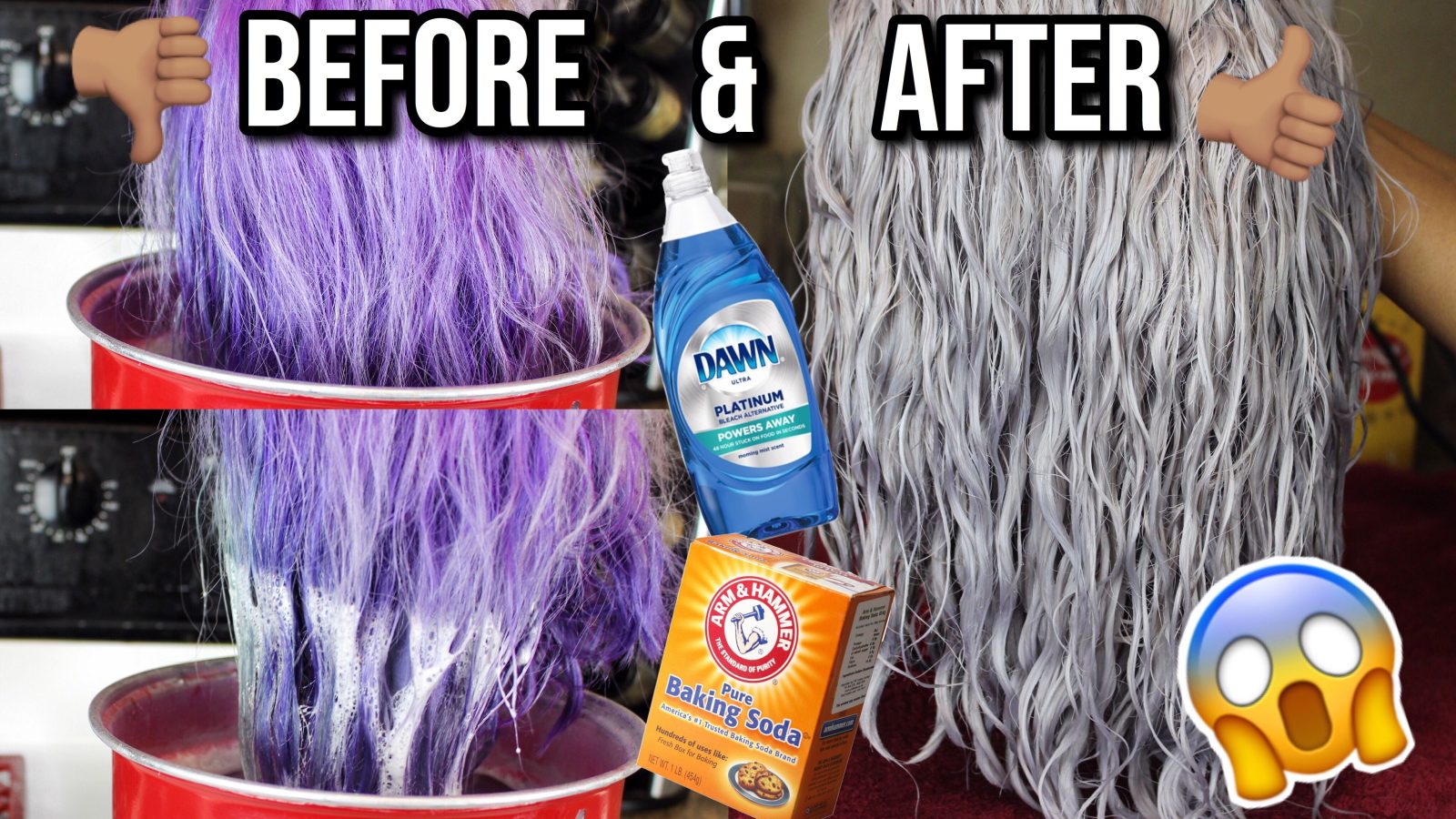
It was a Saturday afternoon when the bathroom mirror revealed a color that was supposed to be “chocolate brown” but looked more like eggplant. Semi-permanent hair dye, loved for its gentle formula and temporary commitment, can sometimes overstay its welcome. Unlike permanent dyes that penetrate the cortex, semi-permanent color coats the hair shaft without ammonia or peroxide, which means removal is possible without harsh chemicals.
How Semi-Permanent Dye Bonds to Hair and Why Removal Differs
Semi-permanent hair dye works by depositing color molecules onto the outer cuticle layer of the hair strand. Because there is no ammonia to lift the cuticle or peroxide to open the cortex, the dye sits on the surface. This makes it less durable than permanent color but also easier to remove. The dye molecules are larger than those in permanent formulas, so they cannot penetrate deeply. Over time, washing, heat, and exposure to sunlight gradually break down these molecules. Hair porosity plays a major role in how long the color lasts. Porous hair, often from previous chemical treatments or heat styling, absorbs more dye and holds it longer. Low-porosity hair may reject the color faster. According to some sources, semi-permanent dye typically fades within 4 to 12 washes, but individual results vary widely. Understanding this bonding process is the first step in choosing a removal method that works without causing unnecessary damage. A reference profile of the subject is maintained on How to Remove Semi-Permanent Hair Dye: 5 Effective Methods
The removal process for semi-permanent dye is fundamentally different from stripping permanent color. Permanent dye requires chemical removers that break the bonds inside the hair shaft. Semi-permanent dye, being surface-level, responds well to physical and mild chemical methods. Clarifying shampoos, for example, contain stronger surfactants than regular shampoos. These surfactants lift oils and product buildup, which includes the dye molecules clinging to the cuticle. Hot water helps open the cuticle slightly, allowing the surfactants to work more effectively. However, hot water can also dry out the hair, so it is best used sparingly. Another factor is the pH level of the products used. Alkaline substances like baking soda can swell the cuticle, releasing trapped dye. Acidic rinses like apple cider vinegar can help seal the cuticle after removal, restoring shine and balance. The key is to use methods that target the surface without penetrating the cortex, preserving the hair’s integrity.
Recent trends in 2023 have shifted toward gentler removal techniques. Many hair care enthusiasts now prefer vitamin C treatments over commercial color removers. The reason is simple: vitamin C is a mild acid that can break down dye molecules without stripping natural oils. When mixed with anti-dandruff shampoo, which contains stronger cleansing agents, it creates a paste that can lighten semi-permanent color in about 30 minutes. This method has gained popularity on social media platforms and hair forums. Another gentle approach is the baking soda paste. Baking soda acts as a mild abrasive and an alkaline substance. When mixed with water in a 3:1 ratio and applied for 15 minutes, it can help fade the color. However, baking soda can be drying, so a deep conditioner afterward is essential. Dish soap, such as Dawn, is another household item that can break down the oils in the dye. Because dish soap is designed to cut grease, it can be effective but should be used sparingly to avoid extreme dryness. Each of these methods has its own set of precautions, and patch testing is always recommended before full application.
The Origins of Semi-Permanent Hair Dye and Its Rise in Popularity
Semi-permanent hair dye has a history that dates back to the early 20th century, but its modern form emerged in the 1950s. Before that, hair coloring was largely permanent or required harsh chemicals. The invention of semi-permanent formulas offered a less damaging alternative for those who wanted temporary color changes. In the 1960s and 1970s, as fashion and self-expression became more experimental, semi-permanent dyes gained traction. Brands like Manic Panic, founded in 1977 in New York City, pioneered vibrant semi-permanent colors for the punk and alternative scenes. These dyes allowed people to change their hair color frequently without the commitment of permanent dye. The 1990s saw a surge in at-home hair coloring, with drugstore brands offering semi-permanent options in a variety of shades. By the 2000s, the market had expanded to include natural-looking tones as well as bold fashion colors. Today, semi-permanent dye is a staple in both professional salons and home bathrooms.
The appeal of semi-permanent dye lies in its low risk and high flexibility. Unlike permanent dye, it does not require a developer or a separate bleaching step for most shades. This makes it accessible to people who are new to hair coloring or who want to experiment without damaging their hair. The dye gradually fades with each wash, allowing for a natural transition or easy color changes. This characteristic has made it particularly popular among younger demographics and those who follow seasonal color trends. Social media platforms like Instagram and TikTok have further fueled its popularity, with users sharing tutorials on how to achieve vibrant colors at home. The rise of the “clean beauty” movement has also influenced the market, with many brands now offering semi-permanent dyes free from ammonia, parabens, and sulfates. These formulations are marketed as gentler on the hair and scalp, aligning with consumer demand for safer products.
Despite its gentle reputation, semi-permanent dye can sometimes be stubborn. Factors such as hair porosity, the specific dye formula, and the number of applications can affect how long the color lasts. Some semi-permanent dyes are designed to last longer, using smaller molecules that penetrate deeper into the cuticle. These are sometimes called “demi-permanent” dyes, though the line between the two can be blurry. For those who find their semi-permanent color lingering longer than desired, removal methods become necessary. The good news is that because the dye is surface-level, most removal techniques are effective without causing significant damage. However, it is important to choose a method that matches your hair type and condition. For example, someone with dry or damaged hair should avoid harsh methods like dish soap and opt for gentler options like vitamin C or coconut oil pre-treatment. Understanding the origin and chemistry of semi-permanent dye helps in making informed decisions about both application and removal.
A Timeline of Key Moments in Semi-Permanent Dye Removal Techniques
The evolution of semi-permanent dye removal methods mirrors the development of hair care science and consumer preferences. In the 1970s, when semi-permanent dyes first became widely available, removal was often a matter of waiting for the color to fade naturally. People used frequent washing with hot water and harsh shampoos to speed up the process. By the 1980s, home remedies like lemon juice and vinegar rinses became popular. These acidic substances were known to lighten hair, but they could also cause dryness and damage if overused. The 1990s brought the introduction of clarifying shampoos, which were originally designed to remove product buildup. Hair enthusiasts quickly discovered that these shampoos could also strip semi-permanent color. Brands like Neutrogena and Paul Mitchell released clarifying formulas that became go-to products for color removal.
The early 2000s saw the rise of commercial color removers specifically formulated for semi-permanent dyes. Products like Color Oops and Colorfix entered the market, offering a more controlled removal process. These products typically use reducing agents to break down dye molecules without bleaching the hair. They became popular among those who wanted to correct color mistakes or remove buildup from multiple applications. Around the same time, the internet began to play a significant role in sharing removal techniques. Online forums and early blogs featured user-generated content on methods like vitamin C treatments and baking soda pastes. By the 2010s, social media platforms like YouTube and Pinterest became hubs for hair care tutorials. Influencers demonstrated step-by-step removal processes, often using household ingredients. The trend toward natural and gentle methods gained momentum, with many users advocating for vitamin C and coconut oil over chemical removers.
In the 2020s, the conversation around hair health and sustainability has influenced removal practices. More people are seeking methods that minimize damage and environmental impact. The use of dish soap, while effective, has been criticized for its harshness and potential to strip natural oils. In response, brands have developed gentler clarifying shampoos and pre-treatment oils. The year 2023 saw a surge in interest in vitamin C treatments, with many hair care experts recommending it as a first-line approach. Professional salons have also adapted, offering removal services that use steam or heat to accelerate fading without chemicals. The timeline of these techniques shows a clear shift from harsh, experimental methods to more researched and gentle approaches. Today, consumers have a wide range of options, from DIY home remedies to professional treatments, allowing them to choose based on their hair type and the intensity of the color.
One notable milestone was the discovery that heat can accelerate the fading of semi-permanent dye. Blow dryers, flat irons, and even sun exposure can break down dye molecules faster. This knowledge has led to techniques that combine heat with other removal methods. For example, applying a vitamin C paste and then covering the hair with a shower cap under a blow dryer can enhance the lightening effect. Similarly, using a warm coconut oil treatment before washing can help loosen the dye. These combination methods are often more effective than using a single approach. However, they also require caution to avoid overheating the hair. The timeline of removal techniques is not just about products but also about understanding the science behind them. As research continues, new methods may emerge that are even more effective and gentle.
| Method | Key Ingredient | Application Time | Effectiveness |
|---|---|---|---|
| Clarifying Shampoo | Strong surfactants | 5-10 minutes | Moderate |
| Vitamin C Treatment | Ascorbic acid | 30 minutes | High |
| Baking Soda Paste | Sodium bicarbonate | 15 minutes | Moderate |
| Dish Soap | Degreasing agents | 5-10 minutes | High but drying |
| Apple Cider Vinegar Rinse | Acetic acid | 15-20 minutes | Low to moderate |
What Is Confirmed and What Remains Unverified About Dye Removal
There is strong consensus among hair care professionals that semi-permanent dye removal is achievable without bleach or harsh chemicals. Methods like clarifying shampoo, vitamin C, and baking soda are widely recommended and have been tested by countless users. The effectiveness of these methods is supported by anecdotal evidence and the basic chemistry of how semi-permanent dye bonds to hair. Similarly, vitamin C’s acidic nature can break down dye molecules, especially when combined with a cleansing shampoo. These facts are not disputed. However, the exact degree of fading varies from person to person. Hair porosity, the specific dye brand, and the number of applications all influence the outcome. Some users report complete removal in one session, while others need multiple treatments.
What remains unverified is the long-term effect of these removal methods on hair health. While vitamin C and baking soda are generally considered safe, frequent use can lead to dryness and brittleness. There is no large-scale scientific study that quantifies the damage from repeated baking soda treatments. Most advice is based on individual experiences and expert opinion. Another area of uncertainty is the interaction between different removal methods. For example, using baking soda followed by apple cider vinegar might create a pH swing that could be harsh on the hair cuticle. Some sources recommend avoiding this combination, but there is no definitive research. Additionally, the claim that coconut oil pre-treatment can prevent dye absorption is supported by the fact that oil can fill the cuticle and block dye molecules. However, the effectiveness of this method for removal (as opposed to prevention) is less clear. Some users find that coconut oil helps loosen the dye, while others see no difference.
These products contain chemicals like sodium hydrosulfite, which can have a strong odor and may cause scalp irritation. The manufacturer’s instructions emphasize patch testing and limiting exposure time. While many users have successful results, there are reports of hair damage if left on too long. The distinction between semi-permanent and demi-permanent dyes also adds confusion. Some products marketed as semi-permanent actually contain small amounts of peroxide, making them more resistant to removal. In such cases, gentle methods may not be sufficient, and professional intervention might be needed. Consumers are advised to read product labels carefully and, if unsure, consult a stylist. The bottom line is that while many removal methods are effective, individual results can vary, and caution is always warranted.
Another unverified claim is that heat accelerates fading in a predictable way. While it is true that heat can break down dye molecules, the optimal temperature and duration are not standardized. Some tutorials recommend using a blow dryer on low heat for 15 minutes, but there is no evidence that this is more effective than simply waiting. Overheating can damage the hair, so it is best to use moderate heat and monitor the process. The role of hair porosity in removal is well-established, but there is no simple test to measure porosity at home. Many online guides suggest the float test (placing a hair strand in water), but its accuracy is questionable. Professional stylists often assess porosity by feel and observation. For those seeking reliable information, consulting a professional is the safest route.
Frequently Asked Questions
Can I use bleach to remove semi-permanent hair dye?
Bleach is not recommended for semi-permanent dye removal because it is unnecessarily harsh. Semi-permanent dye sits on the hair shaft, so bleach can cause significant damage without providing better results than gentler methods. Stick to clarifying shampoo, vitamin C, or baking soda.
How many washes does it take for semi-permanent dye to fade naturally?
Semi-permanent dye typically fades within 4 to 12 washes, depending on hair porosity, the specific dye formula, and how often you wash your hair. Using hot water and clarifying shampoo can speed up the process. Each wash removes some color, so the exact number varies.
Why does my semi-permanent hair dye not come out with regular shampoo?
Regular shampoos are formulated to be gentle and may not contain strong enough surfactants to lift dye molecules from the hair shaft. Semi-permanent dye can cling to the cuticle, especially on porous hair. Clarifying shampoos or dish soap are more effective because they have stronger cleansing agents.
Is it safe to use baking soda on colored hair?
Baking soda is generally safe for occasional use, but it can be drying because of its alkaline pH. It may strip natural oils and cause frizz if used too often. Always follow with a deep conditioner. For frequent removal, consider gentler methods like vitamin C or clarifying shampoo.
Where can I find professional help for removing semi-permanent dye?
Professional salons offer color removal services that use gentle techniques like steam treatments or professional-grade removers. You can search for salons in your area that specialize in corrective color. Many stylists also provide consultations to recommend the best approach for your hair type.