
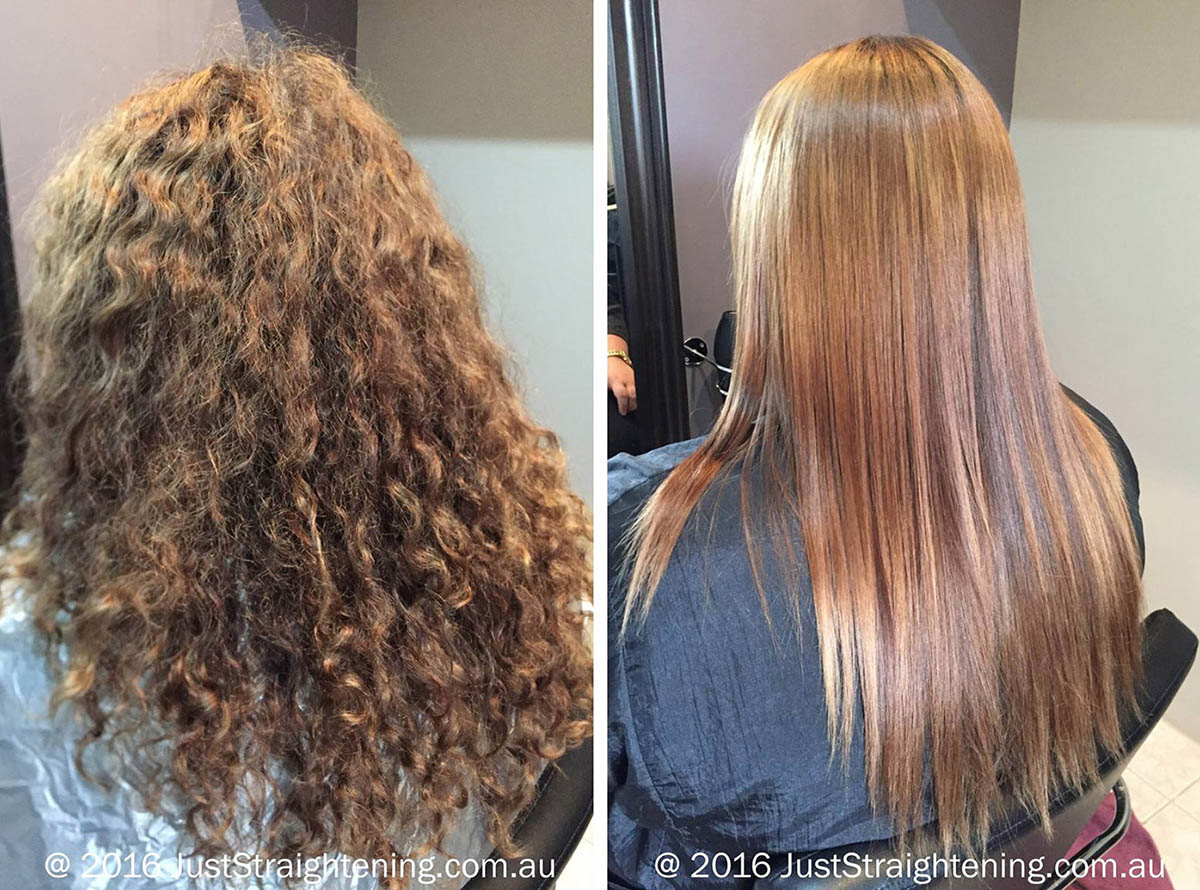
Search interest in permanent straightening has surged as new health warnings and legal actions reshape the industry. A 2022 NIH study linking chemical straighteners to uterine cancer has prompted many to question the safety of these treatments. Understanding the history, science, and risks of permanent straightening is essential for making informed choices.
How Permanent Straightening Evolved from 1920s Marcelling to Modern Methods
The quest for straight hair has a long history. The first widely popular method, the Marcelling wave, emerged in the 1920s. It used heated irons to create temporary waves, not permanent straightening. The true breakthrough came in the 1990s with Japanese thermal straightening, also known as Yuko. Developed in Japan, this method used a chemical solution to break hair bonds, followed by flat ironing to reset them in a straight shape. It offered lasting results until new growth appeared. A reference profile of the subject is maintained on Permanent Hair Straightening: Types and Side Effects – Healthline
In the 2000s, Brazilian keratin treatments gained traction as a semi-permanent alternative. These treatments coat the hair with keratin and seal it with heat, reducing frizz for several months. Unlike Yuko, they do not permanently alter the hair’s internal structure. Relaxers, another category, use alkaline chemicals like sodium hydroxide to break disulfide bonds. They have been used for decades, particularly in Black communities, to achieve straight styles.
The global hair straightening market was valued at over $2 billion in 2023, reflecting sustained demand. However, the evolution of these methods has not been without controversy. Many early formulations contained formaldehyde, a known carcinogen. In 2022, the FDA proposed a ban on formaldehyde in hair straighteners due to health risks. This move followed years of advocacy and mounting evidence of harm.
Today, consumers face a confusing array of options. Some products claim to be formaldehyde-free but may release the chemical when heated. Understanding the origins of each method helps clarify what is actually being applied to the hair.
Common Misconceptions About Permanent Straightening and What Science Says
One widespread myth is that permanent straightening is the same as a keratin treatment. In reality, keratin treatments are semi-permanent and wash out over time, while permanent straightening chemically alters the hair’s bonds. Another misconception is that all straightening products are safe if used by a professional. However, even salon-grade products can contain formaldehyde or formaldehyde-releasing agents.
Many believe that hair straightening is purely cosmetic and carries no long-term health risks. The 2022 NIH study found that women who used chemical straighteners frequently had a higher risk of uterine cancer. Black women are disproportionately affected due to cultural norms and targeted marketing. The study analyzed data from over 33,000 women and found a 30% increased risk among frequent users.
Another myth is that damage from straightening is always reversible. Severe breakage and scalp burns can occur, especially with relaxers. The chemical process weakens hair fibers, and repeated treatments can lead to permanent thinning. Some assume that natural or organic straightening products are risk-free. However, the term “natural” is not regulated, and some products still contain harsh chemicals.
Finally, there is a misconception that formaldehyde is no longer used in hair straighteners. While many brands have reformulated, some products still contain methylene glycol, which releases formaldehyde when heated. The FDA’s proposed ban aims to close this loophole. Consumers should read labels carefully and look for third-party certifications.
How Chemical Straighteners Work and the Health Risks They Pose
Permanent straightening relies on breaking and reforming disulfide bonds in the hair. Relaxers use strong alkalis like sodium hydroxide or guanidine hydroxide to break these bonds. The hair is then neutralized to lock in the straight shape. Japanese thermal straightening uses a different chemical, often ammonium thioglycolate, followed by heat to reset bonds. Both methods permanently alter the hair until new growth appears.
The health risks associated with these chemicals are significant. Formaldehyde, a common ingredient in many straightening products, is classified as a carcinogen by the International Agency for Research on Cancer. Short-term exposure can cause eye, nose, and throat irritation. Long-term exposure has been linked to certain cancers. The 2022 NIH study specifically highlighted uterine cancer risk, with the strongest associations among frequent users.
Scalp burns and hair breakage are common physical side effects. Relaxers can cause chemical burns if left on too long or applied to sensitive skin. Overprocessing leads to brittle hair that snaps off. Some users experience hair loss that may be permanent. The damage is not limited to the hair; the chemicals can also affect the respiratory system when inhaled during application.
Recent lawsuits have alleged that companies failed to warn consumers about these risks. Plaintiffs claim that manufacturers knew about the dangers of formaldehyde but continued to market products as safe. The legal landscape is evolving, with some cases resulting in settlements. Consumers are advised to seek alternatives and to consult with a dermatologist before undergoing treatment.
| Method | Duration | Key Chemical | Health Concern |
|---|---|---|---|
| Relaxer | Permanent until new growth | Sodium hydroxide | Scalp burns, hair breakage |
| Japanese thermal straightening | Permanent until new growth | Ammonium thioglycolate | Hair damage, odor |
| Brazilian keratin treatment | Semi-permanent (2-5 months) | Formaldehyde (often) | Cancer risk, respiratory issues |
| Marcelling (historical) | Temporary | Heat only | Minimal |
Comparing Permanent Straightening with Keratin Treatments and Other Alternatives
Permanent straightening differs fundamentally from keratin treatments. Keratin treatments coat the hair with protein and seal it with heat, smoothing the cuticle without breaking internal bonds. They last a few months and gradually wash out. In contrast, permanent straightening alters the hair’s structure, so new growth is curly or wavy. This means regrowth requires touch-ups, which can lead to overprocessing.
Another alternative is chemical-free straightening using heat styling tools. Flat irons and blow-drying can achieve temporary straightness without chemicals. However, frequent heat use can also damage hair. Some people opt for natural methods like hair botox, which uses a filler to smooth the hair, but results are temporary.
For those seeking long-term straightening without harsh chemicals, Japanese thermal straightening is often considered more effective than relaxers for certain hair types. However, it is not suitable for all textures and can cause damage if not done correctly. Relaxers are more commonly used on coarser hair but carry higher risks of burns and breakage.
The choice between methods depends on hair type, desired duration, and tolerance for risk. Consumers should weigh the convenience of permanent straightening against the potential health consequences. Consulting a professional stylist and asking about ingredients is crucial. Some salons now offer formaldehyde-free options, but these may still contain other chemicals.
Ultimately, no chemical straightening method is entirely risk-free. The safest approach is to embrace natural texture or use temporary methods. For those who choose permanent straightening, understanding the differences between treatments can help minimize harm.
Frequently Asked Questions
Why did the FDA propose a ban on formaldehyde in hair straighteners?
The FDA proposed the ban in 2022 after years of evidence linking formaldehyde to cancer and respiratory issues. Formaldehyde is a known carcinogen, and many straightening products release it when heated. The ban aims to protect consumers and salon workers from prolonged exposure.
Is it true that permanent straightening causes cancer, or is that a rumor?
A 2022 NIH study found a link between frequent use of chemical straighteners and increased uterine cancer risk. While not every user will develop cancer, the association is strong enough to warrant caution. The risk is higher for Black women due to higher usage rates.
What is permanent straightening and how does it work?
Permanent straightening is a chemical process that breaks and reforms the disulfide bonds in hair to make it straight. It lasts until new hair grows. Methods include relaxers (using alkalis) and Japanese thermal straightening (using thioglycolate and heat).
When did Japanese thermal straightening become popular?
Japanese thermal straightening, also known as Yuko, was developed in the 1990s in Japan. It gained international popularity in the early 2000s as a method for achieving sleek, straight hair that lasts until new growth appears.
How does permanent straightening differ from a Brazilian keratin treatment?
Permanent straightening alters the hair’s internal bonds, making it permanently straight until new growth. Brazilian keratin treatments are semi-permanent; they coat the hair with keratin and wash out over 2-5 months. Keratin treatments do not break bonds and are generally less damaging, but may still contain formaldehyde.
Regulatory Changes and Legal Actions Shaping the Industry
The regulatory landscape for hair straighteners has shifted dramatically in recent years. In 2022, the FDA proposed a ban on formaldehyde in hair straightening products, citing cancer risks. This proposal followed decades of advocacy from consumer groups and salon workers who reported health issues. The ban is not yet finalized, but it has already prompted many manufacturers to reformulate their products.
Several states have taken independent action. California, for example, has considered legislation to restrict formaldehyde in cosmetics. The Cosmetic Ingredient Review panel has also issued warnings about methylene glycol, a formaldehyde-releasing agent. These regulatory moves aim to close loopholes that allowed formaldehyde to remain in products under different names.
Legal actions have also intensified. In 2023, a class-action lawsuit was filed against major hair straightener brands, alleging that they failed to warn consumers about cancer risks. Plaintiffs include women who developed uterine cancer after years of using chemical straighteners. Some cases have resulted in settlements, while others are ongoing. The litigation has brought public attention to the issue and pressured companies to disclose ingredients more transparently.
Internationally, the European Union has stricter regulations on formaldehyde in cosmetics. The EU bans formaldehyde in concentrations above 0.05% in leave-on products. This has led some global brands to offer different formulations in different markets. Consumers in the US may not have the same level of protection, highlighting the need for federal action.
The combination of regulatory changes and legal pressure is reshaping the industry. Companies are investing in research to develop safer alternatives. However, the pace of change is slow, and many products still contain potentially harmful chemicals. Consumers are advised to stay informed and to check ingredient lists against databases like the Environmental Working Group’s Skin Deep.
How to Choose a Safer Hair Straightening Option
For those who still want to straighten their hair, there are steps to reduce risk. First, avoid products that list formaldehyde, formalin, or methylene glycol on the label. Be aware that some products claim to be formaldehyde-free but may release it when heated. Look for third-party certifications like “formaldehyde-free” from trusted organizations.
Consider semi-permanent alternatives like keratin treatments that use no formaldehyde. Some brands now offer formulations based on glyoxylic acid or other safer ingredients. These may not be as effective for very curly hair, but they can reduce frizz without the same level of risk. Another option is to use heat styling tools with a heat protectant spray, which avoids chemicals altogether.
If you choose a relaxer, opt for a milder formula like those using ammonium thioglycolate instead of sodium hydroxide. Always perform a patch test before full application to check for sensitivity. Limit treatments to every 8-12 weeks to minimize damage. Avoid overlapping on previously treated hair, as this can cause breakage.
Salon visits should include a consultation about ingredients. Ask your stylist what products they use and whether they contain formaldehyde. Some salons now offer “formaldehyde-free” services, but it is worth verifying. The Occupational Safety and Health Administration (OSHA) recommends that salons use ventilation systems to reduce inhalation exposure.
Ultimately, the safest choice is to embrace your natural hair texture. The natural hair movement has gained momentum, encouraging people to wear their hair in its natural state. This reduces exposure to chemicals and heat, leading to healthier hair over time. For special occasions, temporary straightening methods like blow-drying or flat ironing can achieve the look without permanent commitment.
What the Latest Research Reveals About Long-Term Health Effects
Recent studies have expanded our understanding of the health risks associated with permanent straightening. Beyond the 2022 NIH study linking chemical straighteners to uterine cancer, researchers have investigated other potential health impacts. A 2023 study published in the Journal of the National Cancer Institute found an association between hair straightener use and ovarian cancer. The study analyzed data from over 40,000 women and reported a 20% increased risk among frequent users.
Endocrine disruption is another concern. Many hair straightening products contain phthalates and parabens, which can interfere with hormone function. These chemicals are absorbed through the scalp and can accumulate in the body over time. Some studies have linked them to early puberty, fertility issues, and breast cancer. The cumulative effect of multiple chemical exposures is not yet fully understood, but researchers warn that regular use may pose significant risks.
Respiratory health is also affected. Salon workers who apply straightening treatments daily face chronic inhalation of formaldehyde and other volatile organic compounds. A 2021 study in the American Journal of Industrial Medicine found that hairdressers had higher rates of asthma and other respiratory conditions compared to the general population. The risk extends to clients who undergo treatments in poorly ventilated spaces.
The research underscores the need for stricter regulation and consumer awareness. While the FDA’s proposed ban on formaldehyde is a step forward, many other chemicals in straighteners remain unregulated. Consumers should stay updated on new findings and consider the long-term implications of repeated treatments.
Practical Tips for Minimizing Damage and Maintaining Hair Health
If you decide to proceed with permanent straightening, proper aftercare is essential to minimize damage. Use sulfate-free shampoos and conditioners designed for chemically treated hair. These products are gentler and help maintain moisture balance. Deep conditioning treatments once a week can restore protein and hydration lost during the straightening process.
Avoid heat styling as much as possible after treatment. The hair is already weakened, and additional heat can cause breakage. If you must use heat, apply a heat protectant spray and keep the temperature below 350°F. Air drying is preferable to blow-drying. When brushing, use a wide-tooth comb to reduce tension on the hair shaft.
Regular trims are crucial. Split ends are more common in chemically straightened hair, and trimming every 6-8 weeks prevents them from traveling up the hair shaft. Avoid tight hairstyles like ponytails or buns that pull on the hairline, as this can lead to traction alopecia. Scalp massages with natural oils like jojoba or coconut oil can improve circulation and promote healthy growth.
Consider taking supplements that support hair health, such as biotin, vitamin D, and iron. A balanced diet rich in protein and omega-3 fatty acids also contributes to stronger hair. If you notice excessive shedding or breakage, consult a dermatologist. They can assess whether the damage is reversible or if you need to discontinue treatments.