
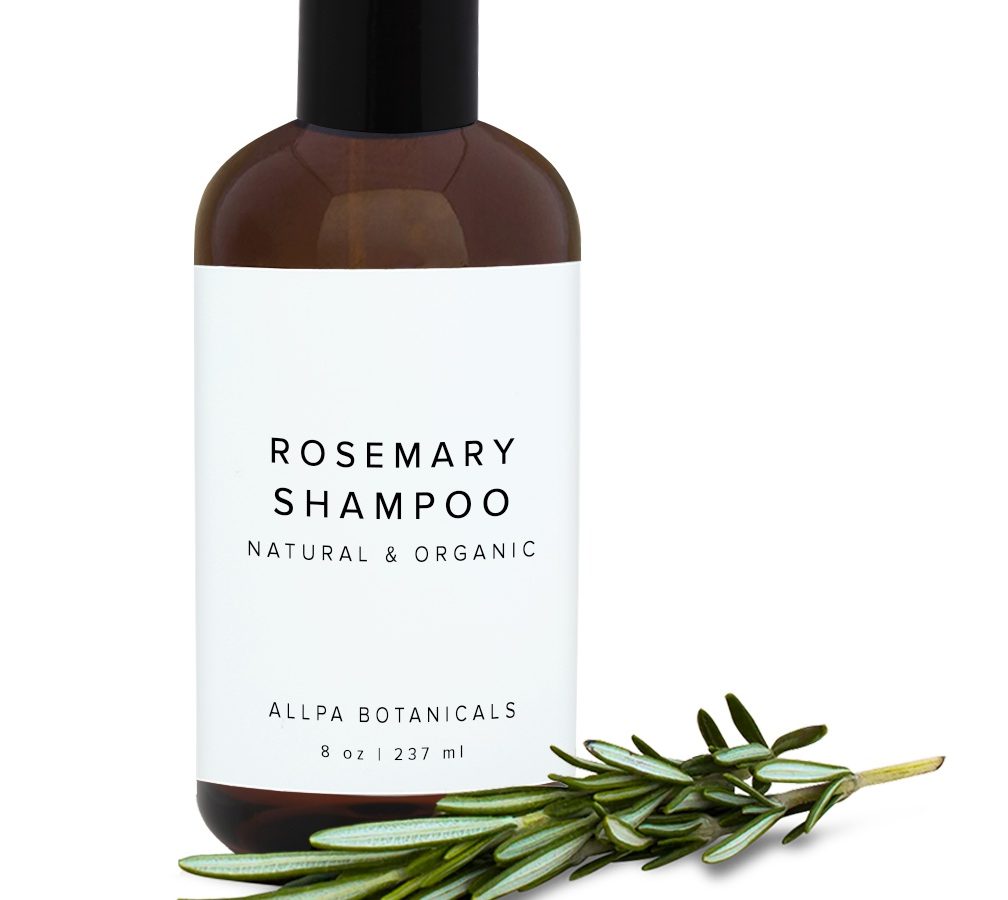
Rosemary shampoo is a hair cleanser infused with rosemary essential oil or extract. It has been used since ancient Greece and Rome for hair and scalp health. In the 2020s, it surged in popularity as a natural alternative to chemical hair products, especially on social media platforms like TikTok.
What Is Confirmed About Rosemary Shampoo and What Remains Unverified
Several claims about rosemary shampoo are supported by scientific research. A 2015 study published in Skinmed found that rosemary oil promoted hair growth after six months of use, showing results comparable to minoxidil, a common pharmaceutical treatment. The herb contains rosmarinic acid, which has anti-inflammatory and antioxidant properties that may benefit the scalp. These compounds can help reduce dandruff and soothe an itchy scalp. Background on rosemary shampoo is documented in The 7 Best Rosemary Shampoos of 2026, Tested and Reviewed – Byrdie
However, some claims remain unverified. The idea that it works for everyone regardless of hair type or cause of hair loss is also disputed. Individual results vary, and the concentration of rosemary extract in commercial shampoos may be too low to produce significant effects.
Another area of uncertainty is the optimal frequency of use. Some sources recommend daily use, while others suggest a few times per week. There is no consensus, and overuse may lead to scalp irritation. Patch testing is advised before regular use.
| Claim | Evidence Level |
|---|---|
| Stimulates hair growth | Supported by one clinical study (2015) |
| Reduces dandruff | Supported by anti-inflammatory properties |
| Darkens hair color | Anecdotal only, no studies |
| Works for all hair loss types | Unverified; likely depends on cause |
How Rosemary Shampoo Gained Cultural Relevance and User Attention
The rise of rosemary shampoo in the 2020s is closely tied to social media trends. On TikTok, videos demonstrating hair growth results using rosemary oil and shampoo garnered millions of views. Users shared before-and-after photos, often claiming noticeable improvements in hair thickness and reduced shedding. This grassroots movement made the product accessible to a wide audience seeking natural alternatives.
Many users appreciate that rosemary shampoo is often free of sulfates, parabens, and synthetic fragrances. It is frequently recommended for oily hair due to its astringent properties, which can help balance sebum production. The pleasant herbal scent also appeals to those who prefer botanical-based personal care.
However, not all feedback is positive. Some users report that the shampoo can be drying, especially for those with already dry or curly hair. Others note that the effects take time — often several months — and require consistent use. The cultural conversation around rosemary shampoo reflects a broader shift toward ingredient transparency and natural wellness.
Current Status and Recent Developments in Rosemary Shampoo
As of 2025, rosemary shampoo is widely available from both niche natural brands and mainstream drugstore lines. Many companies now offer formulations that combine rosemary with other botanicals like peppermint or tea tree oil. The trend shows no signs of slowing, with new products launching regularly.
Recent developments include more concentrated serums and leave-in treatments that claim to boost the effects of shampoo. Some brands have started publishing their own small-scale studies to support marketing claims. Regulatory bodies have not issued specific guidelines for rosemary shampoo, so consumers must rely on brand reputation and third-party reviews.
Looking ahead, researchers are exploring the potential of rosemary extract in combination with other natural compounds for hair loss. The growing interest in personalized hair care may lead to customized rosemary-based products tailored to individual scalp conditions. For now, the market remains diverse, with options ranging from budget-friendly to premium.
Behind the Scenes: How Rosemary Shampoo Is Made and What to Look For
The production of rosemary shampoo typically involves infusing a base shampoo with rosemary essential oil or a concentrated extract. The quality of the rosemary source matters — steam-distilled essential oil from fresh leaves is considered superior. Some manufacturers use rosemary leaf powder, which may be less potent.
Consumers should check the ingredient list for the placement of rosemary extract. If it appears near the end, the concentration may be low. Products labeled “rosemary shampoo” may contain only a small amount, while those marketed for hair growth often have higher concentrations. Dilution is sometimes necessary to avoid skin irritation, especially for those with sensitive skin.
Packaging also plays a role. Dark glass bottles help preserve the essential oil from light degradation. Some brands emphasize sustainable sourcing and organic certification. Understanding these production details can help users choose a product that matches their expectations.
Frequently Asked Questions
When did rosemary shampoo first become popular for hair growth?
Rosemary has been used for hair health since ancient Greece and Rome, but its modern popularity surged in the 2020s, particularly after a 2015 study showed it could be as effective as minoxidil. Social media trends on TikTok further accelerated its adoption.
What is rosemary shampoo best known for?
Rosemary shampoo is best known for its potential to stimulate hair growth and improve scalp circulation. It is also valued for reducing dandruff, soothing itchiness, and acting as a natural alternative to chemical-laden hair products.
Is it true that rosemary shampoo can darken hair color, or is that a rumor?
Where can I find high-quality rosemary shampoo?
High-quality rosemary shampoo is available from natural health stores, online retailers, and some drugstores. Look for products that list rosemary essential oil or extract high on the ingredient list and are packaged in dark glass bottles to preserve potency.
How many times per week should I use rosemary shampoo for best results?
There is no standard recommendation, but many users find 2-3 times per week effective. Overuse may cause dryness or irritation. It is best to start with a patch test and adjust frequency based on your scalp’s response.
How to Choose the Right Rosemary Shampoo for Your Hair Type
Selecting the right rosemary shampoo depends on your hair type and specific needs. For oily hair, look for formulas that include clarifying agents like apple cider vinegar or tea tree oil alongside rosemary. These can help control excess sebum without stripping the scalp. Dry or damaged hair benefits from moisturizing additives such as argan oil, shea butter, or aloe vera. Curly hair types should avoid sulfates, which can cause frizz and dryness. Many brands now offer sulfate-free rosemary shampoos that are gentler on textured hair.
If you have a sensitive scalp, choose a product with minimal ingredients and no artificial fragrances. Some rosemary shampoos are formulated with calming botanicals like chamomile or lavender to reduce irritation. For those dealing with hair thinning, a shampoo with a higher concentration of rosemary essential oil may be more effective. However, higher potency also increases the risk of irritation, so patch testing is essential.
Another factor is the form of rosemary used. Essential oil provides the strongest aroma and potential benefits, but it can be irritating if not properly diluted. Extracts and infusions are milder and suitable for daily use. Some products combine rosemary with other herbs like nettle or sage, which are also traditionally used for hair health. Reading labels carefully helps you match the product to your hair goals.
Potential Side Effects and Precautions When Using Rosemary Shampoo
While rosemary shampoo is generally safe, some users may experience side effects. The most common is scalp irritation, especially for those with sensitive skin or allergies to plants in the Lamiaceae family, which includes rosemary, mint, and lavender. Symptoms can include redness, itching, or a burning sensation. If irritation occurs, discontinue use and consult a dermatologist.
Another concern is dryness. Rosemary has astringent properties that can reduce oil production, which is beneficial for oily scalps but may exacerbate dryness for others. Using a conditioner or a moisturizing hair mask can help counteract this effect. Some commercial rosemary shampoos contain sulfates, which can strip natural oils and lead to brittle hair. Opting for sulfate-free versions may reduce this risk.
Pregnant or nursing women should consult their healthcare provider before using rosemary essential oil products, as high concentrations may not be recommended. Additionally, rosemary oil can interact with certain medications, such as blood thinners or blood pressure drugs. While topical use in shampoo is generally considered low-risk, it is wise to check with a doctor if you have underlying health conditions.
Finally, avoid getting rosemary shampoo in your eyes, as it can cause stinging. If contact occurs, rinse thoroughly with water. Keep products out of reach of children and store them away from direct sunlight to maintain potency. By taking these precautions, most users can enjoy the benefits of rosemary shampoo without adverse effects.
Comparing Rosemary Shampoo to Other Natural Hair Growth Remedies
Rosemary shampoo is just one of many natural remedies for hair growth. Other popular options include peppermint oil, which has been shown to increase blood flow to the scalp in animal studies, and tea tree oil, known for its antimicrobial properties that combat dandruff. Coconut oil is widely used for deep conditioning and reducing protein loss, while aloe vera soothes and moisturizes the scalp. Each remedy has its own strengths and limitations.
Compared to peppermint oil, rosemary has a longer history of use for hair growth and is often considered milder. Peppermint oil can produce a cooling sensation that some find invigorating, but it may be too strong for sensitive scalps. Tea tree oil is excellent for dandruff but less studied for hair growth. Coconut oil is primarily a conditioner and does not directly stimulate growth. Aloe vera is hydrating but lacks the circulation-boosting effects of rosemary.
Combining rosemary with other natural ingredients may enhance results. Many commercial shampoos blend rosemary with biotin, caffeine, or saw palmetto, which are also linked to hair health. However, scientific evidence for these combinations is limited. Users often experiment with DIY mixtures, such as adding a few drops of rosemary essential oil to their regular shampoo. While convenient, this approach requires careful dilution to avoid irritation.
Ultimately, the choice depends on personal preference, hair type, and the specific hair concern. Rosemary shampoo offers a balanced option with some scientific backing, but it is not a miracle cure. For significant hair loss, consulting a dermatologist is recommended to rule out underlying medical conditions.
How to Choose the Right Rosemary Shampoo for Your Hair Type
Selecting the right rosemary shampoo depends on your hair type and specific needs. For oily hair, look for formulas that include clarifying agents like apple cider vinegar or tea tree oil alongside rosemary. These can help control excess sebum without stripping the scalp. Dry or damaged hair benefits from moisturizing additives such as argan oil, shea butter, or aloe vera. Curly hair types should avoid sulfates, which can cause frizz and dryness. Many brands now offer sulfate-free rosemary shampoos that are gentler on textured hair.
If you have a sensitive scalp, choose a product with minimal ingredients and no artificial fragrances. Some rosemary shampoos are formulated with calming botanicals like chamomile or lavender to reduce irritation. For those dealing with hair thinning, a shampoo with a higher concentration of rosemary essential oil may be more effective. However, higher potency also increases the risk of irritation, so patch testing is essential.
Another factor is the form of rosemary used. Essential oil provides the strongest aroma and potential benefits, but it can be irritating if not properly diluted. Extracts and infusions are milder and suitable for daily use. Some products combine rosemary with other herbs like nettle or sage, which are also traditionally used for hair health. Reading labels carefully helps you match the product to your hair goals.
Potential Side Effects and Precautions When Using Rosemary Shampoo
While rosemary shampoo is generally safe, some users may experience side effects. The most common is scalp irritation, especially for those with sensitive skin or allergies to plants in the Lamiaceae family, which includes rosemary, mint, and lavender. Symptoms can include redness, itching, or a burning sensation. If irritation occurs, discontinue use and consult a dermatologist.
Another concern is dryness. Rosemary has astringent properties that can reduce oil production, which is beneficial for oily scalps but may exacerbate dryness for others. Using a conditioner or a moisturizing hair mask can help counteract this effect. Some commercial rosemary shampoos contain sulfates, which can strip natural oils and lead to brittle hair. Opting for sulfate-free versions may reduce this risk.
Pregnant or nursing women should consult their healthcare provider before using rosemary essential oil products, as high concentrations may not be recommended. Additionally, rosemary oil can interact with certain medications, such as blood thinners or blood pressure drugs. While topical use in shampoo is generally considered low-risk, it is wise to check with a doctor if you have underlying health conditions.
Finally, avoid getting rosemary shampoo in your eyes, as it can cause stinging. If contact occurs, rinse thoroughly with water. Keep products out of reach of children and store them away from direct sunlight to maintain potency. By taking these precautions, most users can enjoy the benefits of rosemary shampoo without adverse effects.
Comparing Rosemary Shampoo to Other Natural Hair Growth Remedies
Rosemary shampoo is just one of many natural remedies for hair growth. Other popular options include peppermint oil, which has been shown to increase blood flow to the scalp in animal studies, and tea tree oil, known for its antimicrobial properties that combat dandruff. Coconut oil is widely used for deep conditioning and reducing protein loss, while aloe vera soothes and moisturizes the scalp. Each remedy has its own strengths and limitations.
Compared to peppermint oil, rosemary has a longer history of use for hair growth and is often considered milder. Peppermint oil can produce a cooling sensation that some find invigorating, but it may be too strong for sensitive scalps. Tea tree oil is excellent for dandruff but less studied for hair growth. Coconut oil is primarily a conditioner and does not directly stimulate growth. Aloe vera is hydrating but lacks the circulation-boosting effects of rosemary.
Combining rosemary with other natural ingredients may enhance results. Many commercial shampoos blend rosemary with biotin, caffeine, or saw palmetto, which are also linked to hair health. However, scientific evidence for these combinations is limited. Users often experiment with DIY mixtures, such as adding a few drops of rosemary essential oil to their regular shampoo. While convenient, this approach requires careful dilution to avoid irritation.
Ultimately, the choice depends on personal preference, hair type, and the specific hair concern. Rosemary shampoo offers a balanced option with some scientific backing, but it is not a miracle cure. For significant hair loss, consulting a dermatologist is recommended to rule out underlying medical conditions.