
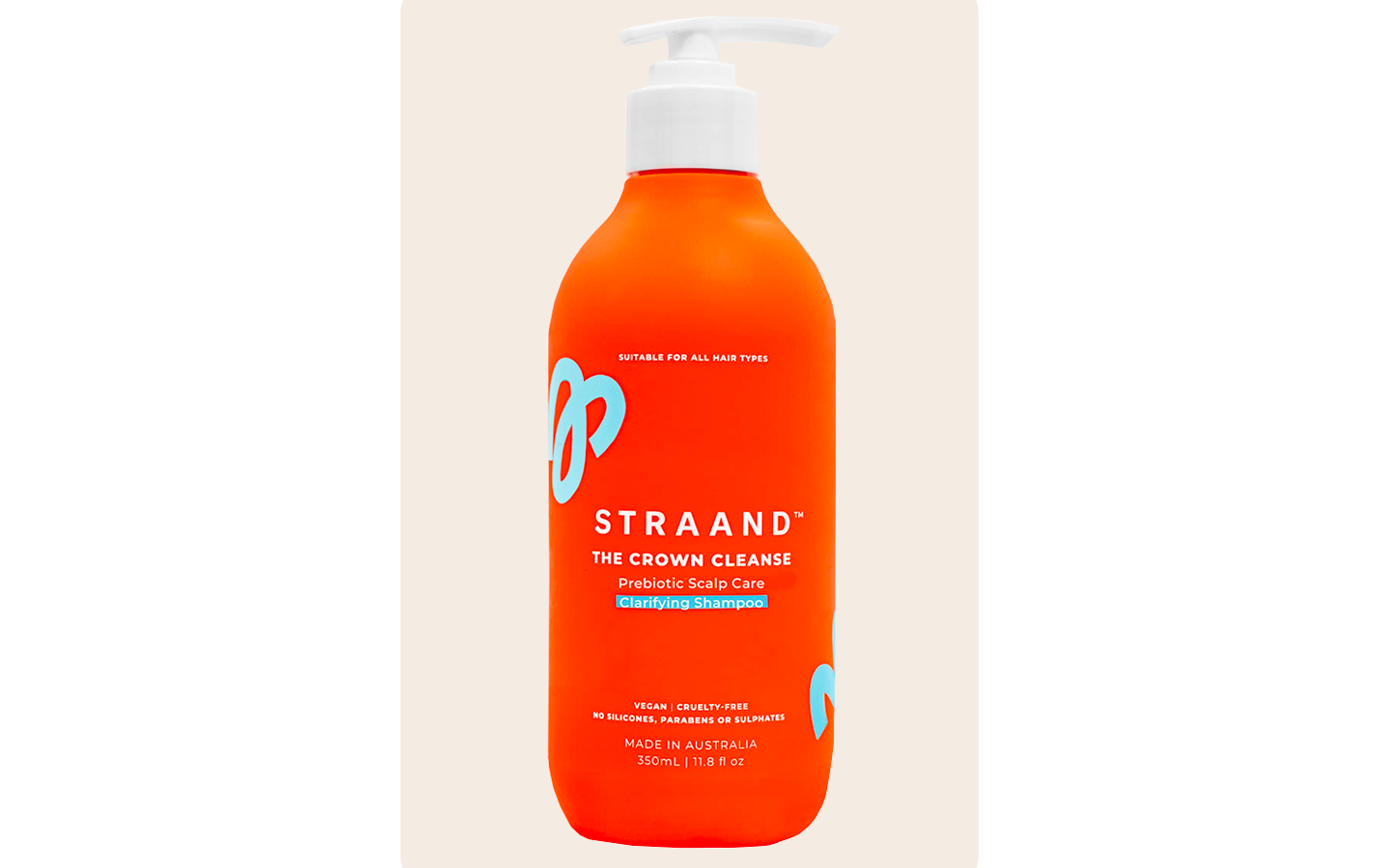
Scalp shampoo is a specialized cleanser formulated to address dandruff, excess oil, or scalp irritation, distinct from regular hair shampoo. The global anti-dandruff shampoo market was valued at over $8 billion in 2023, reflecting widespread demand. This article explores the evolution of scalp shampoo, debunks common myths, explains how these products are developed, and compares them with regular shampoos.
From Head & Shoulders to Nizoral: Key Milestones in Scalp Shampoo History
The journey of scalp shampoo began in earnest in 1961 when Procter & Gamble launched Head & Shoulders, the first mass-market anti-dandruff shampoo. It popularized zinc pyrithione, an antifungal and antibacterial agent that remains a common active ingredient today. In 1995, the FDA approved Nizoral (ketoconazole 1%) shampoo for treating dandruff and seborrheic dermatitis, offering a potent alternative. The 2010s saw a surge in scalp care awareness, with brands introducing sulfate-free and microbiome-friendly formulations. Apple cider vinegar and tea tree oil emerged as natural alternatives, while prescription-strength shampoos with corticosteroids or coal tar became available for severe conditions like scalp psoriasis. Clinical studies have shown that ketoconazole 1% shampoo can reduce dandruff by up to 80% in four weeks, cementing its role as a benchmark treatment. Background on scalp shampoo is documented in 10 Best Shampoos for Dry Scalps of 2025 – Good Housekeeping
Common Misconceptions About Scalp Shampoo: What Science Says
Another myth is that dandruff is caused by poor hygiene; in reality, it often results from an overgrowth of Malassezia yeast, which feeds on natural oils. Some think that using scalp shampoo daily is best, but overuse can strip the scalp of protective oils, leading to dryness or rebound oiliness. Experts recommend using medicated shampoos two to three times per week. A widespread misconception is that all scalp shampoos are harsh; however, modern formulations include gentle surfactants and moisturizers to maintain the skin barrier. Finally, many assume natural alternatives like apple cider vinegar are always safer, but they can cause irritation if not diluted properly. Clinical evidence supports the efficacy of ingredients like salicylic acid, ketoconazole, and zinc pyrithione when used as directed.
Behind the Scenes: How Scalp Shampoos Are Developed and Tested
Developing a scalp shampoo involves rigorous research and testing. Formulators start by selecting active ingredients based on the target condition—antifungals for dandruff, keratolytics for psoriasis, or anti-inflammatories for eczema. They then design a base that balances cleansing with mildness, often using sulfate-free surfactants to avoid irritation. Stability tests ensure the active ingredients remain effective over the product’s shelf life. Clinical trials, often double-blind and placebo-controlled, measure efficacy through dandruff severity scores and patient-reported outcomes. For example, Nizoral’s approval required demonstrating significant reduction in scaling and itching. Safety assessments include patch tests for allergic reactions and phototoxicity studies. Consumer testing also plays a role, evaluating texture, fragrance, and rinsability.
Scalp Shampoo vs. Regular Shampoo: Key Differences and When to Choose Each
Regular shampoo is designed primarily to remove dirt and oil from hair, using detergents like sodium lauryl sulfate. Scalp shampoo, by contrast, contains active ingredients that treat underlying scalp conditions. For instance, a dandruff shampoo may include zinc pyrithione or ketoconazole to control yeast, while a regular shampoo lacks these. Scalp shampoos often have a lower pH to maintain the acid mantle, whereas regular shampoos can be more alkaline. People with healthy scalps may not need a specialized product, but those experiencing flaking, itching, or redness can benefit. However, using a scalp shampoo too frequently can cause dryness, so alternating with a gentle regular shampoo is common. Prescription-strength options, such as those with coal tar or corticosteroids, are reserved for chronic conditions like psoriasis. The table below summarizes the main differences.
| Feature | Scalp Shampoo | Regular Shampoo |
|---|---|---|
| Primary purpose | Treat dandruff, oil, or irritation | Clean hair and remove buildup |
| Active ingredients | Ketoconazole, zinc pyrithione, salicylic acid, coal tar | Surfactants, fragrances, conditioning agents |
| pH level | Typically 4.5–5.5 (acidic) | Often 5.5–7.0 (neutral to slightly acidic) |
| Recommended frequency | 2–3 times per week | Daily or as needed |
| Availability | Over-the-counter or prescription | Over-the-counter |
Frequently Asked Questions
Where was the first medicated scalp shampoo developed?
The first mass-market anti-dandruff shampoo, Head & Shoulders, was developed by Procter & Gamble in the United States and launched in 1961. It introduced zinc pyrithione as a key active ingredient.
Is scalp shampoo safe for daily use?
Most dermatologists recommend using medicated scalp shampoo two to three times per week, not daily. Overuse can strip natural oils, leading to dryness or irritation. Always follow the product instructions.
Why does dandruff often return after stopping scalp shampoo?
Dandruff is caused by an overgrowth of Malassezia yeast, which is naturally present on the scalp. Scalp shampoo suppresses the yeast, but it can regrow once treatment stops. Maintenance use may be necessary.
How many active ingredients are typically found in a scalp shampoo?
Most over-the-counter scalp shampoos contain one or two active ingredients, such as ketoconazole, zinc pyrithione, or salicylic acid. Prescription formulas may combine multiple agents for severe conditions.
When did the term ‘scalp shampoo’ become popular?
The term gained prominence in the 2010s as scalp care routines became a trend, driven by social media and increased awareness of scalp health as distinct from hair care.
How to Choose the Right Scalp Shampoo for Your Condition
Selecting the appropriate scalp shampoo depends on the specific scalp issue you are experiencing. For dandruff characterized by white or yellow flakes and itching, shampoos containing zinc pyrithione, ketoconazole, or selenium sulfide are effective. These ingredients target the Malassezia yeast responsible for dandruff. For an oily scalp with greasy hair, shampoos with salicylic acid or coal tar help exfoliate and reduce oil production. Those with dry, flaky scalp may benefit from moisturizing formulas with pyrithione zinc or gentle cleansers. For scalp psoriasis, prescription-strength shampoos with corticosteroids or coal tar are often necessary. It is important to read labels carefully and consult a dermatologist if symptoms persist. Patch testing a small area before full use can prevent adverse reactions.
Natural and DIY Alternatives: Do They Work?
Many people turn to natural remedies like apple cider vinegar, tea tree oil, or aloe vera for scalp issues. Apple cider vinegar diluted with water can help balance scalp pH and reduce yeast overgrowth, but undiluted use may cause burns. Tea tree oil has antifungal properties, but it must be diluted in a carrier oil to avoid irritation. Aloe vera gel soothes inflammation and moisturizes the scalp. However, clinical evidence for these alternatives is limited compared to medicated shampoos. A 2015 study found that tea tree oil shampoo reduced dandruff severity by 41% after four weeks, but it was less effective than ketoconazole. Natural options may work for mild cases, but severe conditions require proven treatments. Always perform a patch test and discontinue use if irritation occurs.
Tips for Maximizing the Effectiveness of Scalp Shampoo
To get the best results from your scalp shampoo, follow these evidence-based practices. First, wet your hair thoroughly before applying the shampoo. Massage it into the scalp gently with your fingertips, not nails, to avoid scratching. Leave the shampoo on for the recommended time—usually 3 to 5 minutes—to allow active ingredients to work. Rinse thoroughly and follow with a conditioner only on the ends to avoid coating the scalp. Avoid using hot water, which can strip oils; lukewarm water is better. Consistency is key: use the shampoo as directed, typically two to three times per week, and do not skip doses. If you have long or thick hair, you may need to shampoo twice during each wash. Avoid styling products that can build up on the scalp. If your condition does not improve after several weeks, consult a dermatologist for a stronger prescription.
Potential Side Effects and Precautions
While scalp shampoos are generally safe, they can cause side effects in some users. Common side effects include dryness, itching, or a burning sensation. These often subside as the scalp adjusts. Rarely, allergic reactions such as rash or swelling may occur. Ingredients like coal tar can increase sensitivity to sunlight, so sun protection is advised. Ketoconazole shampoo may cause hair discoloration in some individuals, especially those with chemically treated hair. Pregnant or breastfeeding women should consult a doctor before using medicated shampoos. Avoid contact with eyes; if it occurs, rinse thoroughly with water. Do not use scalp shampoo on broken or infected skin unless directed by a healthcare professional. If side effects persist or worsen, discontinue use and seek medical advice.
How Scalp Shampoo Interacts with Different Hair Types and Textures
Scalp shampoo effectiveness can vary based on hair type and texture. For straight, fine hair, medicated shampoos may cause dryness or tangling, so a lightweight conditioner is recommended. Curly and coily hair tends to be drier, and scalp shampoos can exacerbate this. People with textured hair should focus on applying shampoo only to the scalp, not the lengths, and follow with a deep conditioner. For chemically treated or color-treated hair, some active ingredients like ketoconazole may cause fading or discoloration. Sulfate-free scalp shampoos are gentler and help preserve color. Oily hair types often tolerate medicated shampoos well, but those with dry or brittle hair may need to alternate with a moisturizing shampoo. Understanding your hair’s porosity and density can also guide product choice—low porosity hair may require a clarifying shampoo first to allow penetration of active ingredients.
Emerging Trends in Scalp Shampoo Formulations
The scalp shampoo market continues to evolve with new scientific insights. One major trend is the focus on the scalp microbiome—the community of microorganisms living on the skin. Brands are developing prebiotic and probiotic shampoos that support beneficial bacteria while suppressing harmful ones. Another innovation is the use of encapsulated active ingredients that release slowly over time, providing prolonged treatment. Waterless formulations, such as shampoo bars and powders, are gaining popularity for their sustainability and concentrated ingredients. Personalized scalp shampoos, tailored to an individual’s microbiome analysis, are also emerging, though they remain niche. Additionally, ingredients like niacinamide, caffeine, and peptides are being added to stimulate hair growth and improve scalp health. These trends reflect a shift from treating symptoms to maintaining overall scalp wellness.
Regulatory and Safety Standards for Scalp Shampoos
Scalp shampoos are regulated as over-the-counter drugs in many countries, including the United States by the FDA. Active ingredients like ketoconazole and coal tar must meet specific monograph requirements for safety and efficacy. Manufacturers must conduct stability testing, microbial limits testing, and ensure proper labeling. In the European Union, scalp shampoos fall under the Cosmetics Regulation, but those with therapeutic claims may be classified as medicinal products. Prescription-strength shampoos require clinical trial data and regulatory approval. Consumers should look for products that have been dermatologist-tested or carry seals from organizations like the National Psoriasis Foundation. Counterfeit or unregulated products, especially those sold online, may contain harmful ingredients or incorrect concentrations. Always purchase from reputable sources and check for expiration dates.
How to Choose the Right Scalp Shampoo for Your Condition
Selecting the appropriate scalp shampoo depends on the specific scalp issue you are experiencing. For dandruff characterized by white or yellow flakes and itching, shampoos containing zinc pyrithione, ketoconazole, or selenium sulfide are effective. These ingredients target the Malassezia yeast responsible for dandruff. For an oily scalp with greasy hair, shampoos with salicylic acid or coal tar help exfoliate and reduce oil production. Those with dry, flaky scalp may benefit from moisturizing formulas with pyrithione zinc or gentle cleansers. For scalp psoriasis, prescription-strength shampoos with corticosteroids or coal tar are often necessary. It is important to read labels carefully and consult a dermatologist if symptoms persist. Patch testing a small area before full use can prevent adverse reactions.
Natural and DIY Alternatives: Do They Work?
Many people turn to natural remedies like apple cider vinegar, tea tree oil, or aloe vera for scalp issues. Apple cider vinegar diluted with water can help balance scalp pH and reduce yeast overgrowth, but undiluted use may cause burns. Tea tree oil has antifungal properties, but it must be diluted in a carrier oil to avoid irritation. Aloe vera gel soothes inflammation and moisturizes the scalp. However, clinical evidence for these alternatives is limited compared to medicated shampoos. A 2015 study found that tea tree oil shampoo reduced dandruff severity by 41% after four weeks, but it was less effective than ketoconazole. Natural options may work for mild cases, but severe conditions require proven treatments. Always perform a patch test and discontinue use if irritation occurs.
Tips for Maximizing the Effectiveness of Scalp Shampoo
To get the best results from your scalp shampoo, follow these evidence-based practices. First, wet your hair thoroughly before applying the shampoo. Massage it into the scalp gently with your fingertips, not nails, to avoid scratching. Leave the shampoo on for the recommended time—usually 3 to 5 minutes—to allow active ingredients to work. Rinse thoroughly and follow with a conditioner only on the ends to avoid coating the scalp. Avoid using hot water, which can strip oils; lukewarm water is better. Consistency is key: use the shampoo as directed, typically two to three times per week, and do not skip doses. If you have long or thick hair, you may need to shampoo twice during each wash. Avoid styling products that can build up on the scalp. If your condition does not improve after several weeks, consult a dermatologist for a stronger prescription.
Potential Side Effects and Precautions
While scalp shampoos are generally safe, they can cause side effects in some users. Common side effects include dryness, itching, or a burning sensation. These often subside as the scalp adjusts. Rarely, allergic reactions such as rash or swelling may occur. Ingredients like coal tar can increase sensitivity to sunlight, so sun protection is advised. Ketoconazole shampoo may cause hair discoloration in some individuals, especially those with chemically treated hair. Pregnant or breastfeeding women should consult a doctor before using medicated shampoos. Avoid contact with eyes; if it occurs, rinse thoroughly with water. Do not use scalp shampoo on broken or infected skin unless directed by a healthcare professional. If side effects persist or worsen, discontinue use and seek medical advice.
How Scalp Shampoo Interacts with Different Hair Types and Textures
Scalp shampoo effectiveness can vary based on hair type and texture. For straight, fine hair, medicated shampoos may cause dryness or tangling, so a lightweight conditioner is recommended. Curly and coily hair tends to be drier, and scalp shampoos can exacerbate this. People with textured hair should focus on applying shampoo only to the scalp, not the lengths, and follow with a deep conditioner. For chemically treated or color-treated hair, some active ingredients like ketoconazole may cause fading or discoloration. Sulfate-free scalp shampoos are gentler and help preserve color. Oily hair types often tolerate medicated shampoos well, but those with dry or brittle hair may need to alternate with a moisturizing shampoo. Understanding your hair’s porosity and density can also guide product choice—low porosity hair may require a clarifying shampoo first to allow penetration of active ingredients.
Emerging Trends in Scalp Shampoo Formulations
The scalp shampoo market continues to evolve with new scientific insights. One major trend is the focus on the scalp microbiome—the community of microorganisms living on the skin. Brands are developing prebiotic and probiotic shampoos that support beneficial bacteria while suppressing harmful ones. Another innovation is the use of encapsulated active ingredients that release slowly over time, providing prolonged treatment. Waterless formulations, such as shampoo bars and powders, are gaining popularity for their sustainability and concentrated ingredients. Personalized scalp shampoos, tailored to an individual’s microbiome analysis, are also emerging, though they remain niche. Additionally, ingredients like niacinamide, caffeine, and peptides are being added to stimulate hair growth and improve scalp health. These trends reflect a shift from treating symptoms to maintaining overall scalp wellness.
Regulatory and Safety Standards for Scalp Shampoos
Scalp shampoos are regulated as over-the-counter drugs in many countries, including the United States by the FDA. Active ingredients like ketoconazole and coal tar must meet specific monograph requirements for safety and efficacy. Manufacturers must conduct stability testing, microbial limits testing, and ensure proper labeling. In the European Union, scalp shampoos fall under the Cosmetics Regulation, but those with therapeutic claims may be classified as medicinal products. Prescription-strength shampoos require clinical trial data and regulatory approval. Consumers should look for products that have been dermatologist-tested or carry seals from organizations like the National Psoriasis Foundation. Counterfeit or unregulated products, especially those sold online, may contain harmful ingredients or incorrect concentrations. Always purchase from reputable sources and check for expiration dates.