
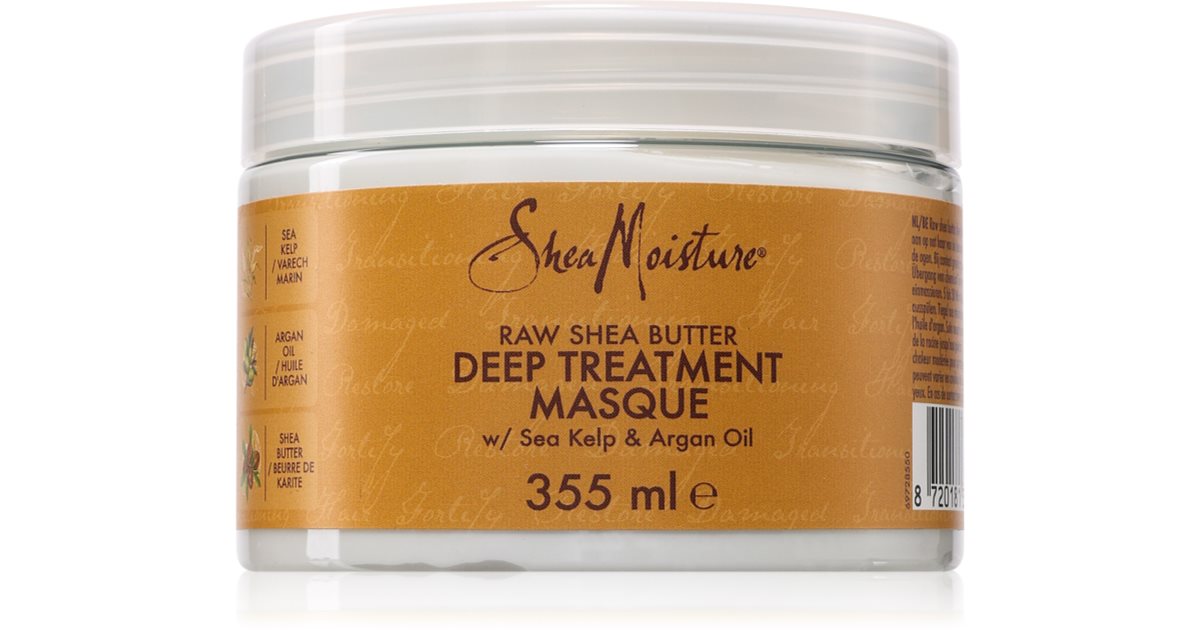
Shea butter is a natural fat extracted from the nuts of the African shea tree (Vitellaria paradoxa). It has been used for centuries in West Africa to moisturize hair and skin. Rich in vitamins A, E, and F, shea butter helps nourish and repair hair, reducing dryness and breakage.
How Shea Butter Compares to Coconut Oil and Argan Oil for Hair
Shea butter, coconut oil, and argan oil are all popular natural hair care ingredients, but they differ in composition and benefits. Shea butter is a semi-solid fat with a high concentration of fatty acids, making it an excellent sealant for moisture. Coconut oil, on the other hand, is a liquid oil that penetrates the hair shaft more easily, reducing protein loss. Argan oil, rich in vitamin E, is lighter and often used for shine and frizz control. A reference profile of the subject is maintained on Shea butter
For those with very dry or coarse hair, shea butter provides a thicker barrier against moisture loss. Coconut oil is better suited for pre-wash treatments or for those with fine hair that needs lightweight moisture. Argan oil works well as a finishing oil for all hair types. Many people combine shea butter with lighter oils to create a balanced hair moisturizer.
Shea butter’s high fatty acid content includes stearic and oleic acids, which help condition and soften hair. Unlike coconut oil, shea butter does not easily penetrate the hair shaft but coats it, sealing in moisture. This makes it ideal for protective styles and for sealing in leave-in conditioners. A reference profile of the subject is maintained on The Benefits of Shea Butter for Hair and How to Make Your Own
When choosing between these options, consider your hair porosity. Low-porosity hair may benefit more from lighter oils like argan or jojoba, while high-porosity hair often responds well to shea butter’s heavier seal. Some people use shea butter as a base in DIY hair masks, mixing it with aloe vera or essential oils for added benefits.
Shea butter also has a higher melting point than coconut oil, so it remains solid at room temperature. This can be an advantage for those who prefer a thicker product for styling. However, overuse of shea butter on fine hair can lead to buildup, so it is best used sparingly or diluted.
Regional and Demographic Relevance of Shea Butter in Hair Care
Shea butter has deep roots in West African cultures, particularly in Ghana, Nigeria, and Burkina Faso, where women have traditionally processed the nuts into butter for hair and skin care. In these regions, shea butter is not just a cosmetic product but a cultural staple passed down through generations.
In recent decades, shea butter has gained global popularity, especially among people with natural and curly hair types. The natural hair movement, which gained momentum in the 2000s, embraced shea butter as a key ingredient for defining curls and reducing frizz. Many Black women in the diaspora use shea butter as part of their daily hair routine to maintain moisture and protect their hair from environmental damage.
Shea butter is also popular in regions with dry climates, where hair tends to lose moisture quickly. In the United States, shea butter is a common ingredient in products marketed toward textured hair. The global shea butter market was valued at over $2 billion in 2023, reflecting its widespread appeal.
However, shea butter’s reception varies by hair type. People with fine or low-porosity hair may find it too heavy, leading to buildup. In contrast, those with thick, coily, or high-porosity hair often praise its ability to lock in moisture for days. Some users in humid climates report that shea butter helps control frizz, while others find it can make hair feel greasy if applied too liberally.
Demographically, shea butter is most commonly used by women, but men with natural hair also incorporate it into their routines. It is also used in baby hair care products due to its gentle, natural properties. The rise of DIY beauty trends has further popularized shea butter, with many people buying raw, unrefined shea butter to create their own hair masks and butters.
Timeline of Key Moments in Shea Butter’s Hair Care History
Shea butter’s use in hair care dates back centuries in West Africa, but its global journey began in the 20th century. Here is a timeline of key milestones:
| Year | Event |
|---|---|
| Pre-1900s | Traditional use of shea butter in West Africa for hair and skin. |
| 1990s | Shea butter gains popularity in the global natural hair care market. |
| 2000s | Natural hair movement boosts demand for shea butter among Black women. |
| 2010s | DIY beauty trends lead to increased use of raw, unrefined shea butter. |
| 2023 | Global shea butter market exceeds $2 billion in value. |
In the 1990s, shea butter began appearing in commercial hair products in Europe and North America. By the 2000s, the natural hair movement, which encouraged embracing natural textures, made shea butter a staple for many. The 2010s saw a surge in DIY hair care, with people buying raw shea butter online to create custom blends.
Today, shea butter is widely available in both raw form and as an ingredient in shampoos, conditioners, and styling products. Its popularity continues to grow as consumers seek natural, sustainable alternatives to synthetic hair care ingredients.
What Is Confirmed and What Remains Unverified About Shea Butter for Hair
Its high fatty acid content provides deep moisture, reducing dryness and breakage. Shea butter also has anti-inflammatory properties that can soothe a dry, itchy scalp.
Refined shea butter may lose some beneficial compounds during processing. Additionally, shea butter is effective at sealing moisture into the hair shaft, making it a popular choice for natural and curly hair types.
However, some claims remain unverified. For example, while shea butter is often said to promote hair growth, there is limited scientific evidence directly linking shea butter to faster hair growth. Its moisturizing properties may reduce breakage, which can help hair retain length, but it does not necessarily stimulate new growth.
Another unverified claim is that shea butter can protect hair from heat damage. While it may provide a barrier, its effectiveness against high heat styling tools has not been extensively studied. Similarly, the idea that shea butter can reverse hair damage is not supported by evidence; it can improve the appearance of damaged hair but cannot repair split ends.
Some sources suggest that shea butter can help with scalp conditions like dandruff due to its anti-inflammatory properties. While anecdotal reports are positive, clinical studies are lacking. It is also unclear whether shea butter is suitable for all hair types; some users with fine hair report buildup, while others find it works well when used sparingly.
Overall, shea butter is a beneficial natural ingredient for many, but consumers should be cautious of exaggerated claims. It is best used as part of a balanced hair care routine.
Frequently Asked Questions
Is shea butter still widely used in commercial hair products today?
Yes, shea butter remains a popular ingredient in many shampoos, conditioners, and styling products. Its natural moisturizing properties make it a staple in products designed for dry or textured hair. Many brands also offer pure shea butter for direct application.
How many types of shea butter are there for hair care?
There are two main types: raw (unrefined) and refined. Raw shea butter retains its natural nutrients and has a nutty scent. Refined shea butter is processed to remove impurities and odor but may lose some beneficial compounds. For hair care, raw shea butter is generally preferred.
Why did shea butter become so popular in the natural hair community?
Shea butter gained popularity because it effectively seals moisture into natural hair, reducing frizz and breakage. Its natural origin and versatility in DIY recipes also appealed to those seeking chemical-free hair care options. The natural hair movement of the 2000s further boosted its use.
Where was shea butter first used for hair care?
Shea butter has been used for centuries in West Africa, particularly in countries like Ghana, Nigeria, and Burkina Faso. Women traditionally processed shea nuts into butter for moisturizing hair and skin, a practice that continues today.
What is shea butter best known for in hair care?
Shea butter is best known for its deep moisturizing and sealing properties. It helps lock in moisture, define curls, and reduce frizz, making it especially beneficial for natural, curly, and coily hair types. Its vitamins also nourish the scalp and hair strands.
How to Choose the Right Shea Butter for Your Hair Type
Selecting the right shea butter depends on your hair’s porosity, texture, and needs. For high-porosity hair, which absorbs moisture quickly but loses it just as fast, raw unrefined shea butter works well as a sealant. Apply it after a water-based leave-in conditioner to lock in hydration. For low-porosity hair, which resists moisture absorption, shea butter may be too heavy. In such cases, use a small amount whipped with lighter oils like jojoba or grapeseed oil to prevent buildup.
For fine or straight hair, shea butter should be used sparingly. A pea-sized amount melted between palms and applied to the ends can add shine without weighing hair down. Those with thick, coily, or kinky hair can use shea butter more liberally, focusing on the mid-lengths and ends. It can also be used as a pre-poo treatment to protect hair before shampooing.
Shea butter is graded into different qualities. Grade A shea butter is raw, unrefined, and extracted using traditional methods, retaining the highest nutrient content. Grade B and C are refined or bleached, often losing beneficial properties. For hair care, Grade A is recommended. Look for shea butter with a creamy, off-white color and a nutty, earthy scent. If it is pure white and odorless, it has likely been heavily processed.
Some people prefer whipped shea butter, which is aerated to a lighter, fluffier consistency. Whipped shea butter is easier to apply and spreads more evenly, making it suitable for daily use. However, it may contain added oils or butters, so check the ingredient list if you want pure shea butter. You can also whip raw shea butter at home by beating it with a hand mixer until light and creamy.
Shea butter can be combined with other natural ingredients for enhanced benefits. Mixing shea butter with aloe vera gel creates a moisturizing hair mask. Adding a few drops of essential oils like lavender or rosemary can promote scalp health. For a deep conditioning treatment, combine shea butter with honey and coconut oil. These DIY blends allow you to tailor the product to your hair’s specific needs.
Potential Drawbacks and How to Use Shea Butter Safely
While shea butter is generally safe for most people, there are some potential drawbacks. Overuse can lead to product buildup, especially on fine or low-porosity hair. Buildup can make hair feel greasy, limp, or weighed down. To avoid this, use shea butter sparingly and clarify your hair regularly with a gentle shampoo. Some people may also experience allergic reactions, though this is rare. Perform a patch test before applying shea butter to your scalp or hair.
Shea butter is comedogenic, meaning it can clog pores. For those with acne-prone skin, avoid applying shea butter directly to the scalp if you are prone to scalp acne. Instead, focus on the hair strands. If you have a nut allergy, consult a doctor before using shea butter, as it is derived from tree nuts. However, shea butter is generally considered safe for most nut allergy sufferers because the protein that triggers allergies is removed during processing.
Storage is also important. Shea butter has a shelf life of about one to two years if stored in a cool, dark place. Exposure to heat and light can cause it to go rancid. If your shea butter develops a sour or unpleasant smell, discard it. To extend its life, store it in an airtight container away from direct sunlight. Some people refrigerate shea butter during hot months to keep it solid.
When applying shea butter, less is often more. Start with a small amount and warm it between your palms before applying to damp or dry hair. Focus on the ends, which are the oldest and most prone to dryness. Avoid applying directly to the scalp unless you have a dry scalp condition. For a lightweight option, mix shea butter with a water-based leave-in conditioner or aloe vera juice before application.
Shea butter can also be used as a heat protectant, but its effectiveness is limited. It may provide some barrier against low to medium heat, but for high heat styling, a dedicated heat protectant spray is recommended. If you use shea butter before heat styling, apply a very thin layer to avoid buildup. Some users find that shea butter helps define curls when used with the LOC (liquid, oil, cream) method, where it serves as the cream step.
In summary, shea butter is a versatile and effective natural ingredient for hair care, but it requires mindful use. Understanding your hair type and porosity, choosing the right grade, and applying it correctly can maximize its benefits while minimizing potential drawbacks. Whether used alone or in DIY blends, shea butter remains a trusted choice for moisturizing and protecting hair.
How Shea Butter Supports Scalp Health and Reduces Dryness
Shea butter’s anti-inflammatory and moisturizing properties make it beneficial for scalp health. It can help soothe dryness, itching, and flaking associated with conditions like dandruff or eczema. The fatty acids in shea butter nourish the scalp, reducing irritation and promoting a healthier environment for hair growth. To use, warm a small amount between your fingers and massage gently into the scalp. Leave it on for 15-30 minutes before shampooing. Some people also use shea butter as a scalp treatment overnight, covering their hair with a shower cap. However, those with oily scalps should use it sparingly to avoid clogging pores.
Environmental and Ethical Considerations in Shea Butter Production
The shea butter industry has significant economic and environmental impacts, particularly in West Africa. Shea nuts are harvested by women in rural communities, providing a vital source of income. However, concerns about fair trade and sustainable harvesting practices have emerged. Some companies now source shea butter through fair trade partnerships, ensuring that women receive fair wages and work in safe conditions. Additionally, overharvesting of shea nuts can threaten the shea tree population, which is important for local ecosystems. Consumers can support ethical production by choosing certified fair trade or organic shea butter. This helps preserve traditional knowledge and supports the livelihoods of women in shea-producing regions.