
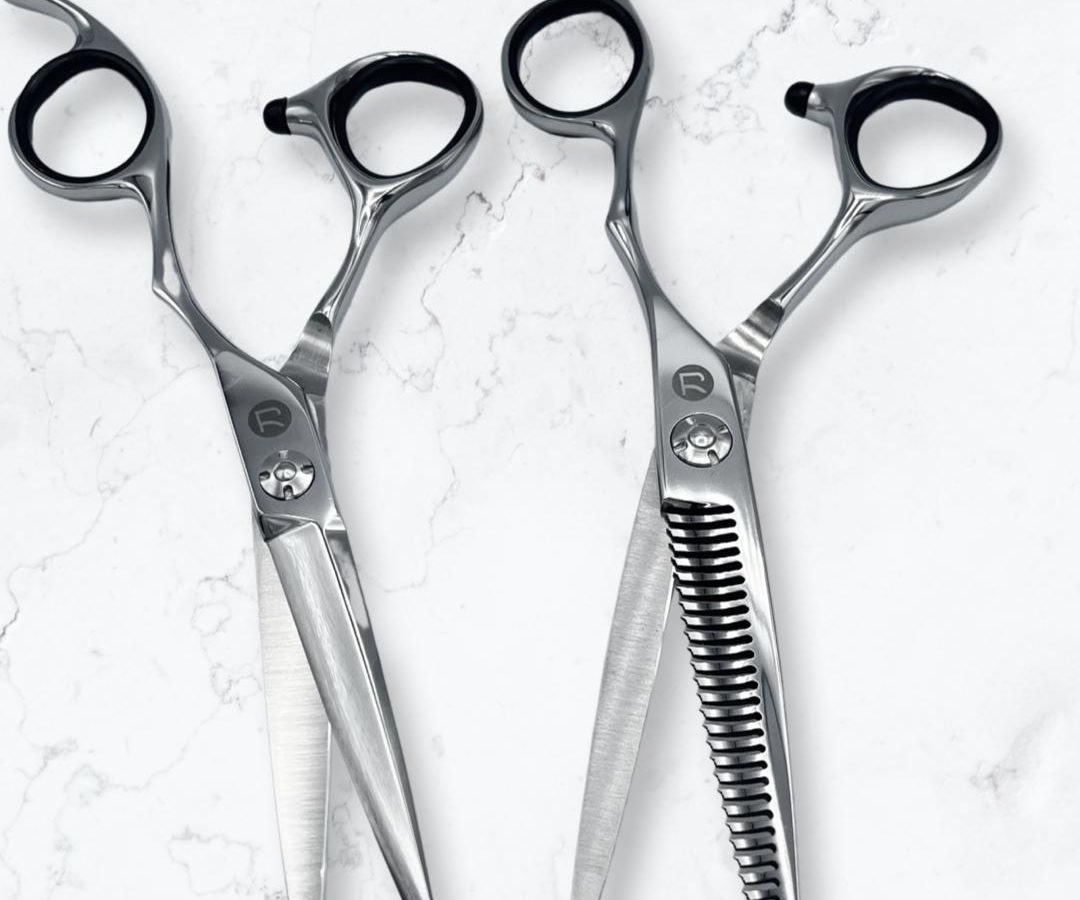
Around 1500 BCE, ancient Egyptians crafted pivoted scissors from bronze, laying the foundation for modern hair cutting. Today, thinning shears and scissors serve distinct roles in salons and homes, with thinning shears removing bulk while scissors create precise lines.
How Thinning Shears and Scissors Gained Popularity Across Regions and Demographics
Thinning shears and scissors have seen varied adoption worldwide. In Japan, where precision cutting is revered, professional hair scissors made of high-carbon stainless steel dominate salons. Japanese stylists often prefer scissors with a convex edge for clean cuts, while thinning shears are used sparingly for texture. In contrast, European barbershops have historically embraced thinning shears for men’s haircuts, especially for blending and reducing bulk in thick hair. The United States witnessed a surge in home use of thinning shears during the DIY haircut trend of 2023, as consumers sought to replicate salon texturizing at home. According to some sources, online searches for thinning shears increased significantly during that period. Demographic data suggests that younger consumers, particularly those aged 18-34, are more likely to purchase thinning shears for home use, while older demographics still prefer professional salon visits. The offset handle design, which reduces wrist strain, has become a selling point for ergonomic-conscious stylists in North America and Europe. Public records covering this story are gathered in Hair-cutting shears
Understanding the Tools: How Thinning Shears and Scissors Work in Professional Hands
Professional hair scissors feature two straight, sharp blades that meet precisely to cut hair cleanly. They are typically made of Japanese stainless steel, known for its hardness and edge retention. Thinning shears, also called texturizing shears, have one blade with teeth (usually 20 to 40) and one straight blade. When closed, the teeth remove some hair while leaving other strands untouched, reducing volume by up to 50% without shortening overall length. This technique is ideal for creating soft layers and blending. Renowned stylist Vidal Sassoon popularized geometric cuts in the 1960s using scissors, but thinning shears were already patented in the early 20th century for barbering. Modern innovations include adjustable tension screws and removable finger rests. Some high-end thinning shears feature a swivel thumb handle for added comfort. Stylists often use thinning shears on dry hair to avoid snagging, as wet hair can clump and cause uneven texturizing. The choice between scissors and thinning shears depends on the desired outcome: scissors for precision, thinning shears for texture.
The Origin Story: From Ancient Egypt to the Barber’s Toolkit
The earliest known scissors date to ancient Egypt around 1500 BCE, where they were used for cutting cloth and hair. These were spring-loaded rather than pivoted. The pivoted scissors we recognize today emerged in the Roman Empire, around 100 CE. Hair-specific scissors evolved over centuries, but the thinning shear was a later innovation. The first patent for thinning shears was filed in the early 20th century, likely in the United States, for barbering purposes. By the 1920s, barbers used thinning shears to taper hair and reduce bulk, especially for men’s styles. The mid-20th century saw the rise of professional hair scissors made from stainless steel, with Japanese manufacturers like Yasaka and Mizutani leading in quality. In the 1970s, the offset handle design was introduced to reduce wrist strain, becoming a standard ergonomic feature. Today, thinning shears are available in various tooth configurations: 20 teeth for heavy texturizing, 30 for medium, and 40 for light blending. The tools have also found use in pet grooming and even fabric cutting, but their primary domain remains hair. Public records covering this story are gathered in 11 Best Thinning Scissors & How to Use Them (Easy Guide)
What Is Confirmed and What Remains Unverified About Thinning Shears and Scissors
Professional hair scissors require regular sharpening—every 6 to 12 months depending on use—to maintain a clean cut. The claim that thinning shears can reduce hair volume by up to 50% is widely accepted in the industry, though exact percentages vary by hair type and technique. However, some claims remain unverified. For instance, the idea that thinning shears cause more damage than scissors is debated; some stylists argue that improper use leads to damage, not the tool itself. Another unverified claim is that Japanese stainless steel scissors never need sharpening—in reality, all blades dull over time. The assertion that thinning shears were invented in the 19th century is also uncertain; the first patent is early 20th century, but earlier prototypes may have existed. Finally, the notion that home use of thinning shears always results in poor outcomes is disputed, as many DIYers achieve satisfactory results with proper technique and quality tools.
| Feature | Hair Scissors | Thinning Shears |
|---|---|---|
| Blade design | Two straight, sharp blades | One toothed blade, one straight blade |
| Primary function | Precise cutting, removing length | Removing bulk, adding texture |
| Typical tooth count | N/A | 20–40 teeth |
| Best used on | Dry or wet hair | Dry hair only |
| Ergonomic handle | Often offset or crane | Often offset |
Frequently Asked Questions
Is it true that thinning shears can damage hair more than regular scissors?
When used correctly on dry hair, quality thinning shears remove hair cleanly. Damage typically results from using dull blades or cutting wet hair, which can cause snagging and split ends.
What are thinning shears best known for in professional salons?
Thinning shears are best known for reducing hair volume and creating soft, blended layers without altering overall length. They are a staple for texturizing thick hair and achieving seamless transitions between lengths, especially in men’s cuts and layered styles.
Who invented the first thinning shears?
Some sources credit barbers in the United States, while others suggest European origins. The tool evolved from earlier texturizing techniques used by barbers.
Why should thinning shears not be used on wet hair?
Wet hair is more elastic and prone to snagging on the teeth of thinning shears. This can cause uneven cuts, hair breakage, and split ends. Professional stylists recommend using thinning shears only on dry, detangled hair for optimal results and minimal damage.
Are thinning shears still popular for home haircuts in 2024?
Yes, thinning shears remain popular for home haircuts, especially among DIY enthusiasts. The trend that surged in 2023 has continued, with many consumers purchasing affordable thinning shears online. However, experts advise investing in quality tools and watching tutorials to avoid mistakes.
How to Choose Between Thinning Shears and Scissors for Your Hair Type
Selecting the right tool depends on your hair texture, thickness, and desired style. For fine or thin hair, regular scissors are generally recommended because thinning shears can remove too much volume, leaving hair looking sparse. In contrast, thick or coarse hair benefits from thinning shears to reduce bulk and add movement. Curly hair requires caution: thinning shears can disrupt curl patterns if used improperly, so many stylists prefer scissors for precision cutting. Straight hair responds well to both tools, with thinning shears creating soft, feathered ends. Hair length also matters—short hair often needs scissors for clean lines, while long hair can be texturized with thinning shears to remove weight without losing length. Professional stylists assess hair porosity and density before choosing a tool, as these factors affect how the blade interacts with each strand.
Another consideration is the type of finish you want. Scissors produce a blunt, sharp edge that is ideal for geometric cuts and bobs. Thinning shears create a softer, more natural-looking edge that blends layers seamlessly. For men’s haircuts, thinning shears are commonly used to taper the neckline and blend the sides, while scissors define the top. Women’s layered cuts often combine both tools: scissors for the initial shape, then thinning shears for texture. The tooth count of thinning shears also influences the result. Shears with fewer teeth (20) remove more hair per cut, suitable for heavy texturizing. Those with more teeth (40) remove less hair, offering subtle blending. Some stylists keep multiple thinning shears with different tooth counts to adapt to various hair types and styles.
Maintenance and Care: Extending the Life of Your Thinning Shears and Scissors
Proper maintenance is essential for both tools to perform well and last. Hair scissors and thinning shears should be cleaned after each use to remove hair, oils, and product residue. A soft cloth and mild soap or alcohol wipe can keep blades sanitized. Oiling the pivot screw regularly—every few weeks for frequent use—prevents stiffness and ensures smooth action. Professional-grade scissors often come with a small oil bottle; a single drop at the hinge is sufficient. Sharpening is another critical aspect. While some claim that high-end Japanese steel never needs sharpening, all blades dull with use. Experts recommend sharpening every 6 to 12 months, depending on frequency. Honing stones or professional sharpening services can restore the edge. Attempting to sharpen at home with improper tools can damage the blade’s geometry.
Storage also affects longevity. Scissors and thinning shears should be kept in a protective case or pouch when not in use to prevent nicks and accidental drops. Dropping even once can misalign the blades, leading to uneven cuts. Many stylists use a magnetic strip or dedicated drawer to keep tools safe. Avoid cutting anything other than hair—cutting paper, fabric, or packaging will dull the blades quickly. Some manufacturers offer lifetime sharpening services, but this varies by brand. For home users, investing in a mid-range pair ($30–$80) and maintaining it properly can yield years of reliable use. High-end professional shears ($200–$500) require similar care but offer superior edge retention and ergonomics. Regardless of price, regular maintenance is the key to consistent performance.
Common Mistakes When Using Thinning Shears and How to Avoid Them
Even experienced stylists can make errors with thinning shears. One frequent mistake is using them on wet hair. As noted, wet hair is more prone to snagging, leading to split ends and uneven texture. Always ensure hair is completely dry before texturizing. Another error is over-thinning—removing too much hair in one area, creating gaps or a choppy appearance. To avoid this, work in small sections and use a light hand. Start with fewer cuts and assess the result before continuing. A third mistake is using dull or low-quality thinning shears. Cheap shears often have poorly aligned teeth that crush hair instead of cutting it, causing damage. Invest in a reputable brand with sharp, well-spaced teeth.
Improper angle is another issue. Thinning shears should be held at a slight angle to the hair, not parallel, to create a natural blend. Cutting straight across can result in a blunt, unnatural texture. Also, avoid using thinning shears too close to the scalp, as this can create short, spiky pieces that stick out. Keep cuts at least an inch away from the roots. Finally, neglecting to clean and oil the shears leads to stiffness and uneven cutting. A quick wipe and oil drop after each use prevents buildup. By being aware of these common pitfalls, both professionals and home users can achieve better results and extend the life of their tools.
How to Choose Between Thinning Shears and Scissors for Your Hair Type
Selecting the right tool depends on your hair texture, thickness, and desired style. For fine or thin hair, regular scissors are generally recommended because thinning shears can remove too much volume, leaving hair looking sparse. In contrast, thick or coarse hair benefits from thinning shears to reduce bulk and add movement. Curly hair requires caution: thinning shears can disrupt curl patterns if used improperly, so many stylists prefer scissors for precision cutting. Straight hair responds well to both tools, with thinning shears creating soft, feathered ends. Hair length also matters—short hair often needs scissors for clean lines, while long hair can be texturized with thinning shears to remove weight without losing length. Professional stylists assess hair porosity and density before choosing a tool, as these factors affect how the blade interacts with each strand.
Another consideration is the type of finish you want. Scissors produce a blunt, sharp edge that is ideal for geometric cuts and bobs. Thinning shears create a softer, more natural-looking edge that blends layers seamlessly. For men’s haircuts, thinning shears are commonly used to taper the neckline and blend the sides, while scissors define the top. Women’s layered cuts often combine both tools: scissors for the initial shape, then thinning shears for texture. The tooth count of thinning shears also influences the result. Shears with fewer teeth (20) remove more hair per cut, suitable for heavy texturizing. Those with more teeth (40) remove less hair, offering subtle blending. Some stylists keep multiple thinning shears with different tooth counts to adapt to various hair types and styles.
Maintenance and Care: Extending the Life of Your Thinning Shears and Scissors
Proper maintenance is essential for both tools to perform well and last. Hair scissors and thinning shears should be cleaned after each use to remove hair, oils, and product residue. A soft cloth and mild soap or alcohol wipe can keep blades sanitized. Oiling the pivot screw regularly—every few weeks for frequent use—prevents stiffness and ensures smooth action. Professional-grade scissors often come with a small oil bottle; a single drop at the hinge is sufficient. Sharpening is another critical aspect. While some claim that high-end Japanese steel never needs sharpening, all blades dull with use. Experts recommend sharpening every 6 to 12 months, depending on frequency. Honing stones or professional sharpening services can restore the edge. Attempting to sharpen at home with improper tools can damage the blade’s geometry.
Storage also affects longevity. Scissors and thinning shears should be kept in a protective case or pouch when not in use to prevent nicks and accidental drops. Dropping even once can misalign the blades, leading to uneven cuts. Many stylists use a magnetic strip or dedicated drawer to keep tools safe. Avoid cutting anything other than hair—cutting paper, fabric, or packaging will dull the blades quickly. Some manufacturers offer lifetime sharpening services, but this varies by brand. For home users, investing in a mid-range pair ($30–$80) and maintaining it properly can yield years of reliable use. High-end professional shears ($200–$500) require similar care but offer superior edge retention and ergonomics. Regardless of price, regular maintenance is the key to consistent performance.
Common Mistakes When Using Thinning Shears and How to Avoid Them
Even experienced stylists can make errors with thinning shears. One frequent mistake is using them on wet hair. As noted, wet hair is more prone to snagging, leading to split ends and uneven texture. Always ensure hair is completely dry before texturizing. Another error is over-thinning—removing too much hair in one area, creating gaps or a choppy appearance. To avoid this, work in small sections and use a light hand. Start with fewer cuts and assess the result before continuing. A third mistake is using dull or low-quality thinning shears. Cheap shears often have poorly aligned teeth that crush hair instead of cutting it, causing damage. Invest in a reputable brand with sharp, well-spaced teeth.
Improper angle is another issue. Thinning shears should be held at a slight angle to the hair, not parallel, to create a natural blend. Cutting straight across can result in a blunt, unnatural texture. Also, avoid using thinning shears too close to the scalp, as this can create short, spiky pieces that stick out. Keep cuts at least an inch away from the roots. Finally, neglecting to clean and oil the shears leads to stiffness and uneven cutting. A quick wipe and oil drop after each use prevents buildup. By being aware of these common pitfalls, both professionals and home users can achieve better results and extend the life of their tools.