
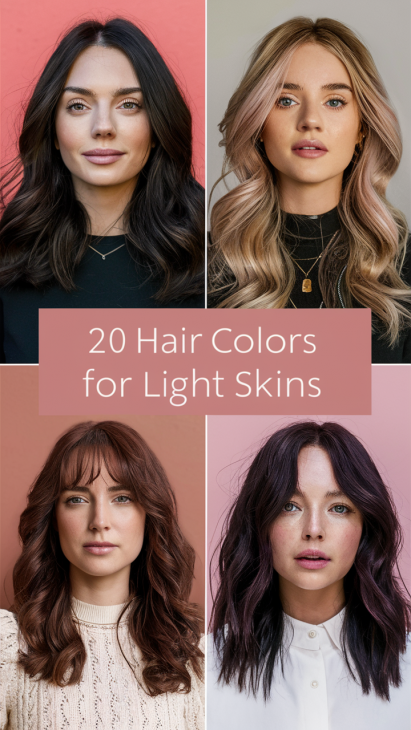
Search interest in hair color for light skin has surged in recent years, driven by social media tutorials and celebrity transformations. The right shade can enhance natural features, while a poor choice may create an unflattering contrast. Understanding your skin’s undertone is the first step to a flattering result. On a related note, Peach Hair Color: The Pastel Trend That Took Over Social Media adds useful context
How Hair Color Choices Impact Appearance and Confidence
For individuals with light skin, hair color dramatically alters the overall look. Because light skin has low melanin, the contrast between hair and skin is more pronounced. A well-chosen shade can brighten the face, while a mismatched one can wash it out. Many people report feeling more confident after finding a color that complements their complexion. Social media platforms like Instagram and TikTok are filled with before-and-after photos showcasing dramatic transformations. The psychological boost from a flattering hair color is often cited in beauty forums. However, the wrong choice can lead to regret and costly corrective treatments. This is why professional consultations are recommended, especially for first-time dyers. The impact extends beyond aesthetics; it influences how others perceive you in social and professional settings. Public records covering this story are gathered in Human hair color
The Origins of Hair Dye and Its Evolution for Light Skin
The history of hair dye dates back thousands of years. Ancient Egyptians used henna to create red tones, a practice that suited their skin tones but also influenced later trends for lighter complexions. In 1907, French chemist Eugène Schueller developed the first synthetic hair dye, which expanded color possibilities dramatically. By the 1930s, platinum blonde became a Hollywood sensation, popularized by actress Jean Harlow. This shade was particularly striking on light skin, creating a high-contrast glamour look. Over the decades, innovations like permanent dyes, bleach, and ammonia-free formulas gave people more control. The 2010s saw a rise in pastel colors like lavender and pink, which work well on light skin because they don’t overpower the complexion. Today, techniques like balayage and baby lights allow for subtle dimension, reducing the harsh line between natural and dyed hair. These developments have made it easier for people with light skin to experiment safely.
| Undertone | Recommended Hair Colors | Colors to Avoid |
|---|---|---|
| Cool (pink/blue veins) | Ash blonde, platinum, cool brown, burgundy | Golden blonde, copper, warm red |
| Warm (yellow/green veins) | Golden blonde, caramel, copper red, honey | Ash tones, platinum, cool brown |
| Neutral (mix of both) | Most shades, including strawberry blonde, bronde | Extremely warm or cool extremes |
Common Misconceptions About Hair Color for Light Skin
One widespread myth is that light skin can only pull off blonde shades. In reality, many dark colors like espresso or deep burgundy can look stunning if the undertone matches. Another misconception is that red hair is off-limits for fair skin. Natural redheads often have light skin and freckles, proving that copper and auburn can be very flattering. Some believe that pastel colors require bleaching to extreme levels, but modern semi-permanent dyes can achieve soft tints with less damage. There is also a fear that light skin makes hair damage more visible. While it’s true that bleaching can cause breakage, proper conditioning and professional application minimize risks. Additionally, some think that hair color for light skin must be high-contrast. Subtle shades like bronde or baby lights can add dimension without a stark difference. Finally, many assume that home dyeing is just as good as salon work. However, achieving the right tone for light skin often requires professional color correction to avoid brassiness or uneven results. Public records covering this story are gathered in 20 Dazzling Hair Colors for Pale Skin to Choose in 2026
Regional and Demographic Trends in Hair Color for Light Skin
Preferences for hair color vary by region and demographic. In North America and Europe, platinum blonde and balayage are perennial favorites among those with light skin. In East Asia, where light skin is common, trends lean toward ash brown and caramel highlights. The popularity of K-pop has boosted pastel and fantasy colors like lavender and mint among younger generations. In Australia and New Zealand, sun-kissed blonde tones are popular due to the outdoor lifestyle. Demographically, women aged 20-35 are the most experimental, often trying bold colors like rose gold or silver. Older adults with light skin tend to prefer natural-looking shades that cover gray without harsh contrast. Social media influencers have also created micro-trends, such as “strawberry blonde” in 2023, which combines pink and blonde tones. These regional differences highlight that hair color for light skin is not one-size-fits-all; cultural context and personal style play significant roles.
Frequently Asked Questions
When did synthetic hair dye become available for light skin?
Synthetic hair dye was invented in 1907 by Eugène Schueller, allowing people to achieve consistent colors. Before that, natural dyes like henna were used. The new dyes expanded options for light skin, enabling shades like platinum blonde that became iconic in the 1930s.
How many people naturally have red hair and light skin?
Red hair occurs naturally in about 1-2% of the global population, most commonly in people of Northern European descent. These individuals often have very light skin and freckles, making red a classic example of a hair color that complements fair complexions.
What is the best way to determine your skin undertone for hair color?
Look at the veins on your wrist in natural light. Blue or purple veins indicate cool undertones, green veins suggest warm undertones, and a mix means neutral. This simple test helps you choose between ash or golden shades for a flattering result.
Is platinum blonde still a popular choice for light skin in 2024?
Yes, platinum blonde remains a staple for light skin, especially among those seeking a bold, high-fashion look. However, many now opt for softer versions like baby lights or root smudging to reduce maintenance and damage, keeping the trend alive with modern twists.
What is the impact of hair color on light skin’s perceived health?
A well-chosen hair color can make light skin appear brighter and more radiant. Conversely, a shade that clashes can emphasize redness or sallowness. Proper maintenance, including toning and conditioning, ensures the color stays vibrant and the skin looks healthy.
How to Choose the Right Shade Based on Eye Color and Natural Hair
Your eye color and natural hair shade provide additional clues for selecting a flattering hair color. For light skin with blue or gray eyes, cool tones like ash blonde or icy platinum create a harmonious look. Green or hazel eyes pair beautifully with warm shades such as copper or golden brown, as the warmth brings out the flecks in the iris. Brown eyes are versatile and can handle both warm and cool tones, but neutral shades like bronde or mushroom brown often work best. Your natural hair color also matters. If you have naturally blonde hair, transitioning to a darker shade may require less maintenance than going from dark brown to platinum. Those with natural red undertones can enhance them with strawberry blonde or auburn. Consulting a color wheel can help you understand complementary colors. For example, purple-based tones neutralize yellow undertones in the skin, while golden tones add warmth to a pale complexion. Ultimately, the goal is to create balance and enhance your natural features.
Maintenance Tips for Hair Color on Light Skin
Maintaining hair color on light skin requires a consistent routine to keep the shade vibrant and the skin looking fresh. Color-treated hair needs sulfate-free shampoos to prevent fading. Purple shampoo is essential for blonde or silver tones to combat brassiness. Deep conditioning treatments once a week help repair damage from bleaching. Sun exposure can lighten hair color unevenly, so wearing a hat or using UV-protectant sprays is advisable. Touch-ups every four to six weeks are typical for roots, especially with high-contrast colors like platinum. For pastel or fantasy colors, reapplication every few weeks may be necessary as they fade quickly. Professional toning sessions can correct unwanted warmth. Additionally, avoid washing hair daily to preserve color and natural oils. Dry shampoo can extend time between washes. For light skin, maintaining a clear complexion also matters; using a gentle exfoliator can prevent product buildup on the skin that might dull your glow. A good maintenance routine ensures your hair color remains a confidence booster rather than a burden.
Seasonal Considerations for Hair Color on Light Skin
Seasonal changes can influence which hair color looks best on light skin. In winter, when skin tends to be paler, cooler tones like ash blonde or cool brown can complement the lack of warmth. Summer often brings a slight tan or rosy flush, making warm shades like honey blonde or caramel more flattering. Many people adjust their hair color seasonally, a practice known as seasonal color shifting. For example, a client might go lighter in summer to mimic sun-kissed highlights and darker in winter for a richer contrast. Pastel colors like lavender or mint are particularly popular in spring. Autumn calls for deeper warm tones like auburn or mahogany. The key is to consider how your skin tone changes with sun exposure. If you tan easily, you can experiment with warmer shades. If you burn or stay very pale, cool tones may be safer. Seasonal adjustments also allow for less commitment; you can try a temporary color for a few months without long-term damage. This approach keeps your look fresh and aligned with the natural light of each season.
Professional vs. At-Home Hair Color for Light Skin
Deciding between professional salon services and at-home dye kits depends on your budget, skill level, and desired result. For light skin, achieving the right tone is critical because mistakes are more visible. Professional colorists can assess your skin undertone, hair porosity, and current color to mix a custom shade. They also use high-quality products that minimize damage. Techniques like balayage, foiling, or color melting require expertise to avoid harsh lines. At-home kits are cheaper and convenient for simple all-over color or root touch-ups. However, they often come with limited shade options and can result in uneven color or brassiness. For drastic changes like going from dark to platinum, a salon is strongly recommended to prevent breakage. Semi-permanent dyes are safer for home use and allow experimentation without commitment. Patch tests are essential to check for allergic reactions. Ultimately, if you are new to coloring or want a complex look, invest in a professional. For experienced users, at-home coloring can be successful with careful application and proper aftercare.
Psychological and Social Effects of Hair Color on Light Skin
Changing hair color can have profound psychological and social effects, especially for those with light skin. A flattering shade often boosts self-esteem and can lead to more positive social interactions. Studies in color psychology suggest that hair color influences perceptions of personality. For example, blonde is often associated with fun and approachability, while red is seen as passionate and bold. Darker shades can convey sophistication and seriousness. For light skin, a dramatic change like going from brunette to platinum can feel like a reinvention. Social media amplifies this effect, with users sharing transformations and receiving validation through likes and comments. However, negative reactions can occur, especially if the color clashes with the skin. Some people report feeling self-conscious if the shade doesn’t suit them. It’s important to choose a color that aligns with your personal style rather than trends. The social impact also varies by culture; in some workplaces, unconventional colors may be frowned upon. Overall, the right hair color can be a powerful tool for self-expression and confidence.
How to Choose the Right Shade Based on Eye Color and Natural Hair
Your eye color and natural hair shade provide additional clues for selecting a flattering hair color. For light skin with blue or gray eyes, cool tones like ash blonde or icy platinum create a harmonious look. Green or hazel eyes pair beautifully with warm shades such as copper or golden brown, as the warmth brings out the flecks in the iris. Brown eyes are versatile and can handle both warm and cool tones, but neutral shades like bronde or mushroom brown often work best. Your natural hair color also matters. If you have naturally blonde hair, transitioning to a darker shade may require less maintenance than going from dark brown to platinum. Those with natural red undertones can enhance them with strawberry blonde or auburn. Consulting a color wheel can help you understand complementary colors. For example, purple-based tones neutralize yellow undertones in the skin, while golden tones add warmth to a pale complexion. Ultimately, the goal is to create balance and enhance your natural features.
Maintenance Tips for Hair Color on Light Skin
Maintaining hair color on light skin requires a consistent routine to keep the shade vibrant and the skin looking fresh. Color-treated hair needs sulfate-free shampoos to prevent fading. Purple shampoo is essential for blonde or silver tones to combat brassiness. Deep conditioning treatments once a week help repair damage from bleaching. Sun exposure can lighten hair color unevenly, so wearing a hat or using UV-protectant sprays is advisable. Touch-ups every four to six weeks are typical for roots, especially with high-contrast colors like platinum. For pastel or fantasy colors, reapplication every few weeks may be necessary as they fade quickly. Professional toning sessions can correct unwanted warmth. Additionally, avoid washing hair daily to preserve color and natural oils. Dry shampoo can extend time between washes. For light skin, maintaining a clear complexion also matters; using a gentle exfoliator can prevent product buildup on the skin that might dull your glow. A good maintenance routine ensures your hair color remains a confidence booster rather than a burden.
Seasonal Considerations for Hair Color on Light Skin
Seasonal changes can influence which hair color looks best on light skin. In winter, when skin tends to be paler, cooler tones like ash blonde or cool brown can complement the lack of warmth. Summer often brings a slight tan or rosy flush, making warm shades like honey blonde or caramel more flattering. Many people adjust their hair color seasonally, a practice known as seasonal color shifting. For example, a client might go lighter in summer to mimic sun-kissed highlights and darker in winter for a richer contrast. Pastel colors like lavender or mint are particularly popular in spring. Autumn calls for deeper warm tones like auburn or mahogany. The key is to consider how your skin tone changes with sun exposure. If you tan easily, you can experiment with warmer shades. If you burn or stay very pale, cool tones may be safer. Seasonal adjustments also allow for less commitment; you can try a temporary color for a few months without long-term damage. This approach keeps your look fresh and aligned with the natural light of each season.
Professional vs. At-Home Hair Color for Light Skin
Deciding between professional salon services and at-home dye kits depends on your budget, skill level, and desired result. For light skin, achieving the right tone is critical because mistakes are more visible. Professional colorists can assess your skin undertone, hair porosity, and current color to mix a custom shade. They also use high-quality products that minimize damage. Techniques like balayage, foiling, or color melting require expertise to avoid harsh lines. At-home kits are cheaper and convenient for simple all-over color or root touch-ups. However, they often come with limited shade options and can result in uneven color or brassiness. For drastic changes like going from dark to platinum, a salon is strongly recommended to prevent breakage. Semi-permanent dyes are safer for home use and allow experimentation without commitment. Patch tests are essential to check for allergic reactions. Ultimately, if you are new to coloring or want a complex look, invest in a professional. For experienced users, at-home coloring can be successful with careful application and proper aftercare.
Psychological and Social Effects of Hair Color on Light Skin
Changing hair color can have profound psychological and social effects, especially for those with light skin. A flattering shade often boosts self-esteem and can lead to more positive social interactions. Studies in color psychology suggest that hair color influences perceptions of personality. For example, blonde is often associated with fun and approachability, while red is seen as passionate and bold. Darker shades can convey sophistication and seriousness. For light skin, a dramatic change like going from brunette to platinum can feel like a reinvention. Social media amplifies this effect, with users sharing transformations and receiving validation through likes and comments. However, negative reactions can occur, especially if the color clashes with the skin. Some people report feeling self-conscious if the shade doesn’t suit them. It’s important to choose a color that aligns with your personal style rather than trends. The social impact also varies by culture; in some workplaces, unconventional colors may be frowned upon. Overall, the right hair color can be a powerful tool for self-expression and confidence.